
Thoughts on the generational change
The computer science department looks back on the year 2022.
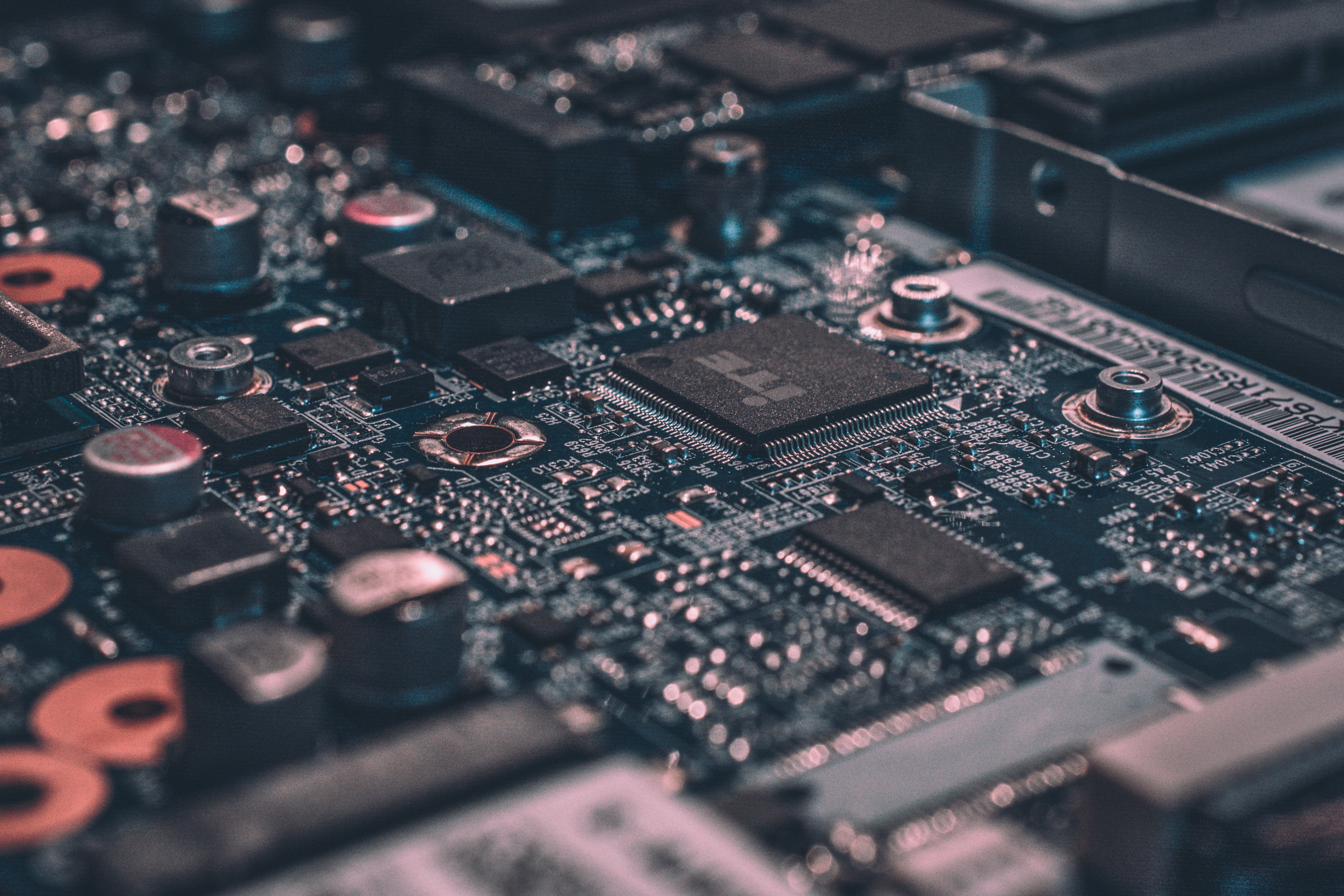
A big thank you and best wishes for retirement to Professors Böhm, Spangenberg, and Wagenknecht, and a warm welcome to acting professors Ullrich, Scheder, and Bartusiak
Digitalization, artificial intelligence, and the knowledge society are buzzwords on everyone’s lips and, in addition to their widespread media presence, now affect all industries and areas of life. They are inextricably linked to innovation, progress, and efficiency, as well as hopes for their usefulness in solving the most difficult problems of global significance—such as those related to energy, resource conservation, and climate protection—since digitalization promises the urgently needed decoupling of prosperity and growth from ever-increasing energy and resource consumption: Green technologies are digital, too!
Computer science and IT technologies are thus a source of hope for several generations and offer an attractive field of activity with real impact for a young generation that does not accept the status quo and wants—and indeed must—actively take the future into its own hands and shape it itself. Computer science is a key driver of transformation thanks to ever-evolving technologies, but it also enables the implementation of important and necessary transformation processes like few other disciplines can. In particular, it opens up a wide range of opportunities for individuals to shape transformation and change. Modern technologies such as cloud computing, for example, make it possible even for small teams to develop and operate digital services and infrastructures for potentially millions of users—intelligent solutions for today’s society—and tomorrow’s. The old image of the lone programmer has become obsolete—it’s now about creativity, collaboration within teams and with clients, and, increasingly, the responsible consideration of social standards and values in the design of software solutions and digital services.
This new, multifaceted, and transformative field of computer science is also enjoying immense popularity as a field of study and, according to a recent Statista survey, currently ranks second among the most popular degree programmes, behind business administration—and the trend is on the rise, especially here in Upper Lusatia!
Since its founding, —that is, for over 30 years now—has offered the study of computer science in its various facets—initially as a Diplom degree programme, later as Bachelor’s and master’s degrees in computer science, and finally in combination with specializations and other disciplines, such as the degree programme in Economics and Computer Science. This means you can even combine these two top fields of study if you wish! At our university, we’ve always made a point of offering a broad computer science education under the umbrella of “General Computer Science.” After all, especially at the beginning of one’s studies, students want to remain flexible and first get to know the various facets of the field. This approach has proven successful—computer science graduates from the Zittau/Görlitz University of Applied Sciences are comprehensively trained and have been working very successfully in the region’s IT industry and beyond for decades!
Now, it’s easy to talk (or write) about the benefits of the discipline, transformative processes, and intelligent IT solutions—but it’s much harder to actually develop these solutions and to inspire and empower people to do so! This is precisely what our colleagues Böhm, Spangenberg, and Wagenknecht have achieved over the decades through their continuous and comprehensive dedication and the expertise they’ve brought to teaching and research—first for the Department of Computer Science and later for the Faculty of Electrical Engineering and Computer Science at our university: To guide young people on their journey from school and high school toward becoming professional IT specialists; to provide them with the necessary tools in the IT context—in all their breadth and depth—while continually taking into account the ongoing change and progress within the discipline itself; and to share them—all while instilling in young students their own motivation and joy in the subject, the technologies, and the possibilities for their application.
The Department of Computer Science, the Faculty of Electrical Engineering and Computer Science, and the university owe our deepest gratitude and recognition to our colleagues who have entered well-deserved retirement for their many years of dedication to teaching and research. In particular, we wish our former colleagues continued joy in computer science and in everything that is interesting and important to them in this new chapter of their lives, and we extend our warmest regards to them here!
The baton has now been passed, for the time being, to the three acting professors: Dr. Markus Ullrich for the areas of hardware and technical computer science, Dr. Dominik Scheder for the areas of theoretical computer science, algorithms, and data structures, and Adam Bartusiak, M.Sc., for the areas of networks, distributed systems, and IT security. We warmly welcome our new colleagues and are delighted with the good collaboration we’ve already been experiencing for several months now! We are particularly pleased with the spirit of innovation, new content, and the breath of fresh air that such a generational shift brings to the entire field of computer science.
Thus, 2022 marked a new beginning for computer science at Zittau/Görlitz University of Applied Sciences following the COVID-19 years! We’re making progress, and we look forward to what lies ahead—the future generations of students we’re educating, international initiatives in research and teaching, collaboration with new research institutions in the region such as the German Center for Astrophysics and the Casus Institute, interesting joint projects, and a continued curiosity about the possibilities of computer science, the innovative solutions to problems that its application provides, and the joint implementation of the aforementioned transformations that computer science makes possible!
For 2023, we wish all the good luck to our current—and future—students, the faculty and university staff, our alumni, and, of course, everyone interested in and enthusiastic about computer science! It is our mission to use and further develop digital technologies in the best possible way to shape a positive and livable future!
First floor