One step closer to the Green Deal
The LaNDER³ kick-off on September 7 marked the start of the intensification phase of the Lausitz innovation network.
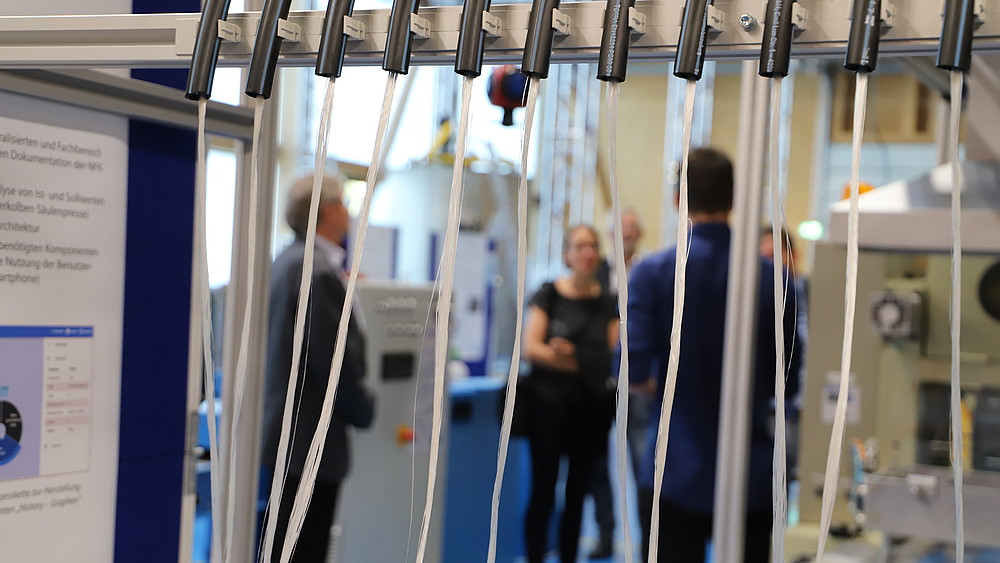
Is it possible to replace glass fibers with natural fibers in the production of widely used industrial plastics? Can waste heat be used in the drying of renewable raw materials? And can energy be recovered from 'brown broth' when squeezing natural fibers?
Living and producing at the industrial level of the 21st century with what nature has to offer - natural fibers, (bio)polymers, the circular economy and renewable energies - LaNDER³ is committed to this vision. The research portfolio of the Lausitz innovation network is very broad.
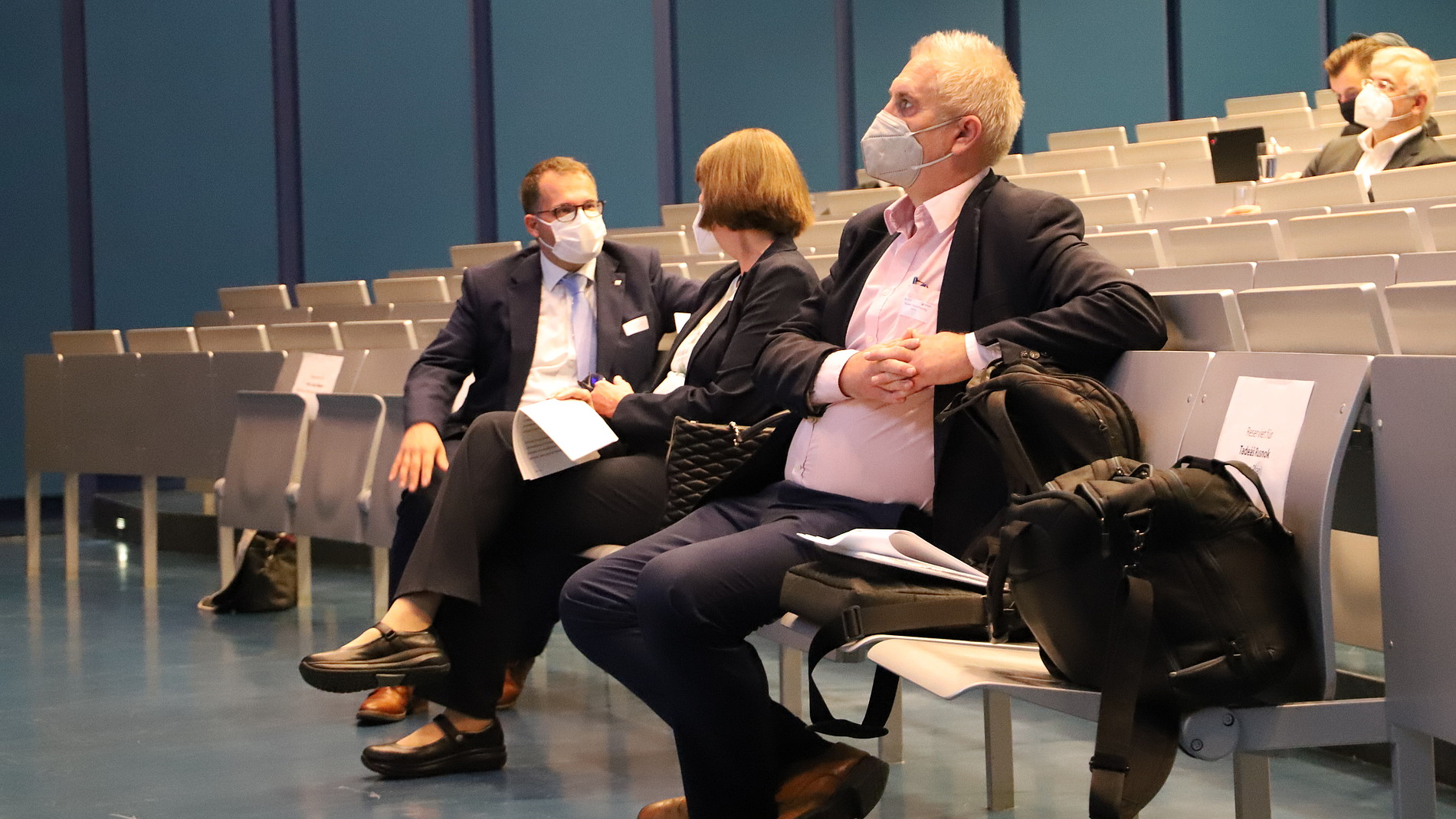
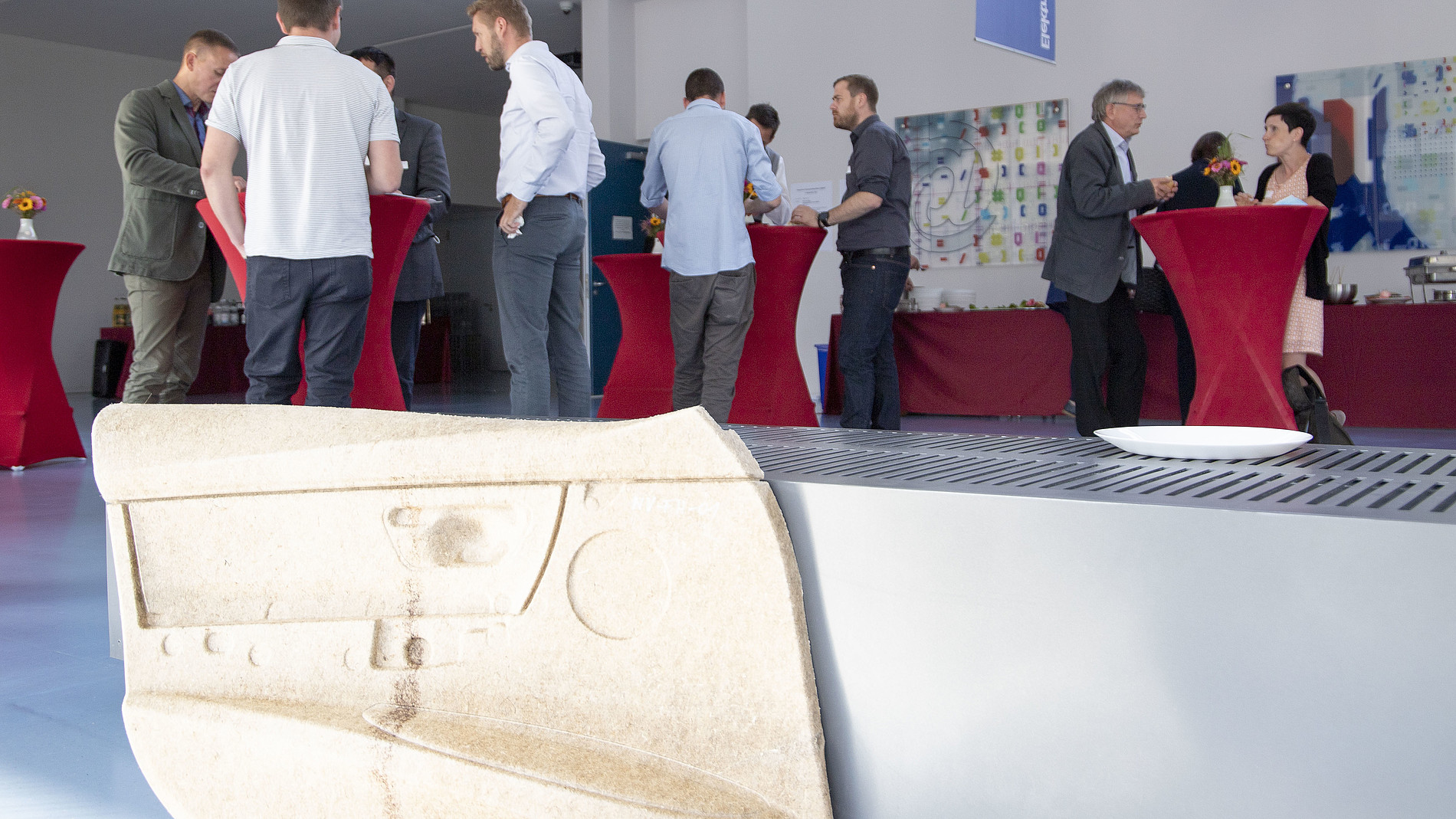
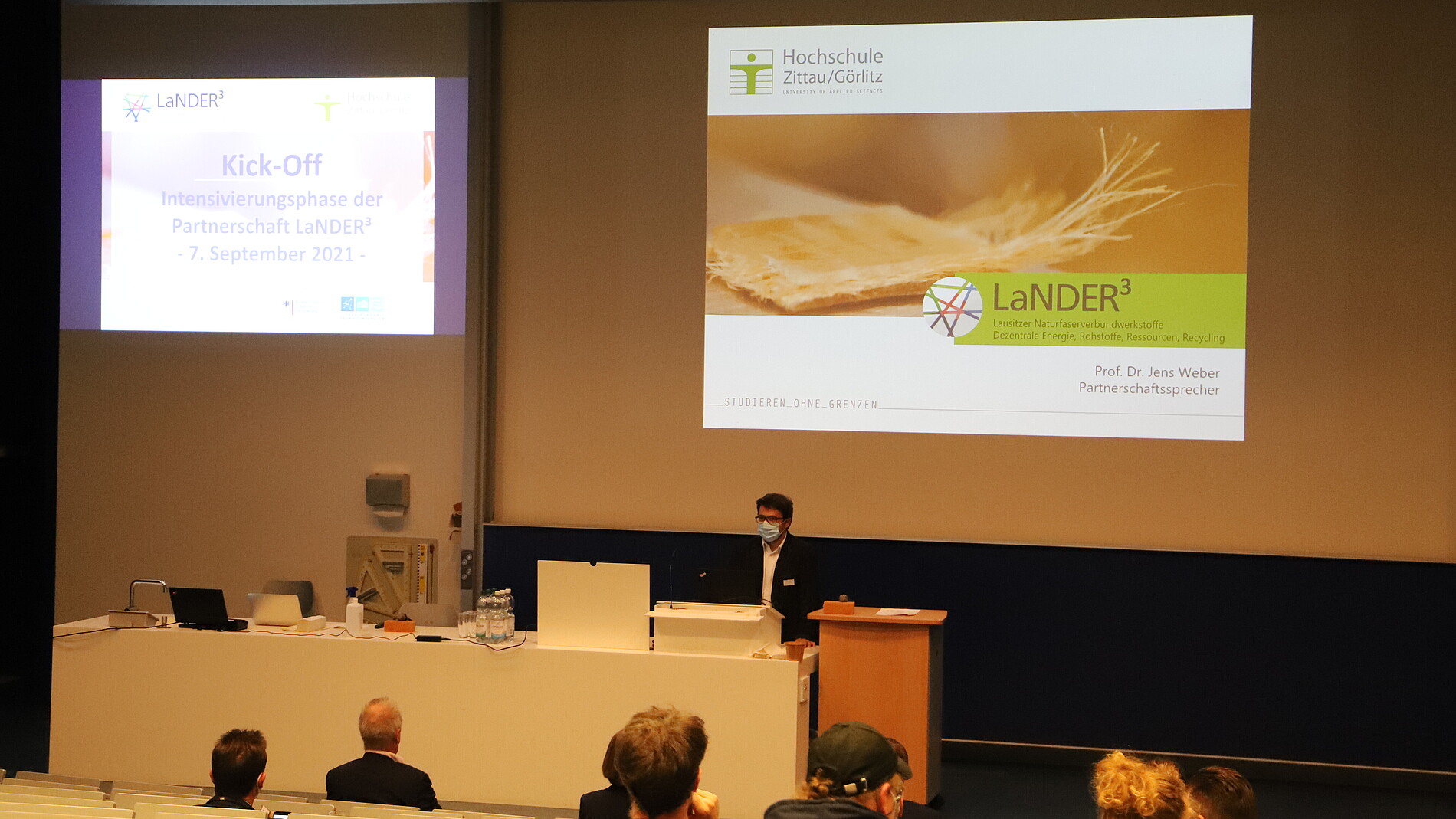
A kick-off event on September 7 marked the start of the second four-year funding phase of the BMBF-funded project. Together with their guests, the LaNDER³ project managers went through the mission, vision and goals of their partnership and gave an insight into the opportunities that their research will create for the region, for sustainability and for the structural change to be tackled during the so-called intensification phase.
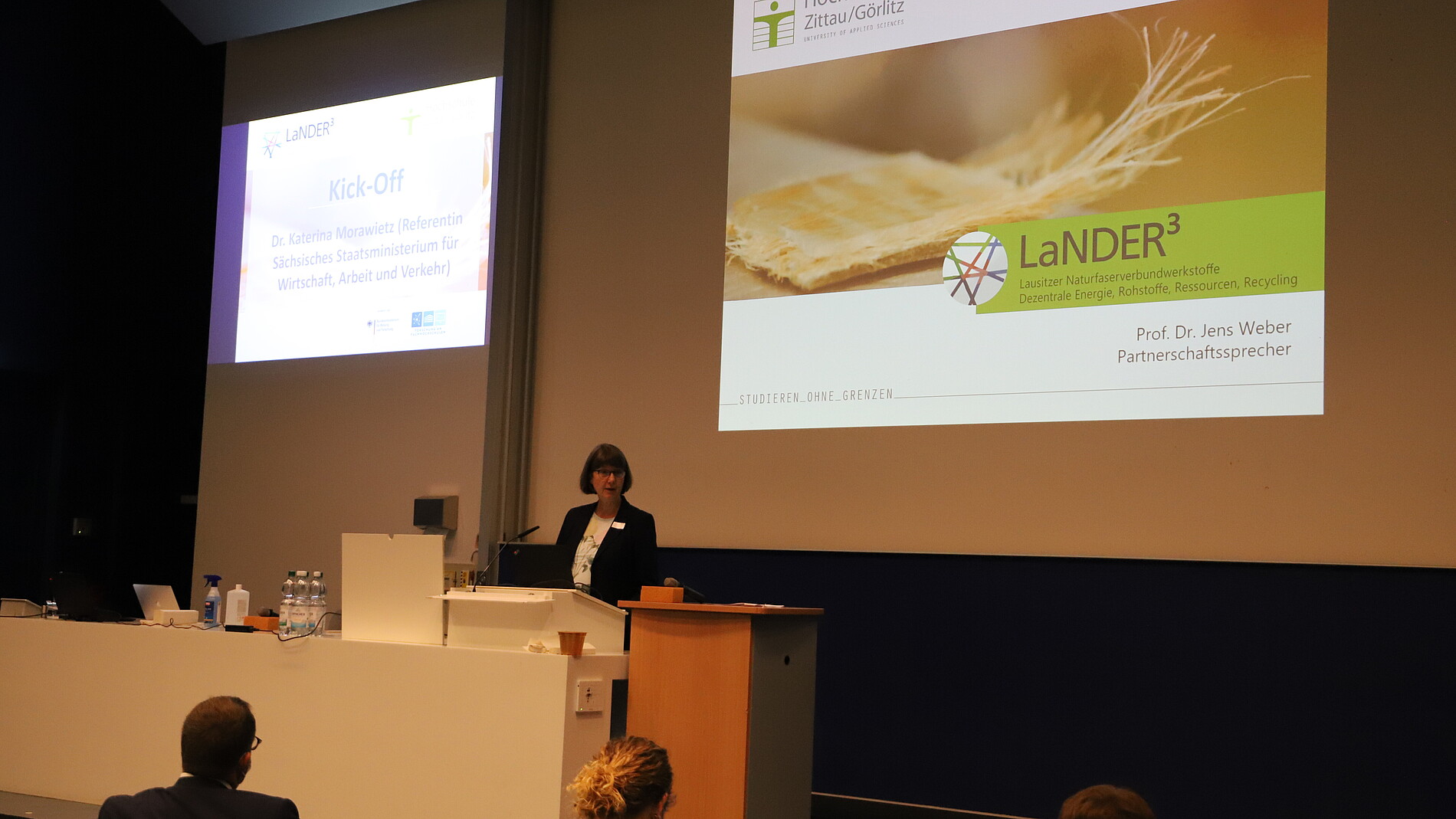
At the beginning of the event, LaNDER³ partnership spokesperson Prof. Dr. Jens Weber was delighted that bioeconomy topics have arrived in society and are clearly gaining relevance.
"When thinking about new product ideas, the 'end of life' of the product should already be considered during development. We must consistently consider the entire life cycle, i.e. the entire value chain from sustainable raw material extraction to the possibility of functioning recycling. This is what our future generations are demanding and this is exactly what we are contributing to with our research", emphasizes Prof. Dr. Jens Weber.
”It is also important to the project team to support this way of thinking in the minds of young people and thus indirectly promote "cultural change" in companies over the next few years.
A good network
LaNDER³ has used the first few years of the start-up phase to build up a new network and to anchor it and make it visible both locally and nationally. This is also the view of Dr. Katerina Morawietz, a representative of the Saxon State Ministry of Economic Affairs, Labour and Transport. In her welcoming address, she emphasized that LaNDER³ has developed extremely positively since its launch in 2017 and will prove to be a driver in tackling Saxony's major challenges in the areas of the environment, raw materials and energy. She expressed her conviction that promising technology transfer projects from LaNDER³ would also be included in future funding applications.
Cluster Manager Dr. Matthias Kinne is also convinced that LaNDER³ offers opportunities for the economy and society through technology transfer. In his presentation, he outlined new technical solutions and innovative products that LaNDER³ delivers as part of the European Green Deal and enthusiastically presented some of the spin-offs that have emerged from the network in the region. These range from an innovative roof access system for motor vehicles to novel harvesting technologies and decomposable plant pots.
What will follow in the next four years of the intensification phase?
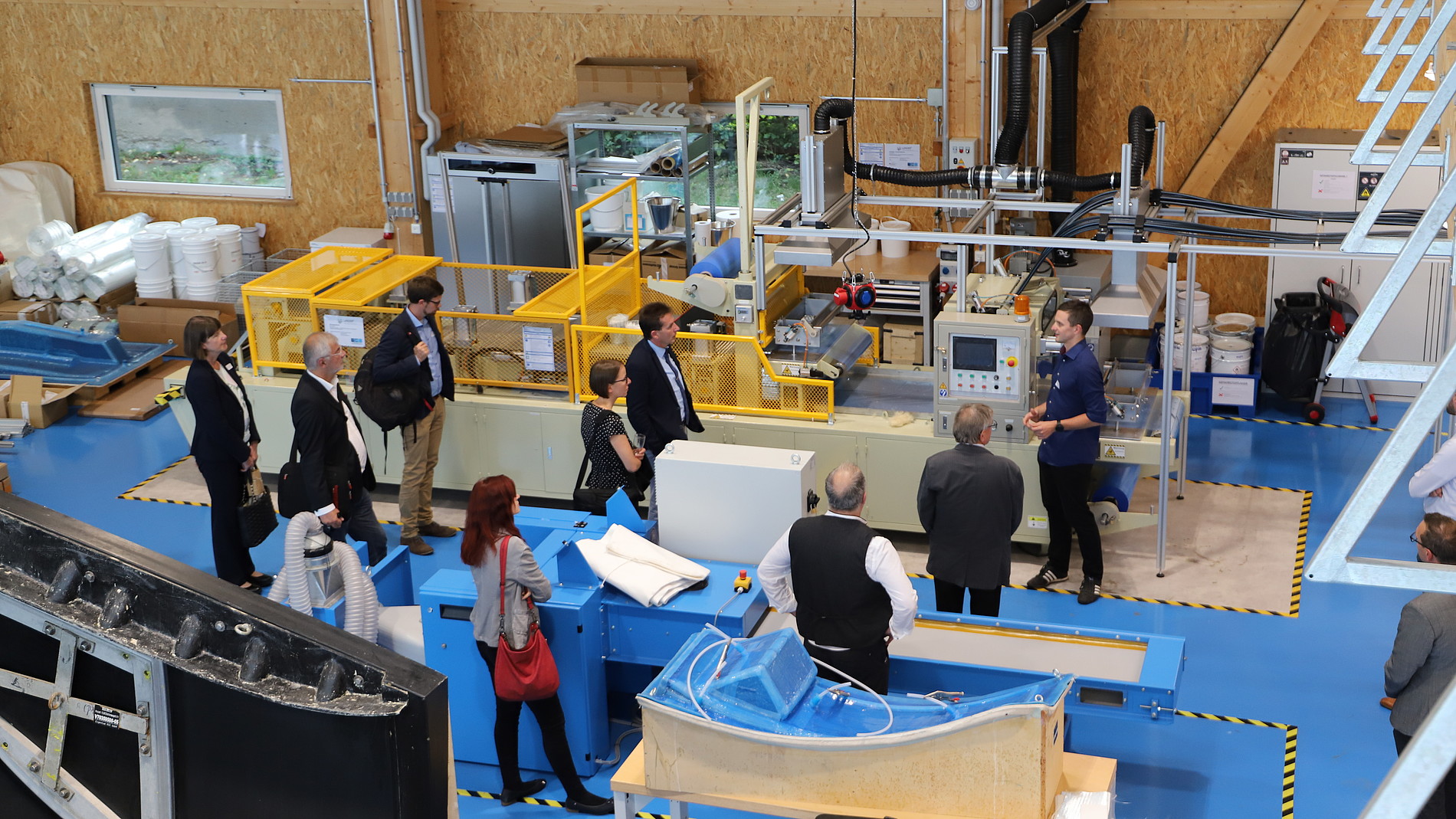
In addition to research into improved fiber removal processes, the use of additively manufactured tools or recycling formats such as opticycling, the focus will also be on developing technologies for completely biodegradable everyday and disposable products made from residual biomass, so-called consumables. "They have to be stable, oil- and water-resistant and meet a number of other requirements. This is exactly what we are researching, always with an eye on the overall balance," says Prof. Weber.
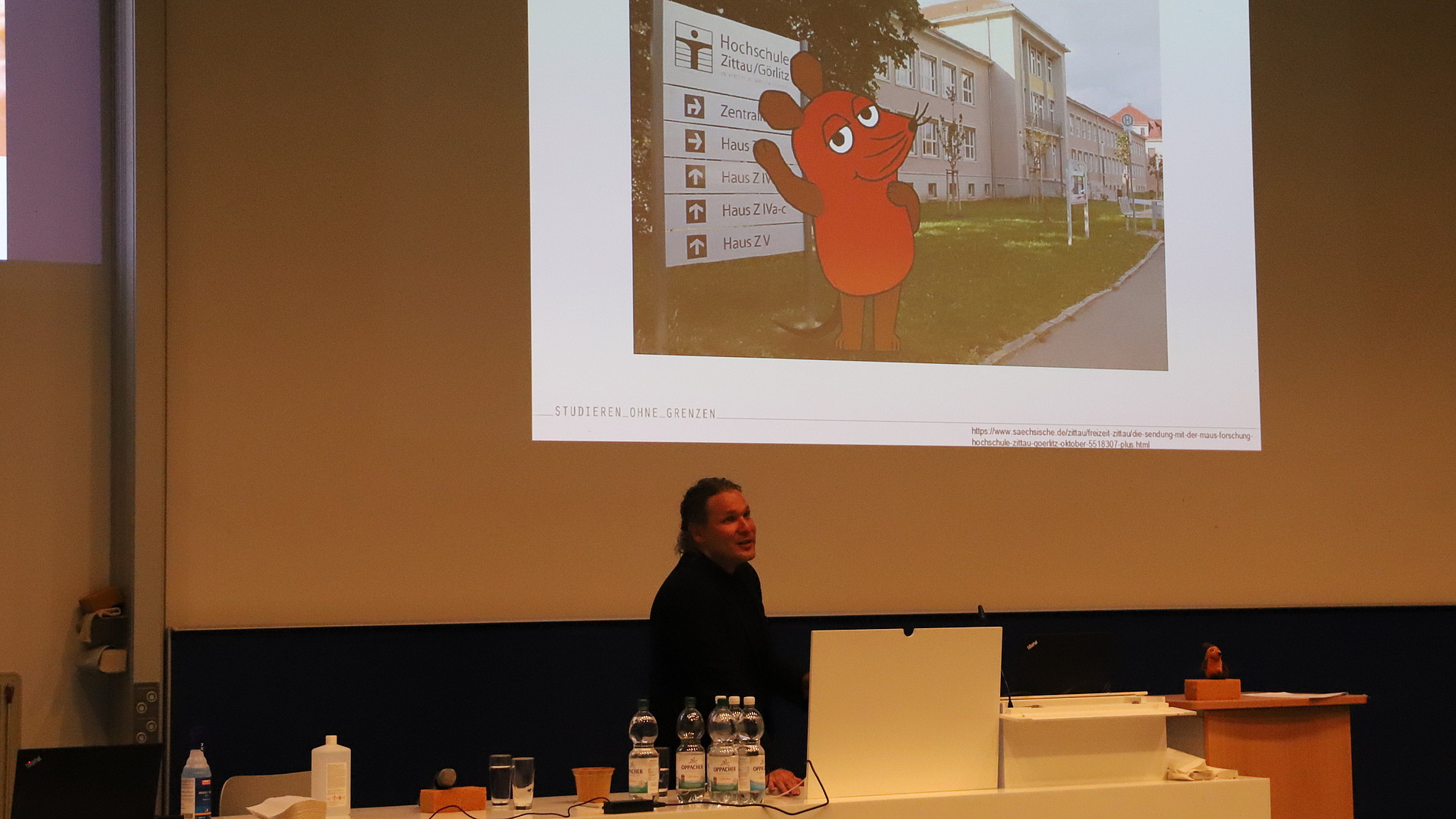
For now, the LaNDER³ team is looking forward to the upcoming TV shoot for "Die Sendung mit der Maus". The report "Materials made from natural fibers" received so many clicks in a vote on the website of the children's channel (KiKa) that a report and camera team from Westdeutscher Rundfunk (WDR) will be filming for the show at the end of September.
The factual story, adapted for children, will then probably be shown on October 3 on the children's channel (KiKa). "Then the little viewers will also learn more about LaNDER³," Prof. Dr. Jens Weber is certain.
The university is also participating in the nationwide event “Türen auf mit der Maus” (Open Doors with the Mouse). On October 3, 2021, children will have the opportunity to take a look behind the scenes at facilities that are normally off-limits to them.
Under the motto “Hello Future #mitderMaus, ” they’ll learn how it might be possible in the future to live and produce using what nature provides.
For example, they can examine various plants under a microscope and make natural-fiber plastics. They’ll also gain exciting insights into the topics of energy and the circular economy.
The “Maus” event day will take place from 10 a.m. to 4 p.m. in the student canteen on Hochwaldstraße and is primarily aimed at children between the ages of six and ten. Registration is available via email.
Through the FH-Impuls initiative—“Strong Universities of Applied Sciences—A Boost for the Region”—the BMBF is funding ten regional research and innovation partnerships across Germany for a period of eight years. LaNDER³ was the only successful applicant from Saxony and the new federal states.
First floor