
Alumni Reunion for the Master's in management of social change at the Kühlhaus
Alumni of the Master's program in the management of social change discuss current challenges at the second major meeting.
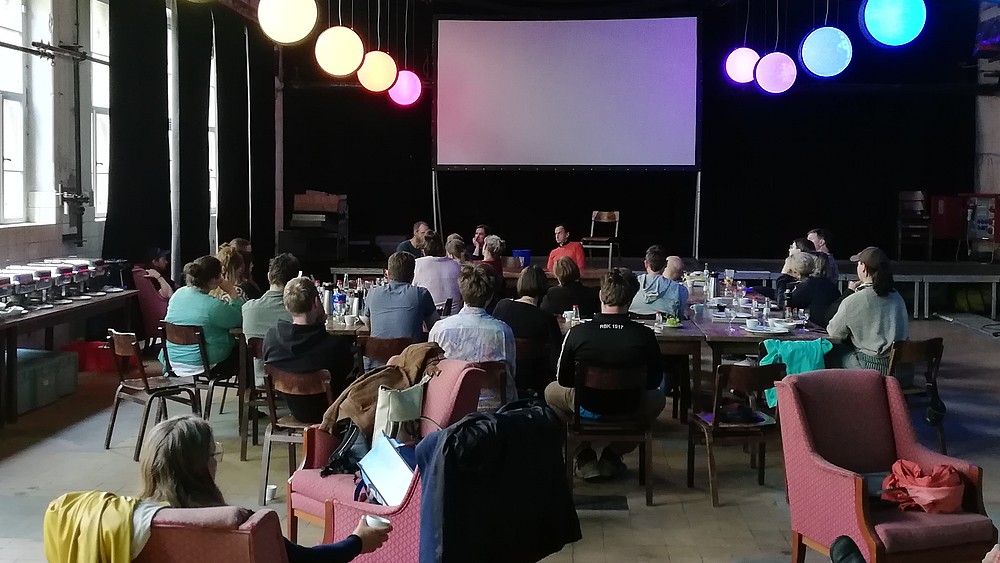
On May 31 and June 1, 2024, the second alumni reunion for the Master’s program in management of social change took place. After more than 10 years of the degree programme (first enrollment in 2011) and with over 150 graduates, this was a good opportunity to look back and look ahead to the coming years, with their challenges and opportunities. More than 50 alumni had registered, and the poor (severe weather) forecasts deterred only a few from making their way to the Kühlhaus in Görlitz.
So, what are you up to these days?
On Friday, we met at 3 p.m. for a casual get-together. The reunion offered a chance to see former classmates again—true to the spirit of: “So, what are you up to these days?” Over drinks, a game of table tennis, and in a laid-back atmosphere, lively conversations took place. For dinner, we could build our own burgers (vegetarian or not), which had been prepared by the Obermühle Görlitz.
To kick off the evening, Professor Dr. Raj Kollmorgen offered an inspiring reflection on the various modules of the degree programme. And, of course, he had a fitting book to go with each one—not a textbook, but a famous example of thinking outside the box. Everyone also received a reading recommendation or two. After dinner, Dr. Julia Gabler encouraged the alumni to approach empirical research with curiosity and a spirit of adventure toward different ways of life, illustrating this call to action with an excerpt from Donna Haraway’s “Staying Unquiet” on observable coexistence as a fundamental research attitude. The day then came to a cozy close with dancing, conversation, and laughter.

Time to tackle new challenges
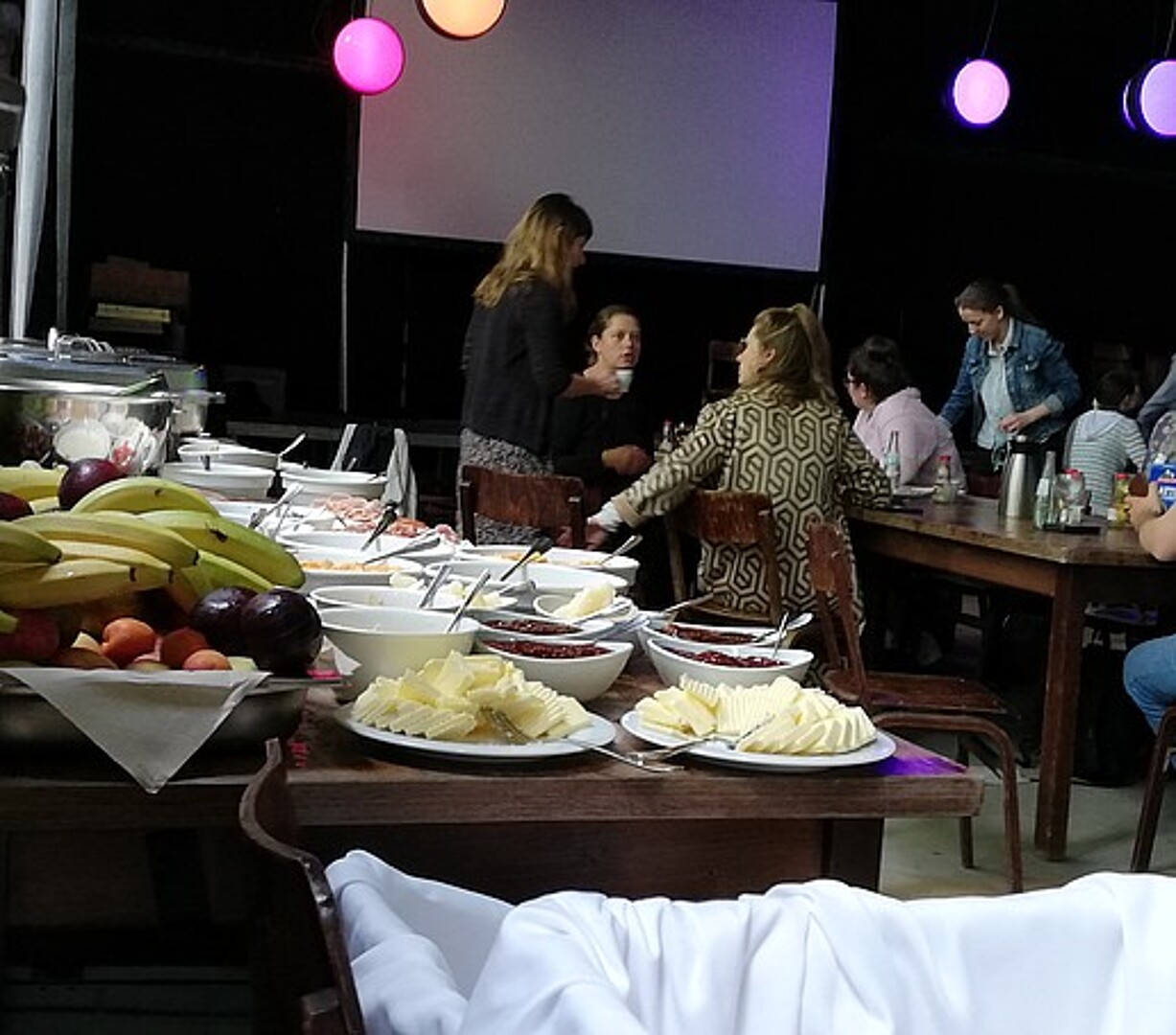
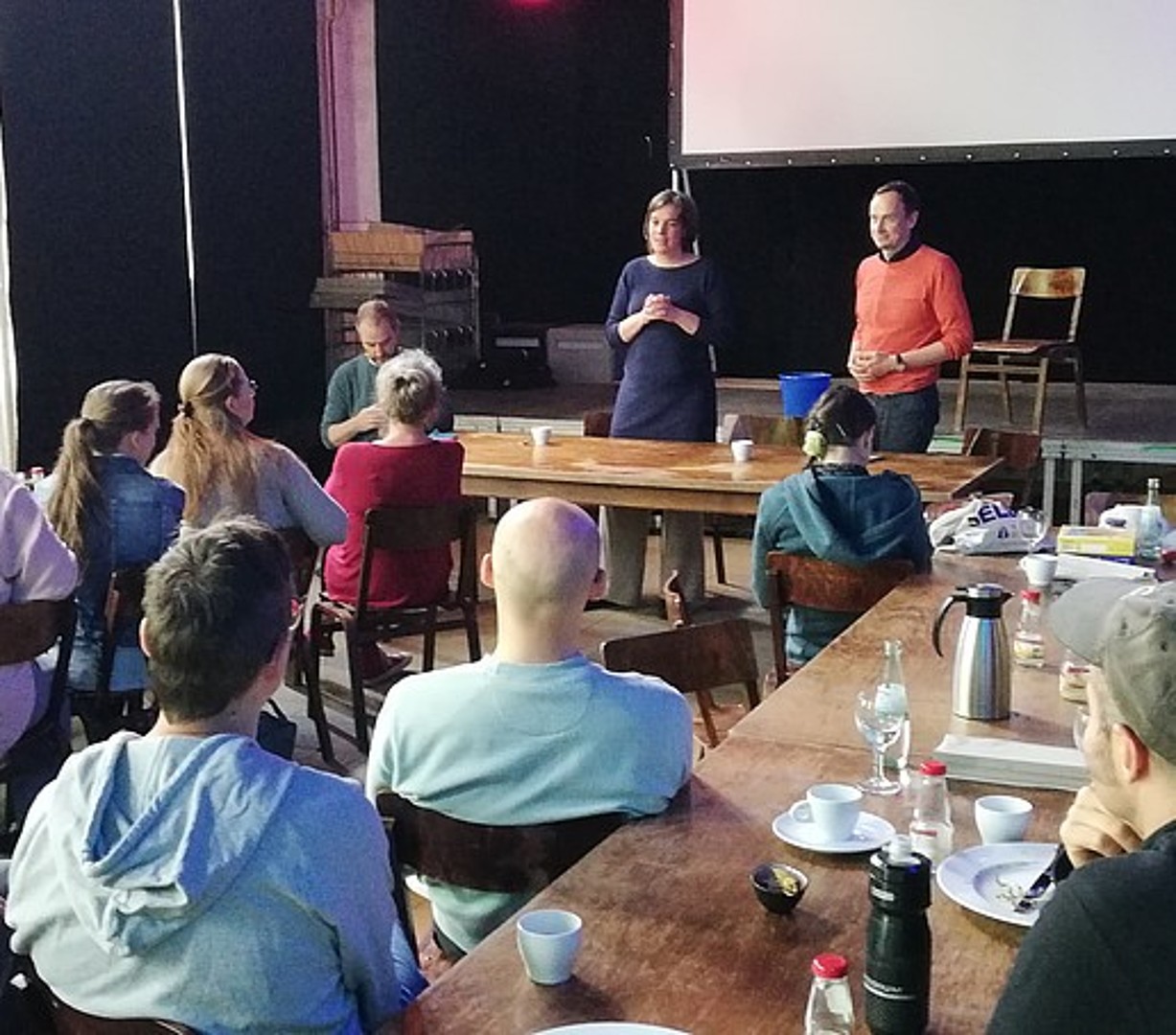
After an extensive brunch on Saturday, which left little to be desired in terms of culinary delights, Dr. Julia Gabler, Prof. Raj Kollmorgen and Dr. Andreas Otto invited guests to a discussion about opportunities and prospects with and about the German Centre for Astrophysics, which is currently being established as a major research center and science campus in Görlitz. How can the transformation in Lausitz succeed with the establishment of the center and the structural characteristics of Lusatia? What does it need? What does it not need? These and other questions led to a very lively and interesting discussion on Saturday morning and afternoon in a private round table with the alumni and those involved in the DZA (Raj Kollmorgen as a consultant in the development process of the DZA and Andreas Otto as a future employee in the Transformation Hub), whereby neither visions nor critical reflections on possible imponderables and pitfalls in the process were neglected. Many thanks for the successful exchange with 40 alumni and students, guests and questioners.
We would also like to take this opportunity to thank the organizing team of Hannes Weinhold, Bernadette Rohlf, Marko Schmidt, Julia Gabler, Conny Müller and Sandra Stibenz.
1st floor