
HighTech@HSZG meets Infineon Technologies
Infineon and HSZG are working together as partners for securing skilled workers and innovation to create new courses of study in the semiconductor sector.
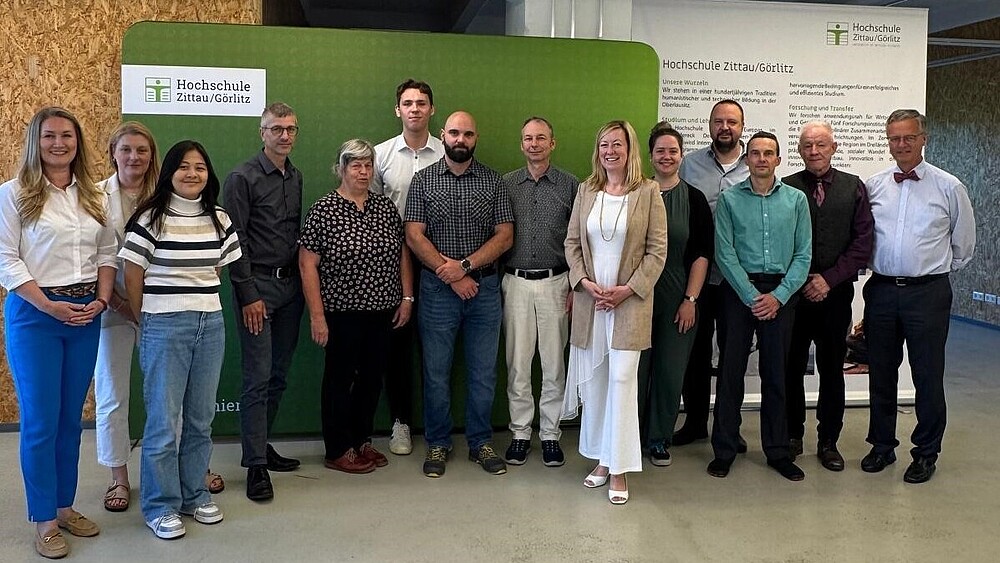
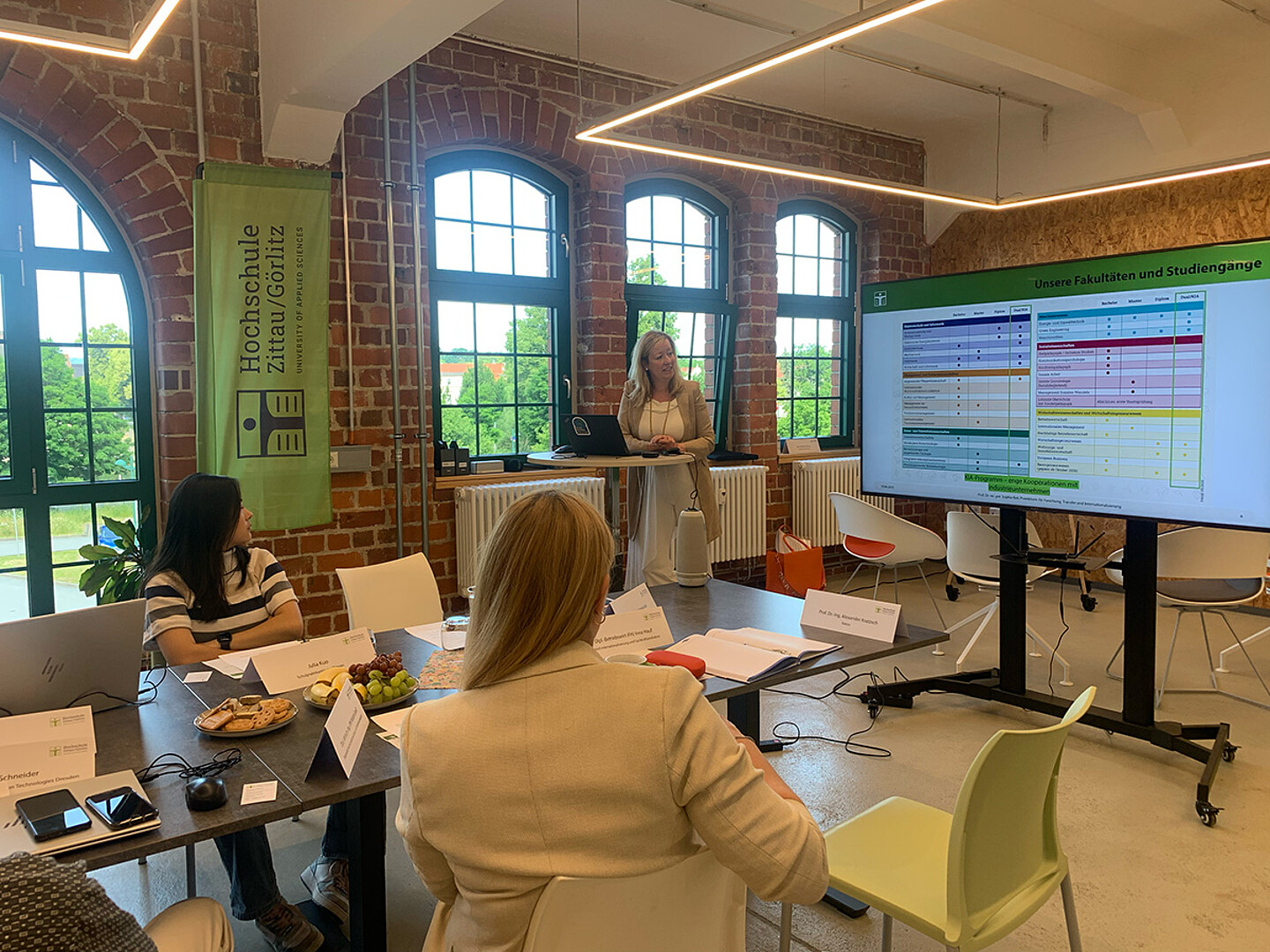
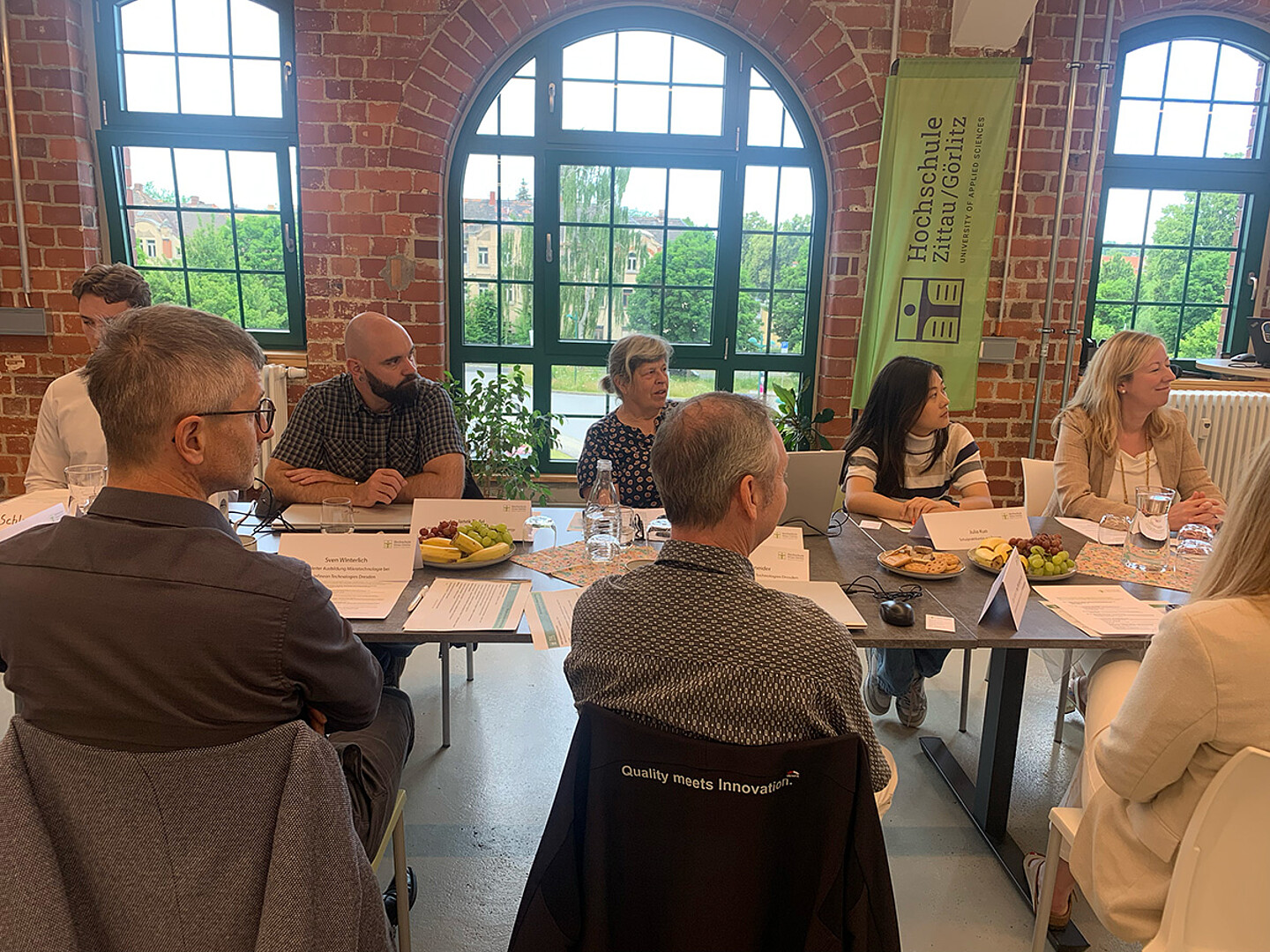
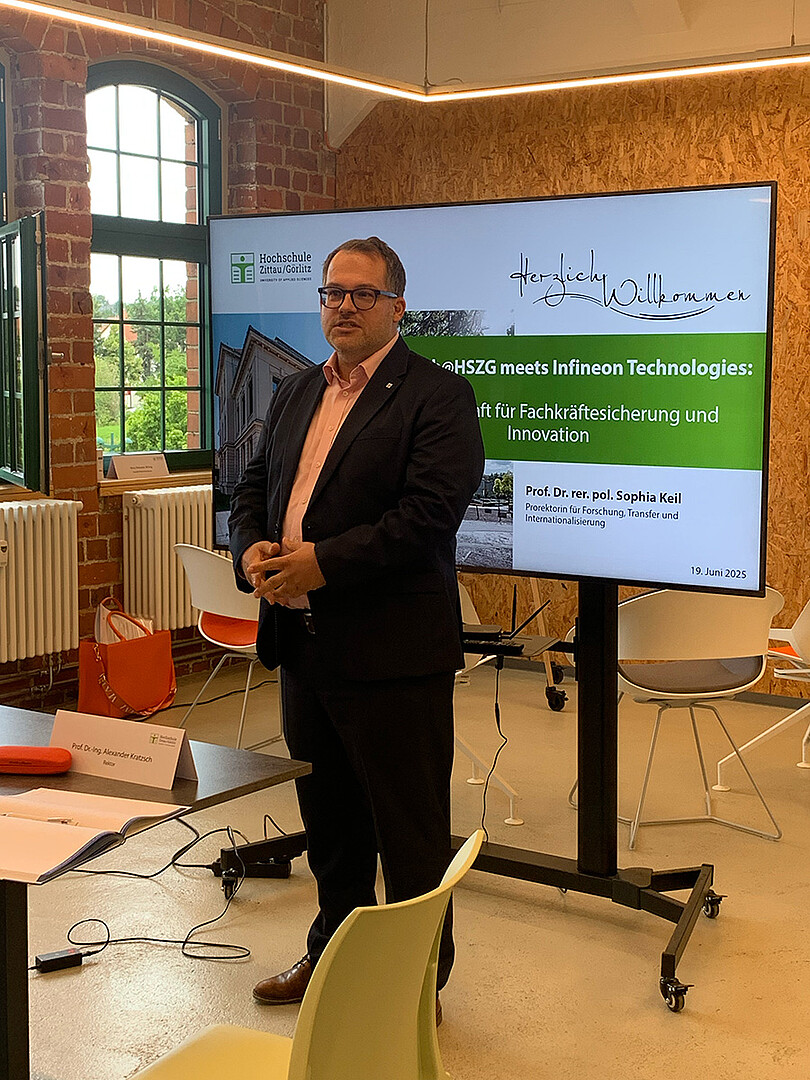
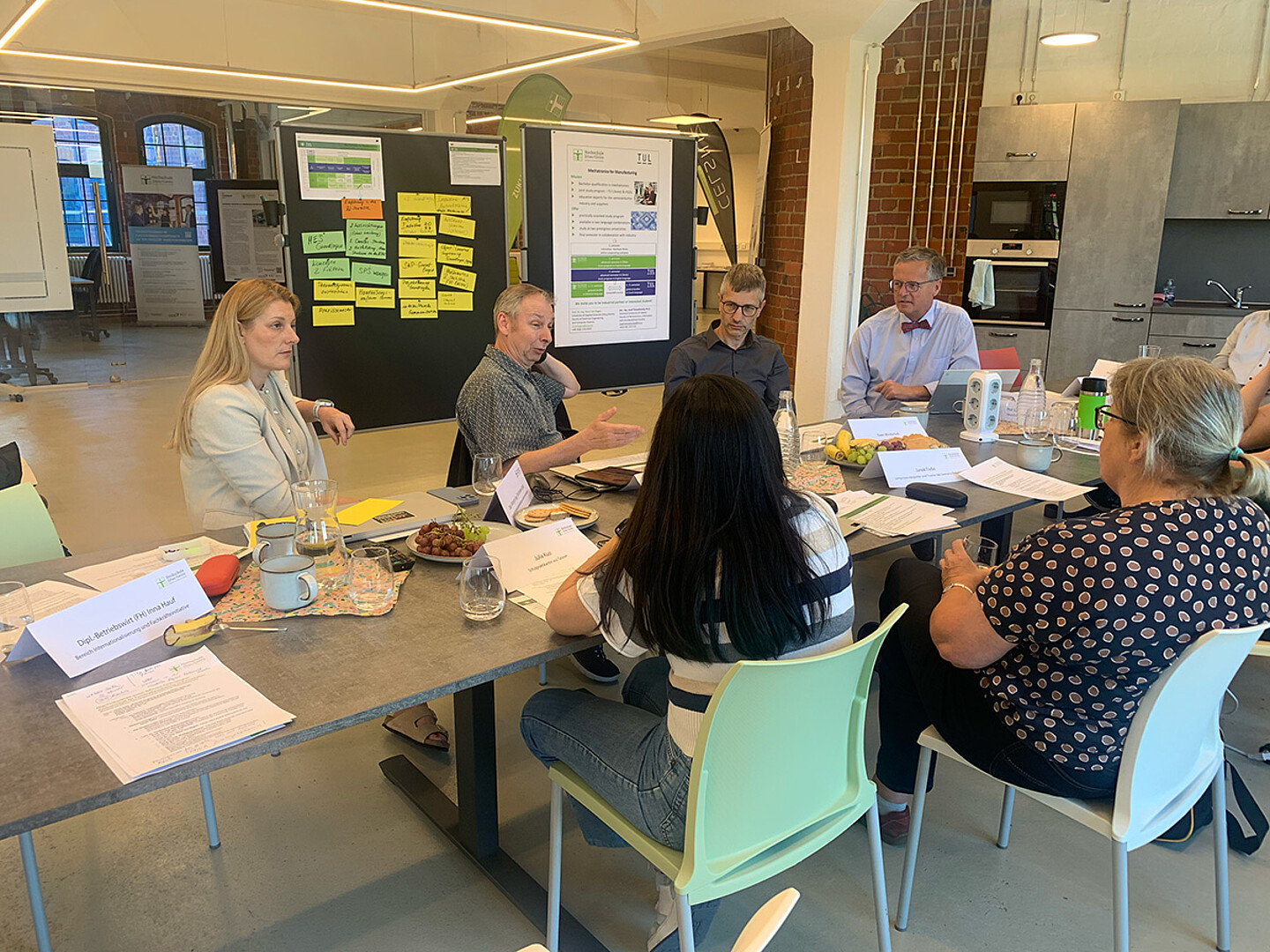
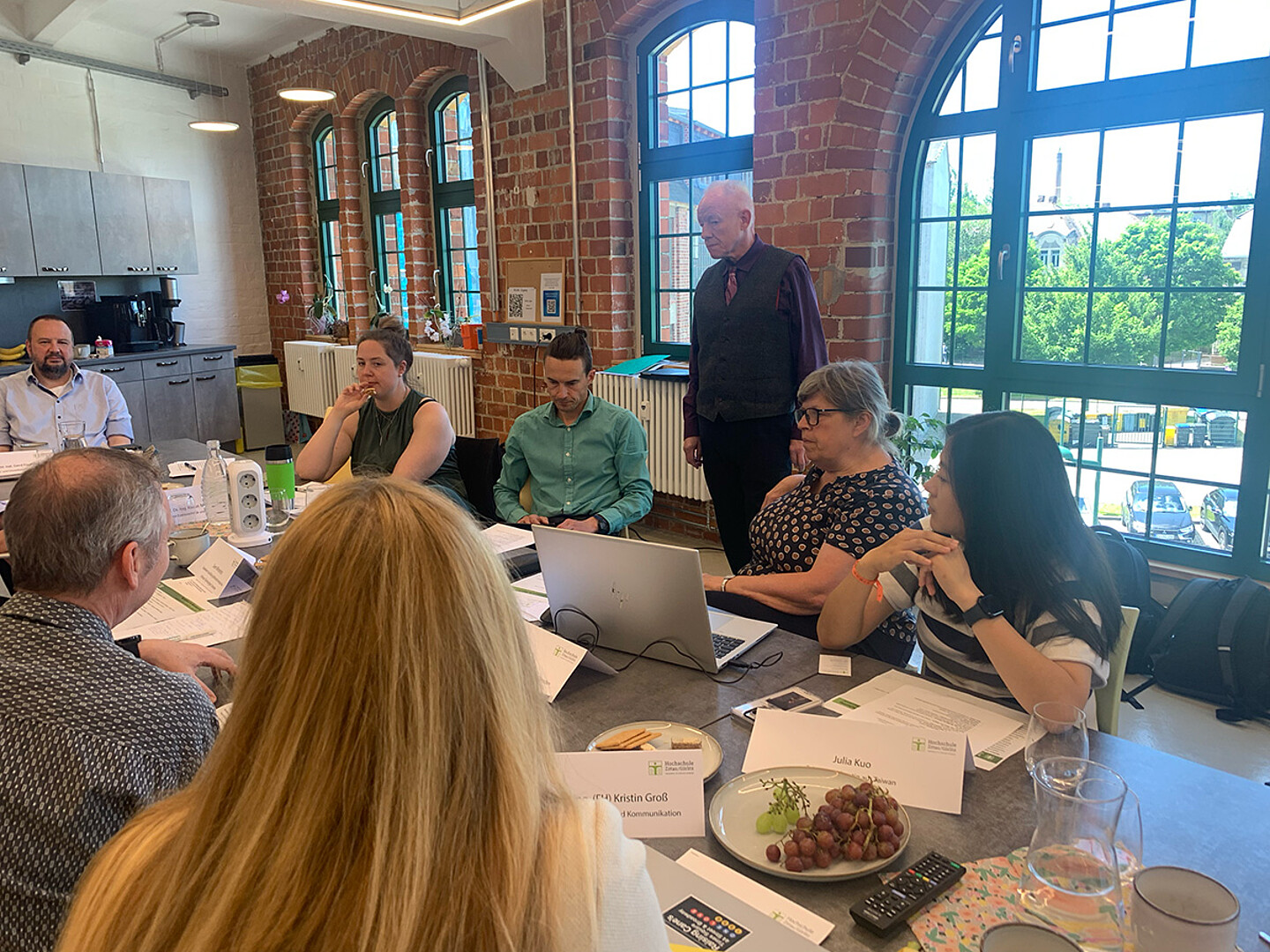
On June 19, 2025, Zittau/Görlitz University of Applied Sciences, under the leadership of Prof. Dr. Sophia Keil, Vice President for Research, Transfer, and International Affairs, invited representatives from Infineon in Dresden to the workshop “HighTech@HSZG meets Infineon Technologies: Partnership for Securing Skilled Workers and Innovation” at the Celsiuz Co-Creation Lab in Zittau.
The workshop followed up on the International Business Conference held on April 9, 2025, which addressed opportunities to increase the Upper Lusatia region’s appeal to the semiconductor industry, regional supply chain potential, and securing a skilled workforce. (Clickhere to watch the International Business Conference video.) This workshop specifically focused on the topic of securing skilled workers—in particular, the further development of dual study programs and the design of new degree programmes in the semiconductor sector.
Shaping the Future Through Tailored Degree Programs for the Industry
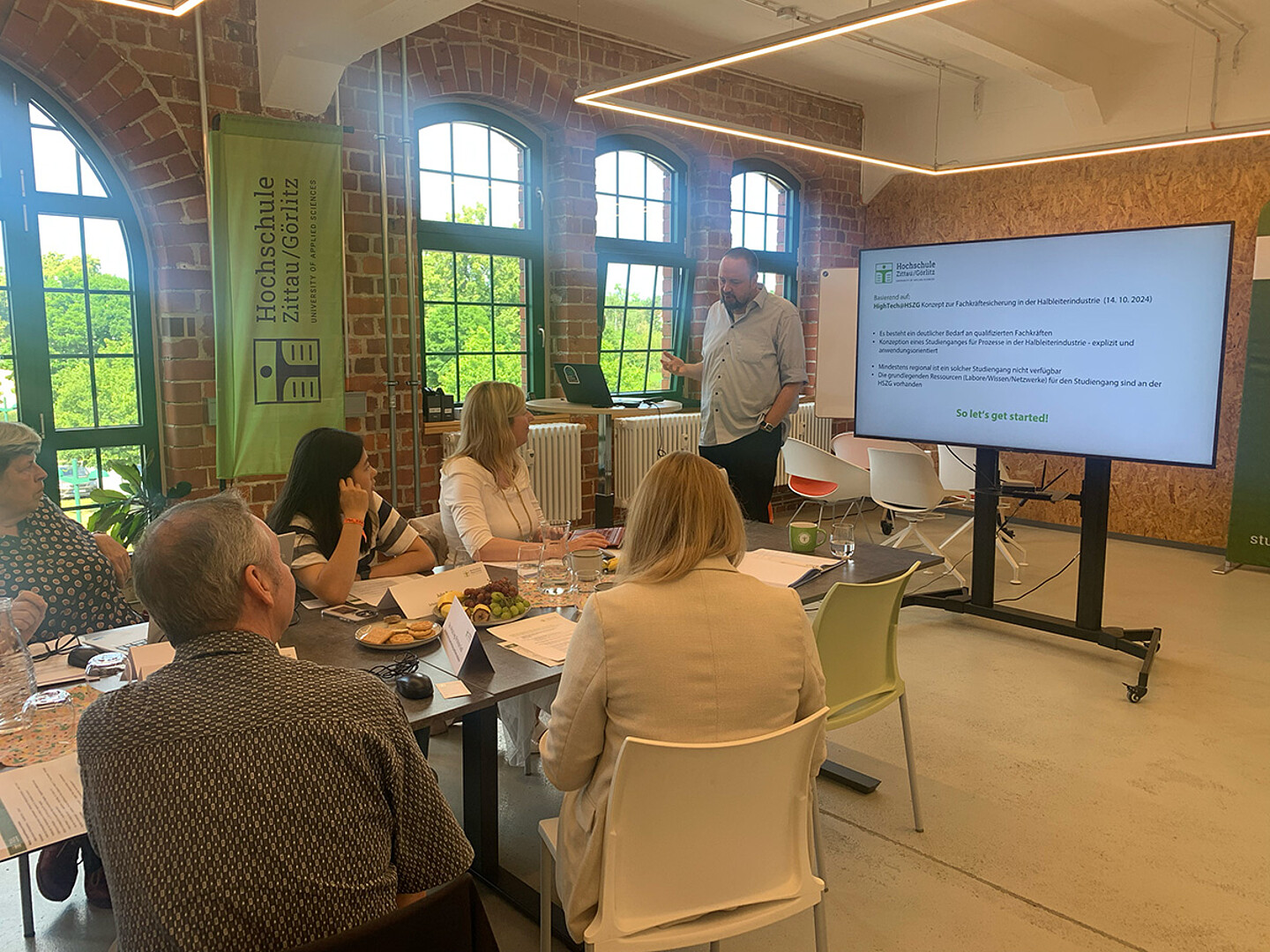
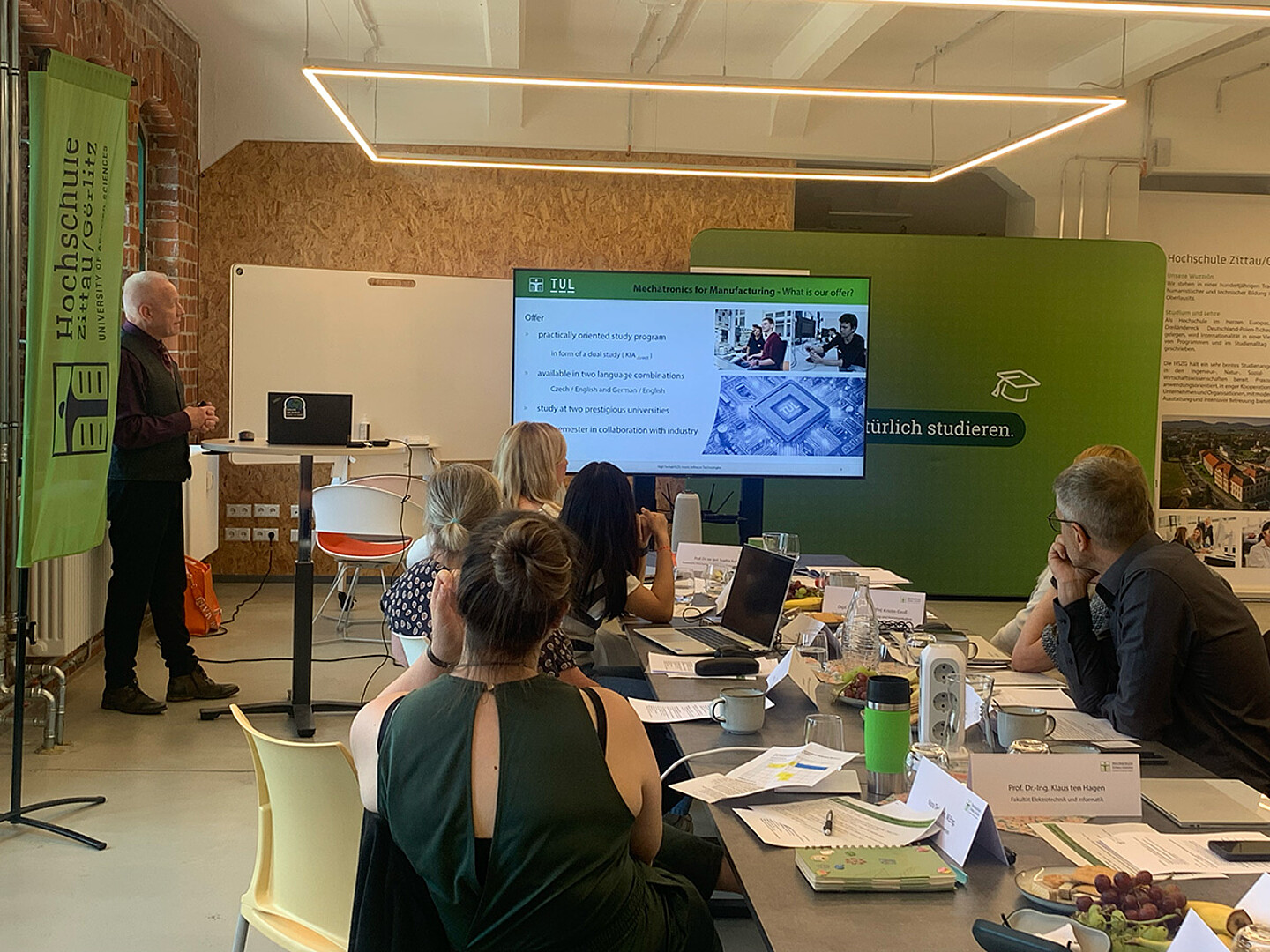
The meeting centered on the question of what future-oriented degree programs at HSZG must look like in order to meet the semiconductor industry’s growing need for skilled workers. Together with Infineon, representatives from the university discussed the content and structure of the planned degree programmes in Semiconductor Processes and Materials Chemistry (B.Sc.) and Mechatronics for Manufacturing (B.Sc.), the latter of which is being developed in cooperation with the Technical University of Liberec. The goal is to create practice-oriented curricula that equip young talents with solid skills while also providing them with early hands-on experience.
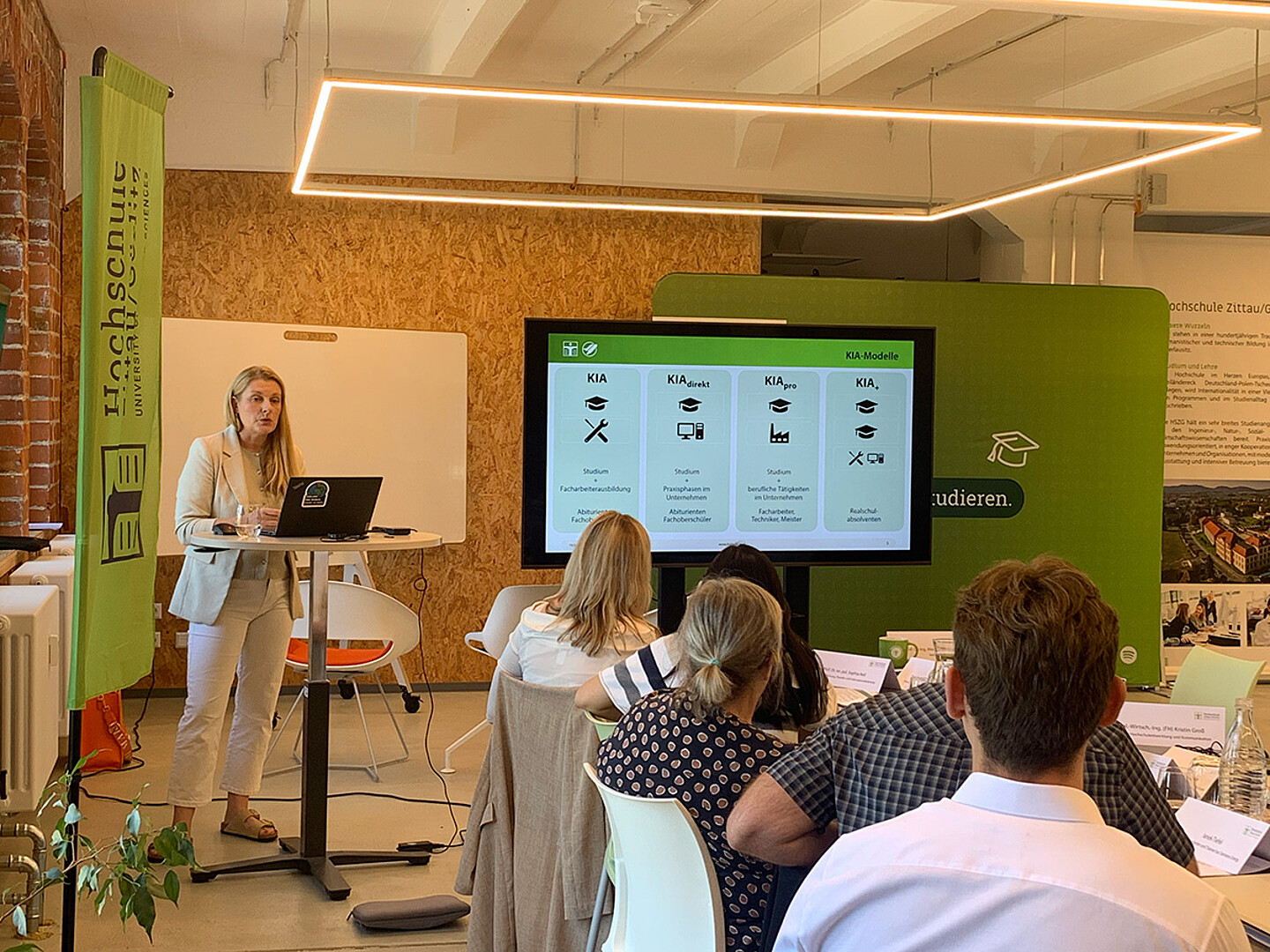
Particular emphasis was placed on the Cooperative Engineering Education Programme (KIA) model, which enables a close integration of academic education and industrial practice. In addition, other key aspects of the proposed partnership with Infineon were discussed—including the recruitment of specialized faculty, the expansion of international collaborations, and strategies for retaining qualified professionals in the region over the long term.
Our goal is to design degree programs that are both practice-oriented and scientifically sound, and that are tailored to the specific needs of industry. Our close collaboration with a technology leader such as Infineon is a significant step toward achieving this goal—not only for our university, but for the entire region.
”Insights from the Field—from Siemens Energy to KIA Students at HSZG
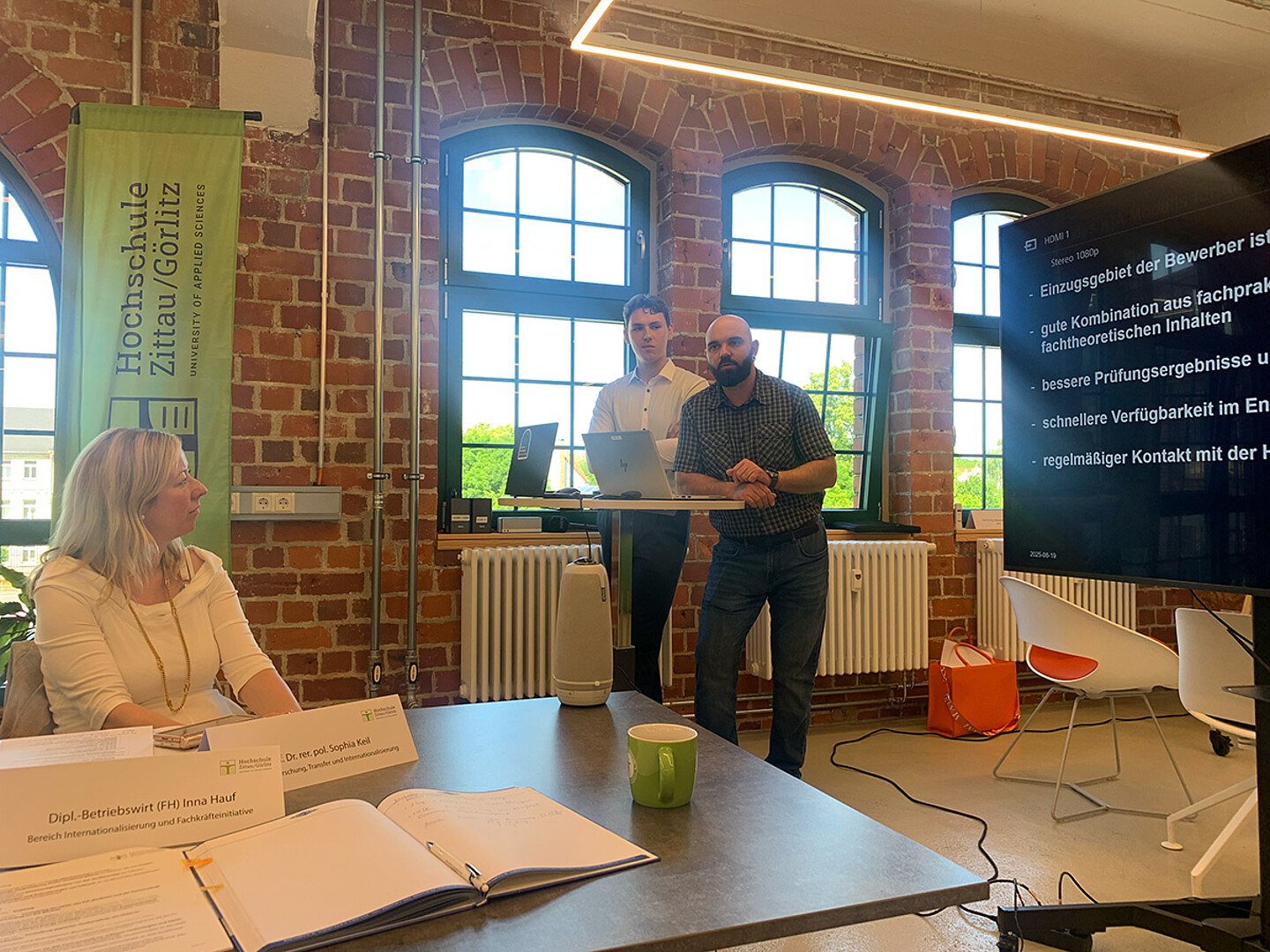
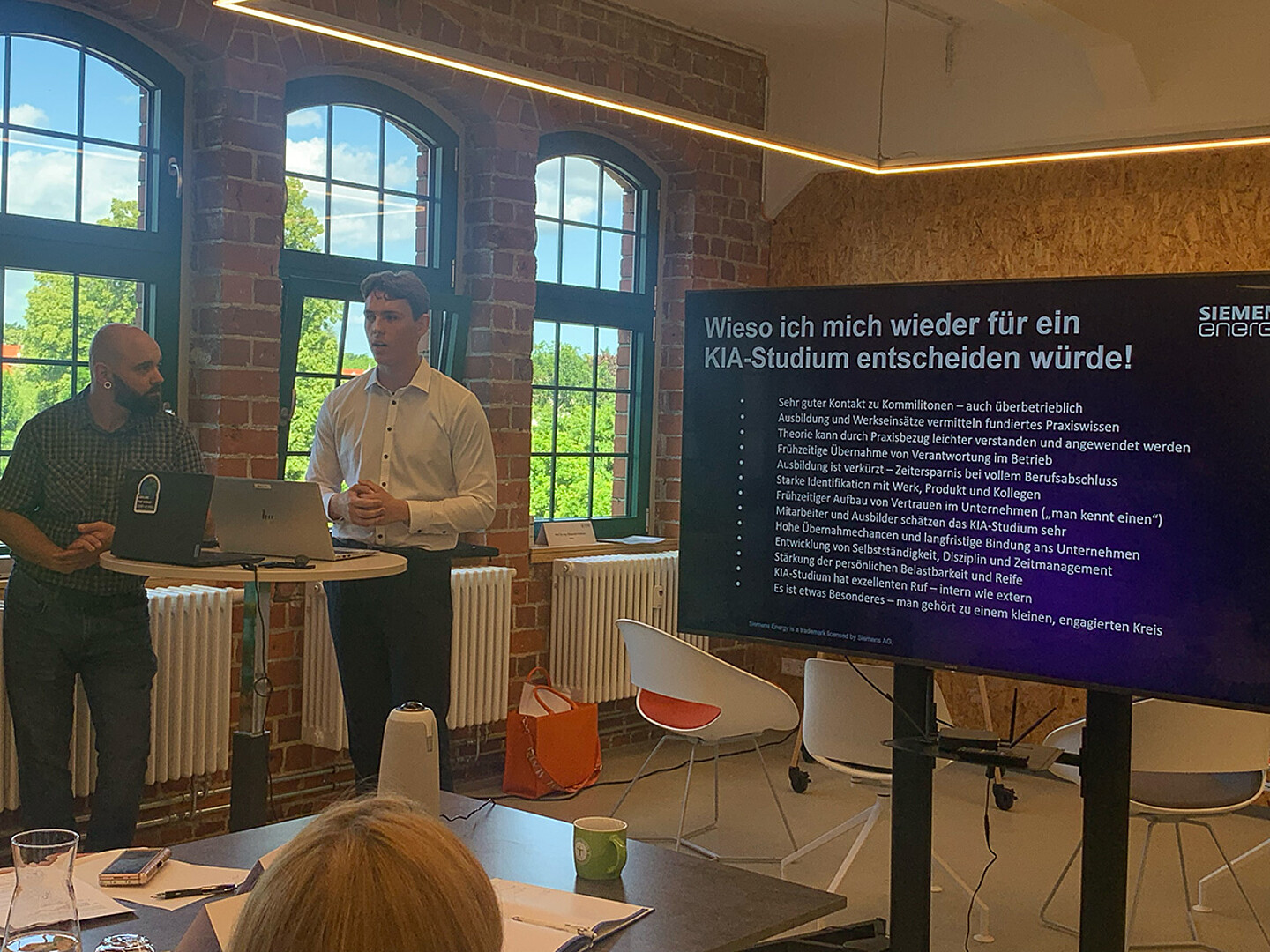
Among the workshop guests was Siemens Energy—a long-standing and valued KIA partner of HSZG. Janek Tiefel, learning process facilitator and training manager at Siemens Energy, along with KIA student Martin Alexander Schlemmer, provided valuable insights into the practical realities of dual training. They discussed successful collaboration models and demonstrated how KIA students can be successfully integrated into the company’s day-to-day operations. Martin Alexander Schlemmer gave a particularly compelling account of his personal academic and practical experiences and made it clear why he would choose the KIA (sandwich-style) degree course at HSZG again and again. The contributions from Siemens Energy served as a practical starting point for the subsequent discussion with Infineon.
We see the dual study program as an excellent opportunity for future junior staff to gain technological know-how and practical experience at the same time. The HSZG offers excellent conditions for this, particularly with regard to the expansion of semiconductor-specific courses.
”For us at Infineon, it is crucial that we not only train young talent, but also open up prospects for them in the region. With the HSZG, we have a strong partner at our side.
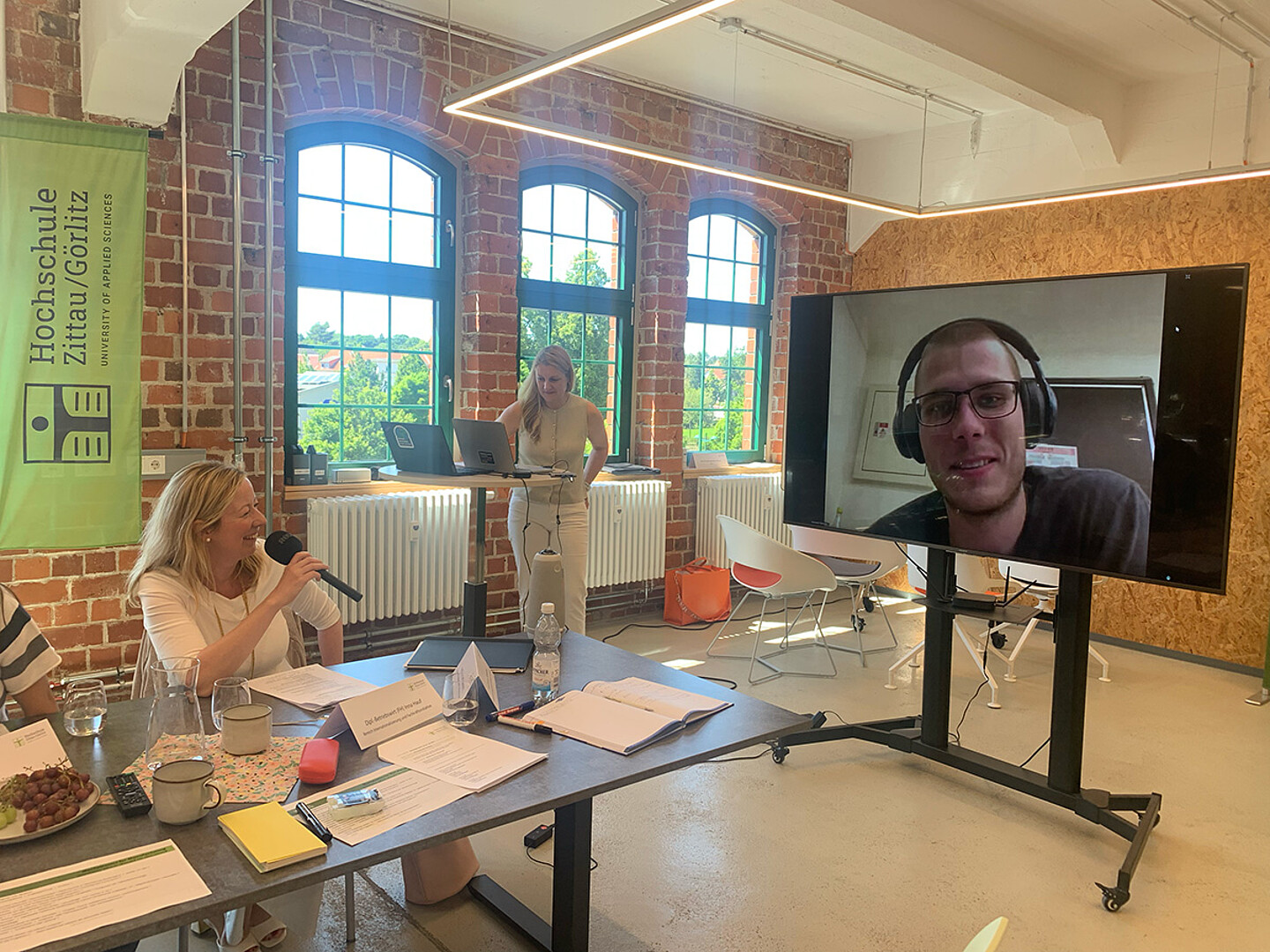
”A highlight of the program was the presentation by Alexander Klimmek, a KIA student in the field of automation technology participating in a cooperative program with Deutsche Bahn. He is currently completing an internship at the semiconductor manufacturer TSMC in Taiwan. His perspective impressively demonstrated how international experience, academic training, and practical study phases can be meaningfully integrated.
I am particularly impressed by the fact that the HSZG gives me practical and international experience. It is precisely this combination that optimally prepares us for the demands of industry.
”From Theory to Implementation—Concrete Next Steps
Following a guided tour of the DLR_School_Lab at Zittau/Görlitz University of Applied Sciences, the workshop findings were consolidated and concrete measures were agreed upon. These include:
- the integration of corporate requirements into the curricula of the new degree programs,
- the development of a placement model for KIA students at Infineon,
- and the establishment of a regular exchange between the university and industry partners.
The curriculum adjustments developed during the workshop are to be integrated into the new degree programs, which will begin in the winter semester of 2026.
The workshop impressively demonstrated how the university and industry can jointly develop innovative degree programs that address both regional needs and international challenges. The planned degree programs and the intensive collaboration with Infineon make an important contribution to securing a sustainable supply of skilled workers in the key semiconductor industry—while simultaneously strengthening the university’s role as a regional driver of innovation. “We see ourselves as a bridge between academia and industry—and as an active partner in shaping structural change in Upper Lusatia, ” concluded Prof. Dr. rer. pol. Sophia Keil.
Further formats to deepen the exchange are already planned:
For example, talks with other industry partners such as ESMC (European Semiconductor Manufacturing Company) will take place in fall 2025. The HSZG is thus consistently continuing on its path of developing practical study programs that respond to the dynamic developments in the semiconductor industry - and specifically retain young talent in the region.
Further information can be found on the websites of Infineon Technologies and Siemens Energy.
We would like to extend our heartfelt thanks to the representatives of the Faculty of Electrical Engineering and Computer Science —Prof. Dr.-Ing. Klaus ten Hagen, Prof. Dr.-Ing. Wolfgang Kästner, and Ondrej Svarc — Prof. Dr. Gerd Fischer from the Faculty of Natural and Environmental Sciences, as well as Nora Terlunen from the Faculty of Mechanical Engineering —for their expert contributions and valuable insights.
We would also like to thank the representatives from Infineon Technologies and Siemens Energy for the constructive dialogue, as well as KIA students Alexander Klimmek and Martin Alexander Schlemmer for their practical experience reports. We extend our sincere thanks to all participants for their dedication and contributions to the success of the workshop.

1st floor

First floor