Or: settling in as a first-year student, nerve-wracking projects and jobs alongside your studies - a few insights into the winter semester so far
After the university had to keep all faculty students at home in October due to the coronavirus pandemic, teaching was able to continue relatively normally in November. Online lectures and in-person seminars alternate and the winter semester at the HSZG is back in full swing.
...I asked myself. So I went straight to Anne, a newcomer to tourism management at the HSZG. Although that's not entirely correct, because Anne already has experience of the tourism industry. After completing her training as a hotel specialist, she decided to study tourism in Görlitz. Why did you decide to study tourism in Görlitz?
"Firstly, because it gives me the opportunity to work in a higher position later on, e.g. in sales or marketing. Many of these subjects were not part of my training. And secondly, there is of course the prospect of a higher salary. After all, I had three years to think carefully about what I wanted to do ;)"
The HSZG usually holds an introductory week for newly enrolled students, with various activities to get to know the university and the city of Görlitz. How was Freshers' Week for you?
"During the Freshers' Week, I only took part in the seminars and not in the city game, for example. The introduction to online teaching was very helpful. We set up Opal, Citavi, BBB and the WLAN. The Freshers' Week was okay."
These online teaching programs in particular are new territory for most people. How are you getting on with teaching and the programs so far?
"I'm getting on well with the online teaching and Opal. At first, it was a bit difficult to find the right links to the BBB (virtual) seminar rooms. The timetable was also confusing at the beginning. If there was a BBB link in the timetable, some people assumed that the course would either only take place online or that we could choose whether to listen from home or be present."
Is this how you imagined studying?
"I actually had no real idea what studying would be like. I've known for 4-5 years that I wanted to study tourism management because I like traveling and my apprenticeship was fun (except for the shifts and working at weekends ;))
However, I would have thought that we would have more seminars/lectures during the week, similar to the 4-6 hours we used to have at school."
You also moved to Görlitz to study. How do you like the city?
"Görlitz has a beautiful old town, a lovely lake and cheap rents compared to Dresden, where I trained as a hotel manageress. I'm originally from the region, so I'm not "new" to Görlitz. The streetcars could run more often, but okay."
What projects are you working on this semester?
"We have a project in the Lausitz Lake District, but the excursion has been canceled for the time being due to corona."
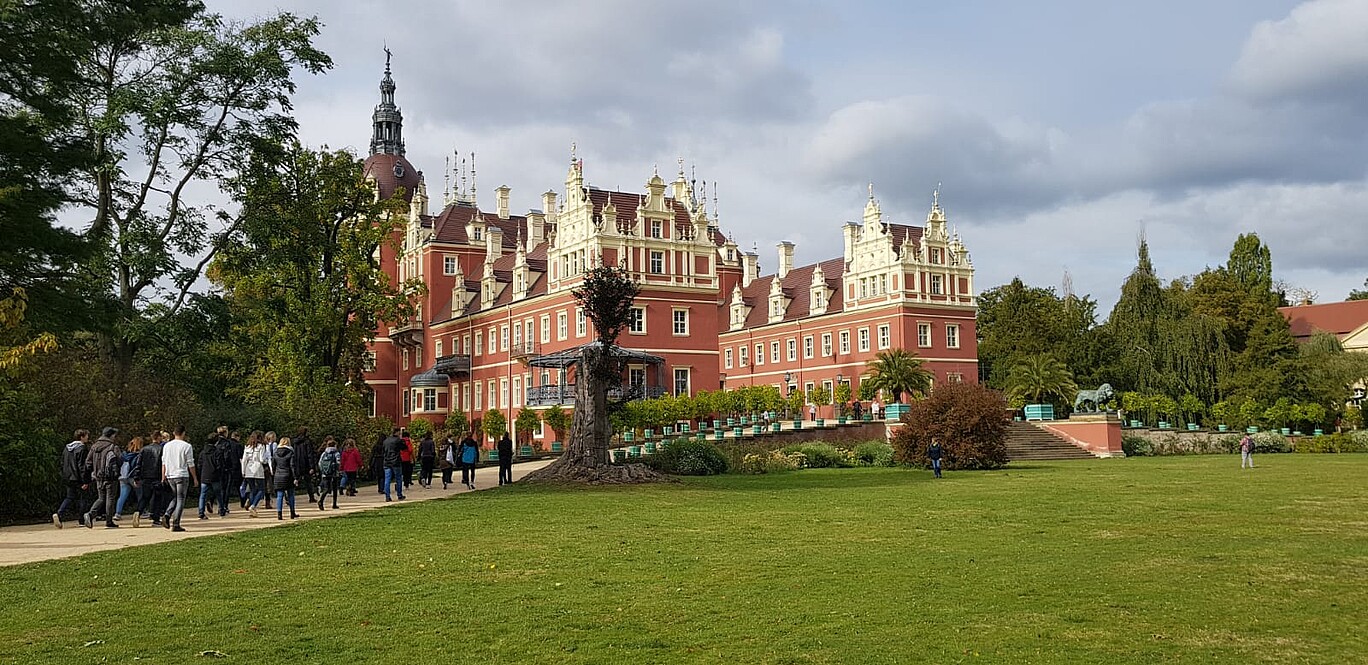
Extremely regrettable, in my opinion. We also had an excursion to the Lausitz Lake District in the first semester with many interesting stops, such as the Fürst-Pückler Park Bad Muskau, the Bärwalder and Großräschener lakes and the Welzow open-cast mine. We have fond memories of this informative and fun excursion and hope that the first-year students will have the opportunity to make up for it at some point.
All in all, the first-year students seem to have settled in well at the university and are generally getting to grips with the new form of teaching.
Do you know this too? It's a classic problem for many students. Not everyone is entitled to BAföG, or even if they are, the money is sometimes tight. The solution for many is therefore a part-time job alongside their full-time studies. Most students in my class also have a part-time job. Many of us work part-time in a hotel or catering business. On the one hand, this is obvious because these jobs are part of the tourism industry and you get a little insight into the practice and gain work experience for later. On the other hand, they are simply jobs that are offered almost always and everywhere. At least that was the case before Corona. Due to the pandemic-related lockdown and government regulations, many restaurants and hotels had to close. Even if a few restaurants are still delivering food, the demand for temporary staff is currently zero.
My fellow student Akram feels the same way. Until recently, he also worked in a restaurant in Görlitz's old town, but it has now closed.
"The next month will be tough without the extra income. But I also miss the balance to everyday university life, the physical work and exercise after sitting in lectures for a few hours. I'm doing more sport now to find a balance."
The only good thing about the hopefully soon to be temporary unemployment is that you can now concentrate fully on your studies, as this is currently unavoidable. The 5th semester tourism students are currently faced with many time-consuming projects. In addition to lectures and seminars, they also have to work on presentations and workshops in groups or on their own, as usual.
In addition, there is a project that was already mentioned in the previous article (Studying tourism with practical relevance - even despite Corona!) - Working Across Borders, an international project in which students from different countries and universities solve tasks together.
All group members have to meet online once or twice a week. As our "teammates" come not only from Europe, but also from Canada or Indonesia, it is usually difficult to find a date for a meeting. When you try to take into account the time difference, busy schedules and everyone's occasional need for sleep, the possibilities are not too great. So we schedule online meetings with our groups between seminars, but weekends and nights are no longer spared.
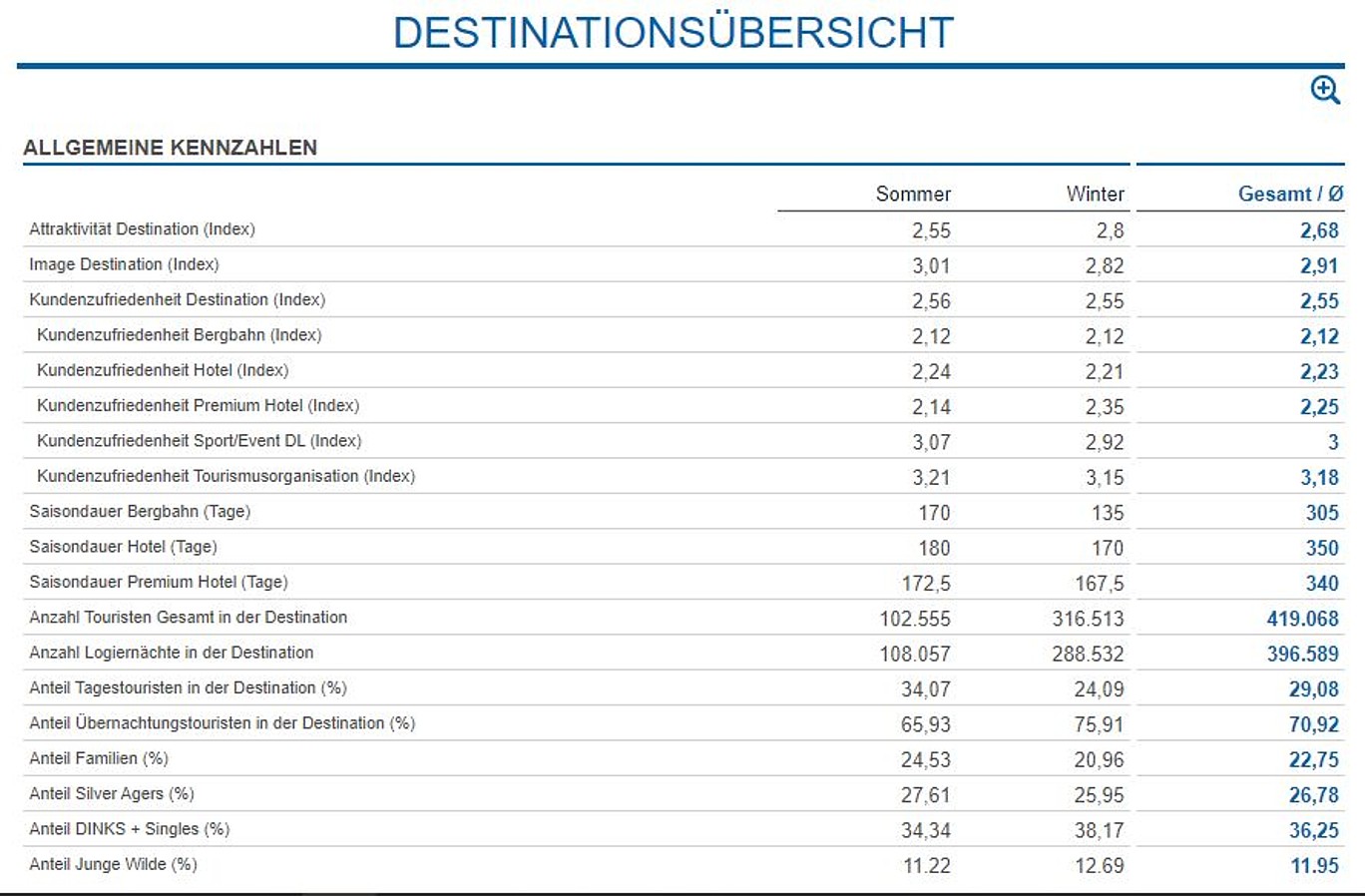
The organizational skills of all students are also in demand in the ongoing simulation game in the Destination Management module. Almost every day, we negotiate and discuss as employees of fictitious hotels, event service providers and tourism organizations about decisions and financial investments that should be made for the good or bad of an Alpine resort in Switzerland. Everyone quickly realized how things work. In the course of this project, alliances were forged between "companies" and vast amounts of imaginary money were invested for more or less charitable purposes.
As in the other semesters, excursions were also planned, for example to the Dresden heathland or the Ore Mountains, but these have also been postponed or canceled.
It remains to be seen and hoped that these excursions will soon be possible again.