
Sustainability meets enjoyment and practical relevance.
Author: Prof. Dr. Jana Stolz-Römmermann
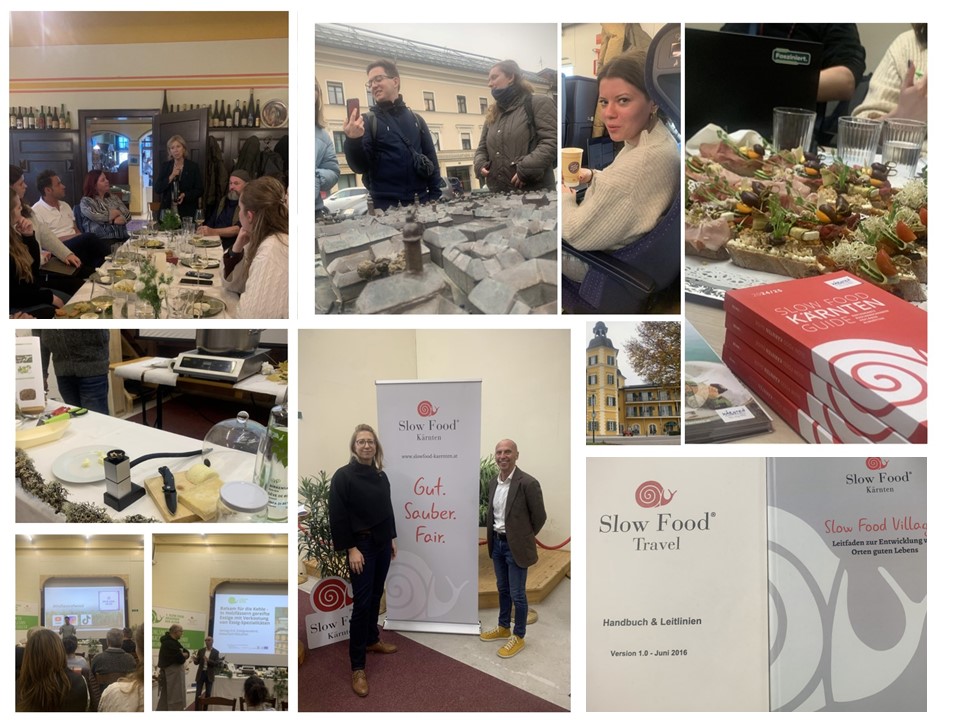
From 11 to 15 November 2024, tourism management students from the Zittau/Görlitz University of Applied Sciences traveled to Carinthia under the direction of Prof. Dr. Jana Stolz-Römmermann. The aim of this excursion was to experience the principles of Slow Food and Slow Travel first-hand and to explore their potential for creating sustainable, cross-border regions of enjoyment.
The trip was prepared by seminars so that the students could later analyze institutional structures, target groups and challenges of a Slow Food region. The excursion also focused on the investigation of factors that promote and hinder the development of Slow Travel regions as well as marketing strategies. The students also dealt with the development of unique selling points (USPs) based on culinary specialties and their valorization for tourism.
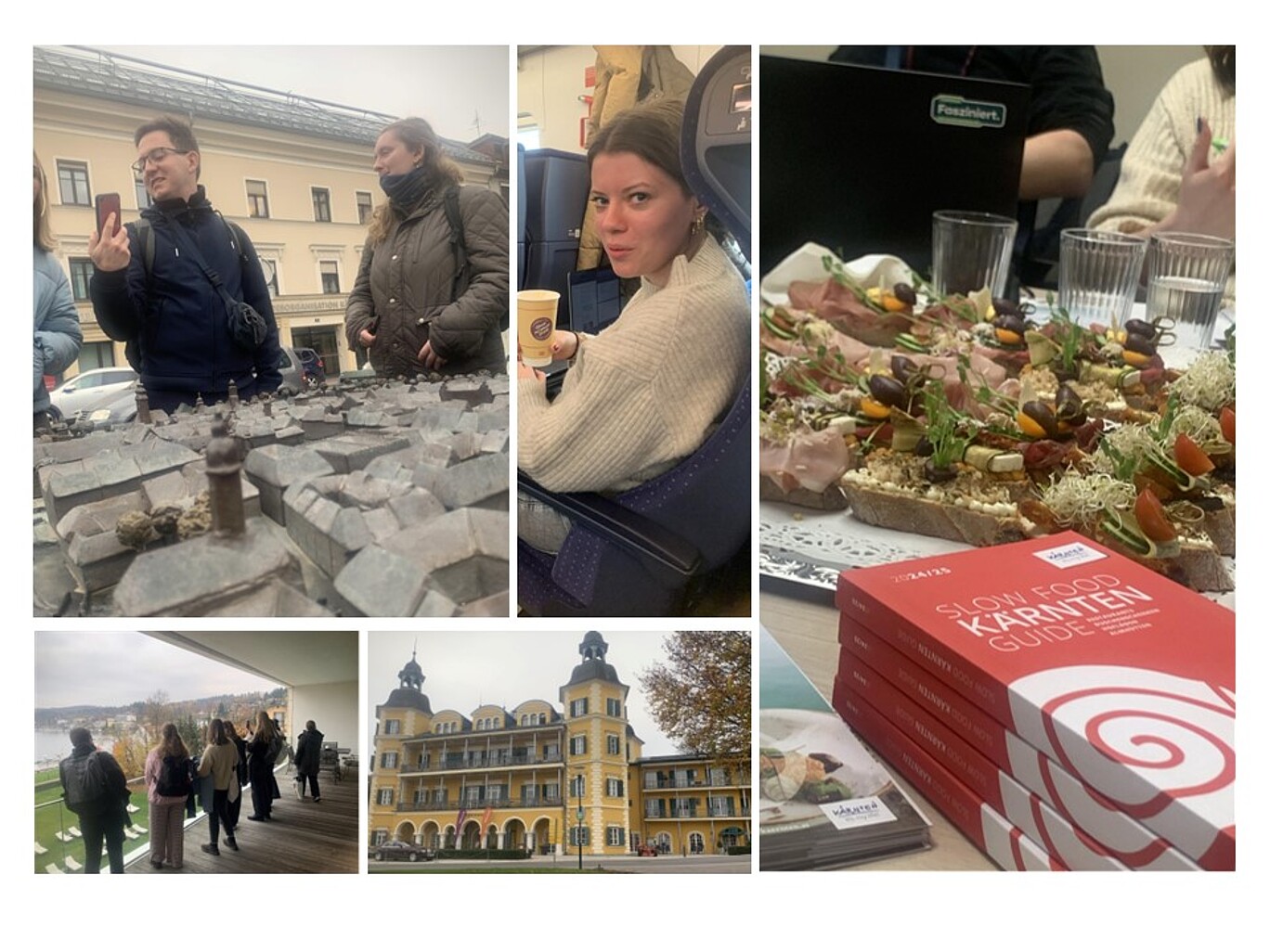
The excursion started in Klagenfurth at Kärnten Werbung, Marketing & Innovationsmanagement GmbH with an overview by Ms. Ortner on the development of culinary tourism in Carinthia. Afterwards, the participants gathered impressions of the local culture during a stroll through the city.
A visit to the Schlosshotel Velden on Lake Wörthersee offered additional inspiring insights. Here, the students learned how a 5-star hotel implements sustainable, regional cuisine and the challenges that need to be overcome.
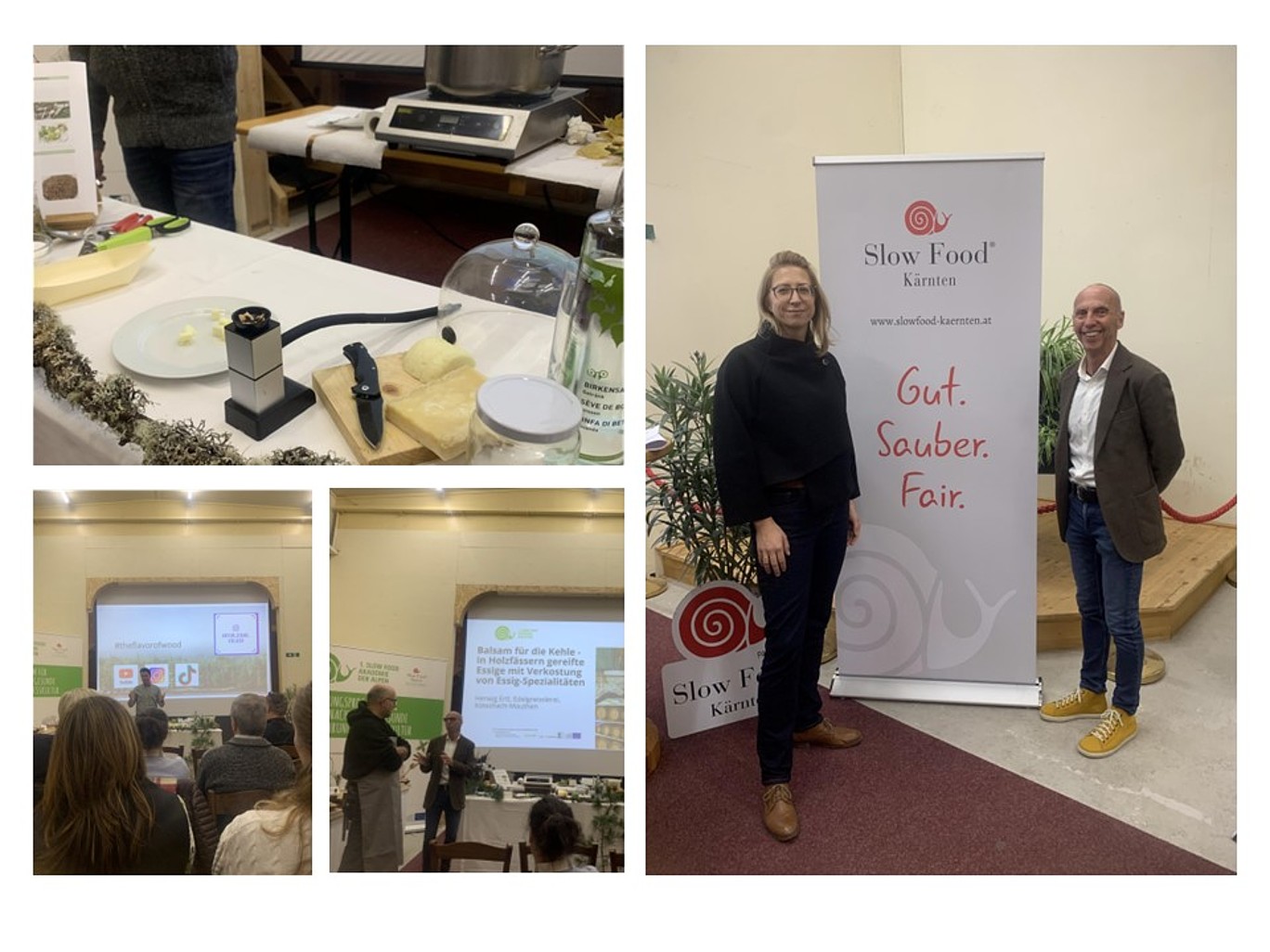
By participating in the Slow Food Academy's educational program "The Taste of Wood", the students learned about exciting approaches to refining regional dishes as well as inspiring Slow Food experts. Afterwards, they enjoyed real Carinthian cheese noodles in the factory canteen "Zur Säge".
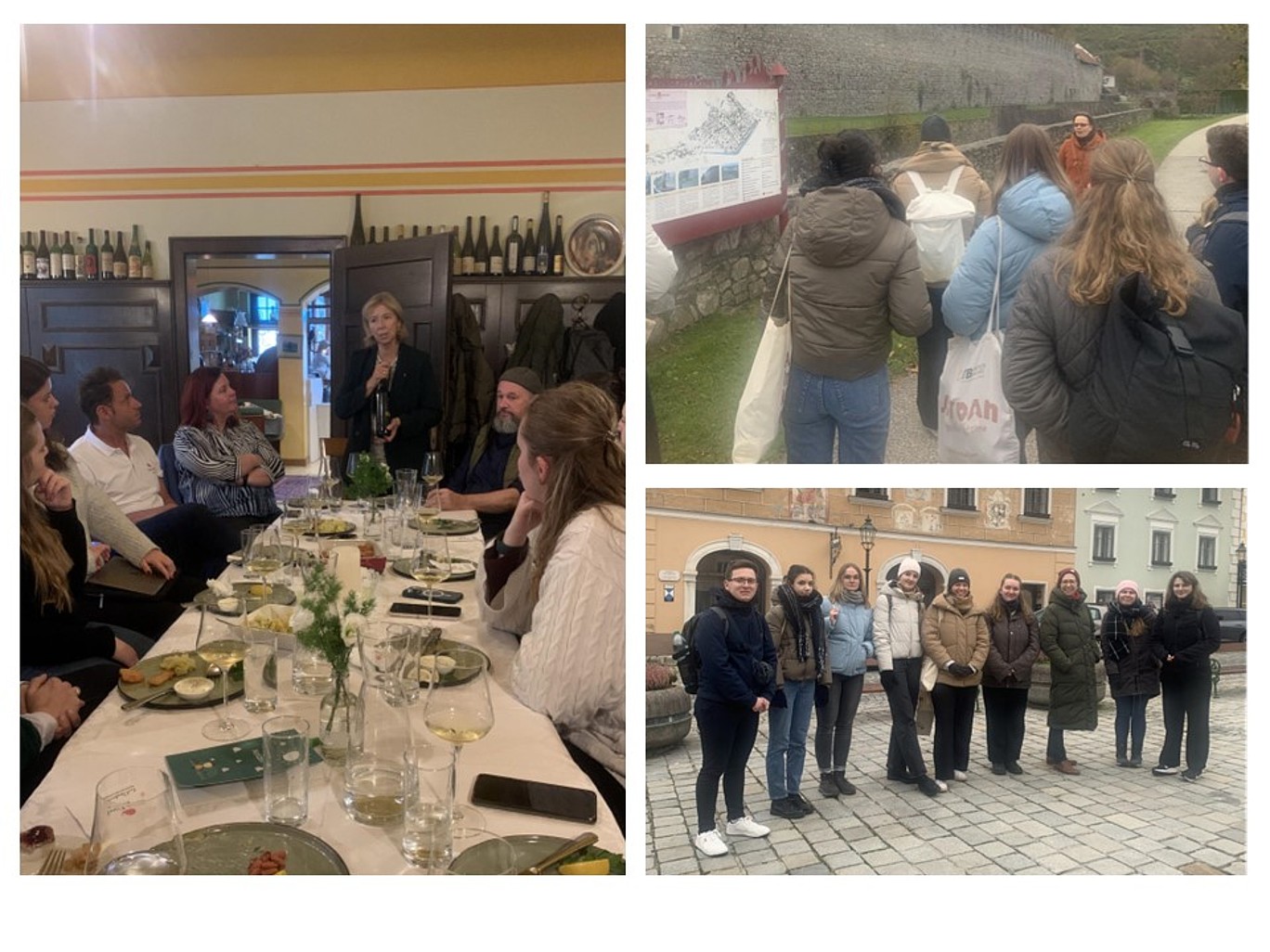
At the Biohotel Daberer in Kötschach-Mauthen, an interview was held with Eckart Mandler, project manager of the world's first Slow Travel region. He explained the beginnings and developments of this movement as well as the role of cooperation between different stakeholders. In addition, discussions were held with stakeholders from Slow Food Carinthia and the "Genussland Kärnten" association, who emphasized the importance of regional networks and shared visions. The excursion concluded with a historical tour of the castle town of Friesach, which underlined Carinthia's cultural diversity.
In the reflection, it became clear how valuable the knowledge gained is for the development of sustainable tourism concepts. The students emphasized that it will be possible to transfer what they have learned to regional projects in Görlitz/Zgorzelec.
The trip made it clear how important practical education is in order to develop well-founded, innovative and sustainable approaches for the future of tourism. It not only promoted professional skills, but also the ability to work together across disciplines and to change perspectives - essential prerequisites for the challenges of a globalized world.