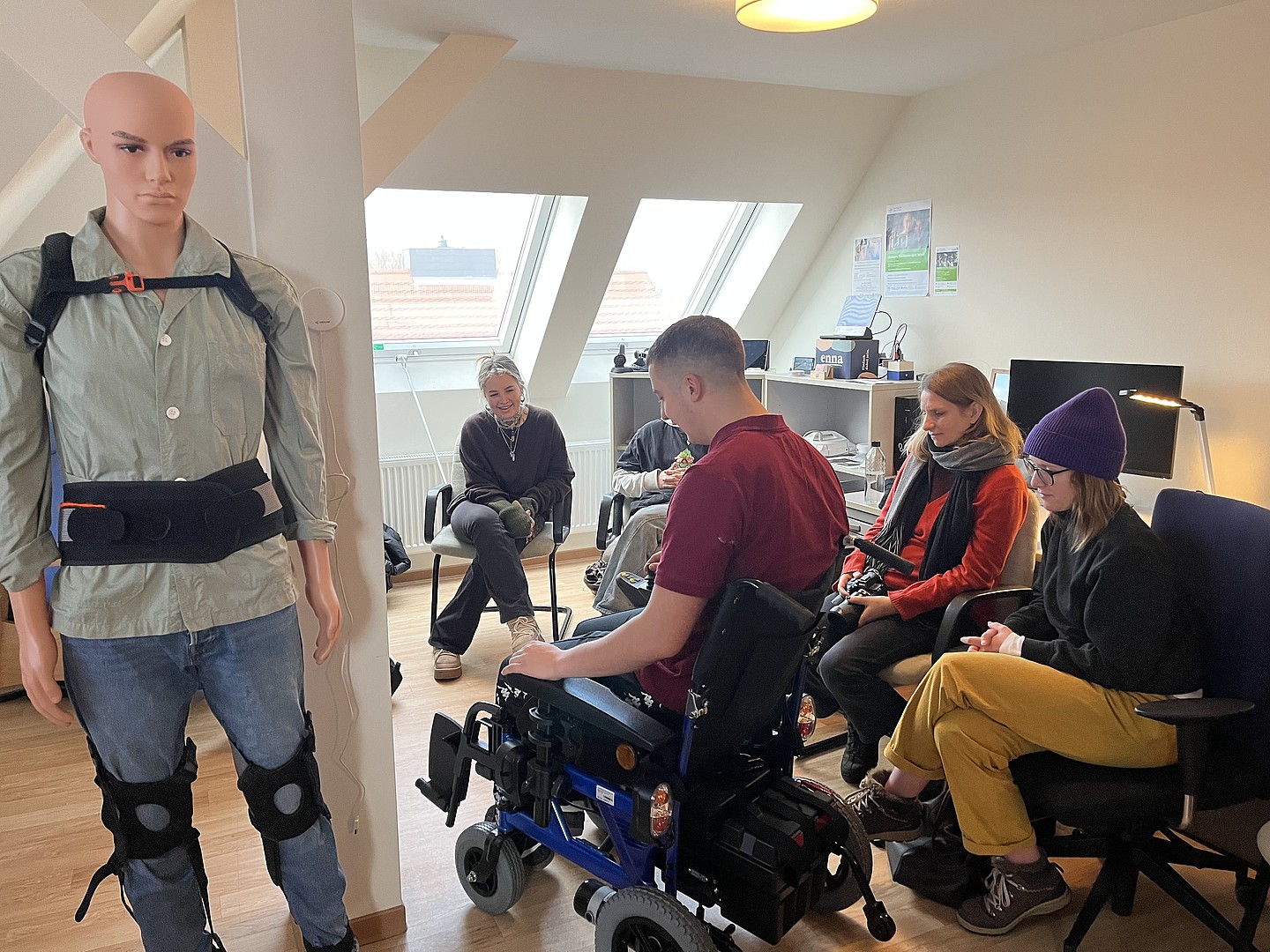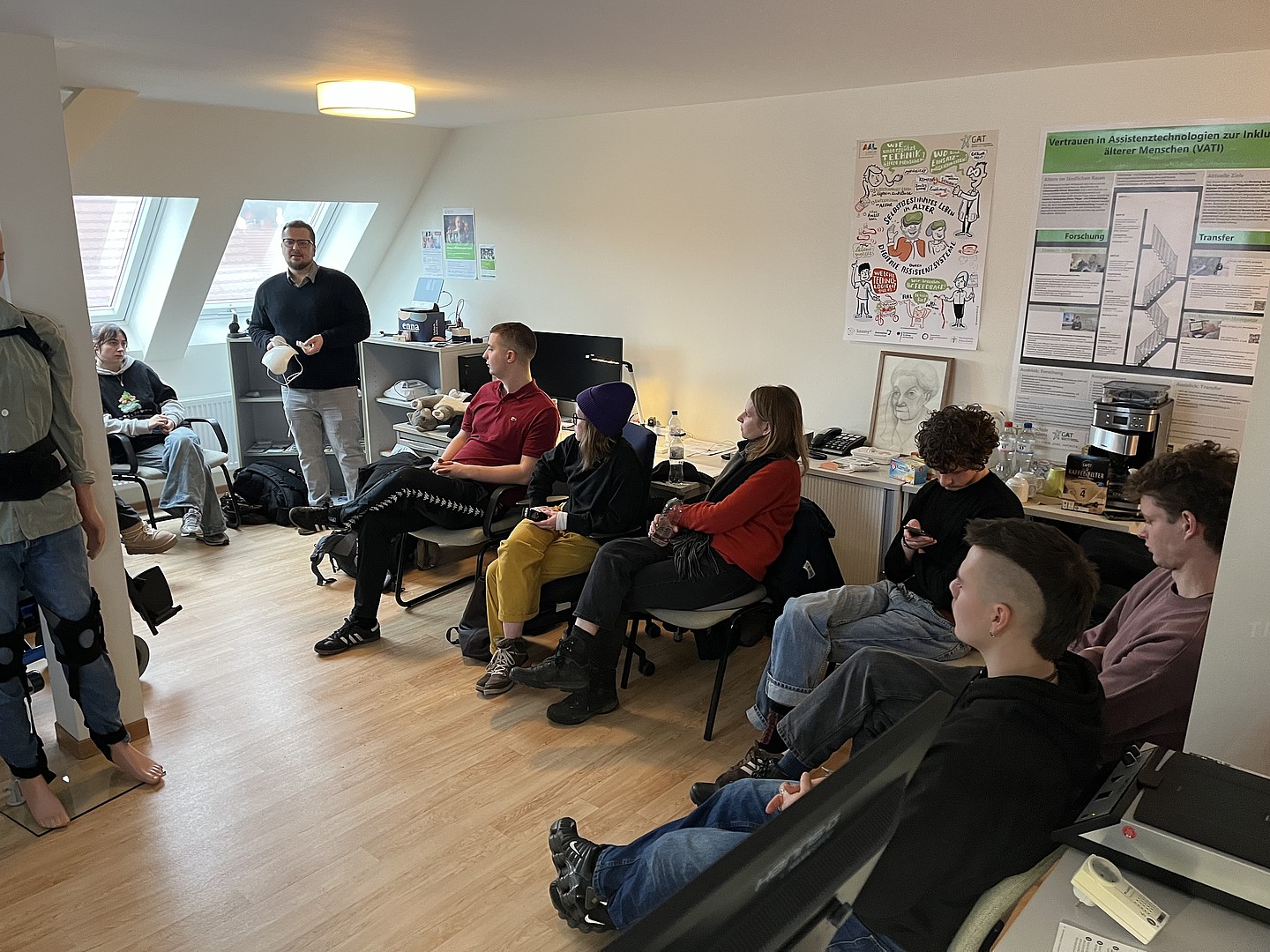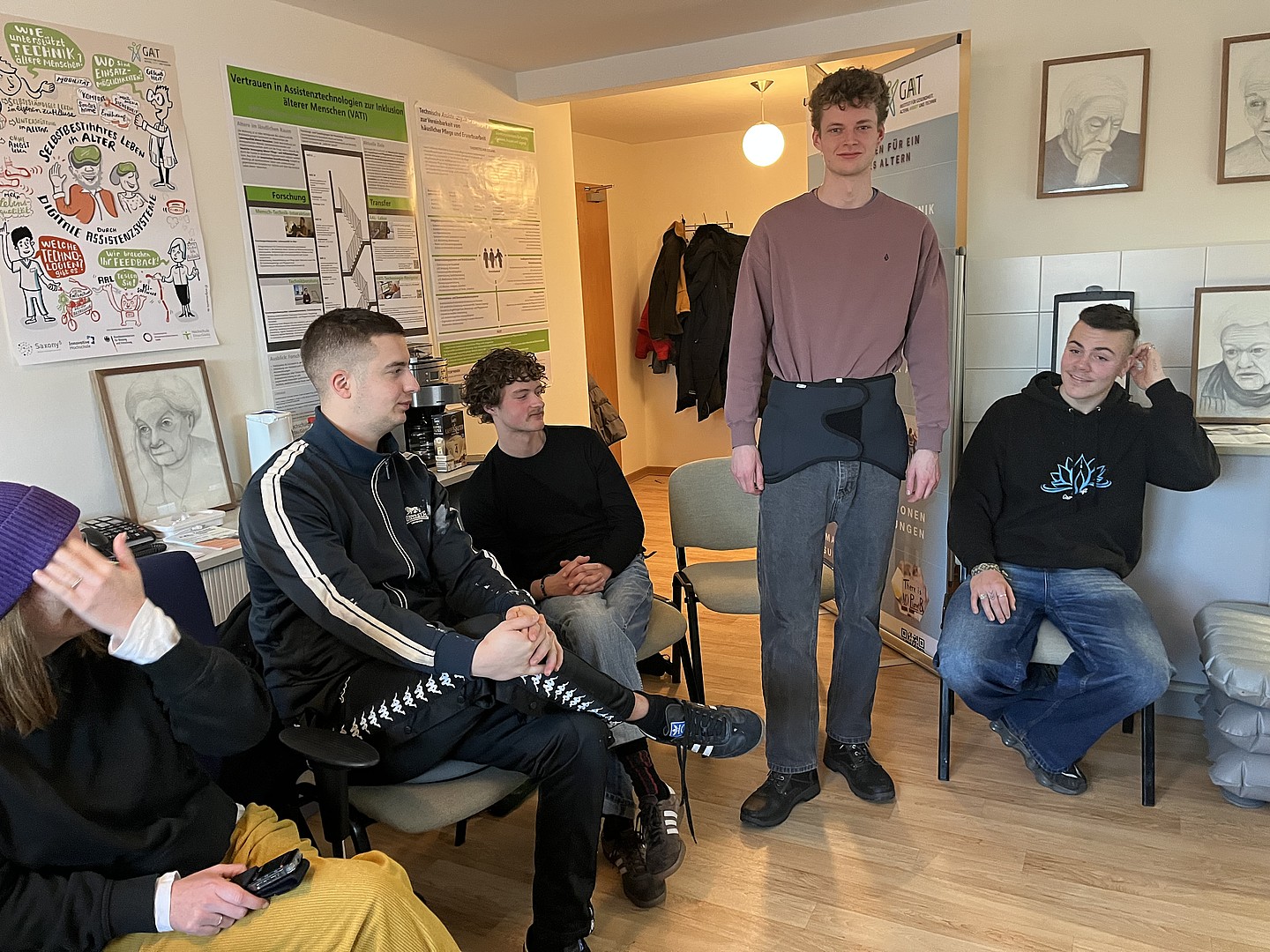
The first week of the new calendar year began in the Ambient Assisted Living Lab (AAL Lab) with three special visits that enriched the exchange between theory, practice and organization.
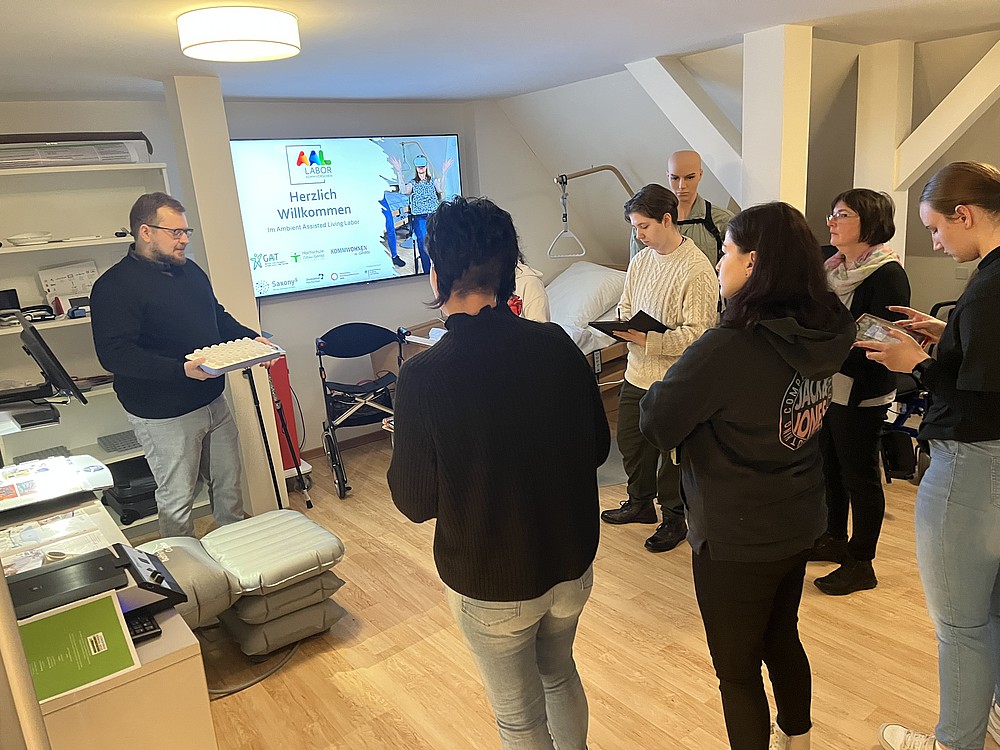
It all started with a visit from Carsten Herde, member of the board of Johanniter-Unfall-Hilfe in Saxony, and Sebastian Vogel, officer of the state board. Together with our team, they had an in-depth discussion about the challenges and solutions of living in a domestic environment in rural areas and the potential of assistance technologies. They discussed how modern technologies can make everyday life easier and at the same time overcome specific challenges in rural areas, such as limited infrastructure or social isolation. Exciting ideas for possible future collaboration in the field of Active Assisted Living emerged.
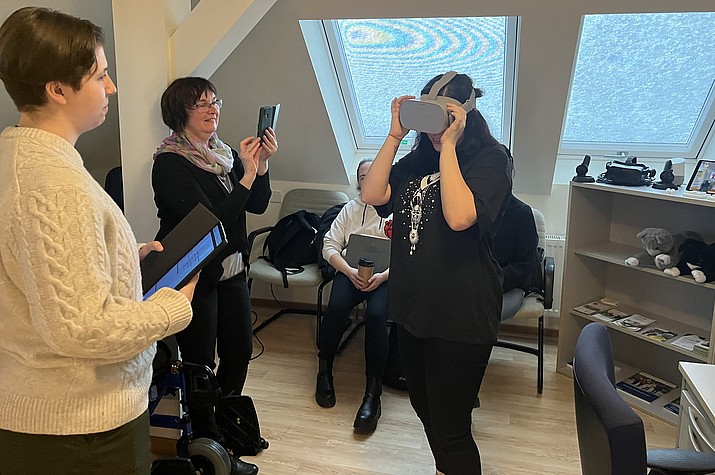
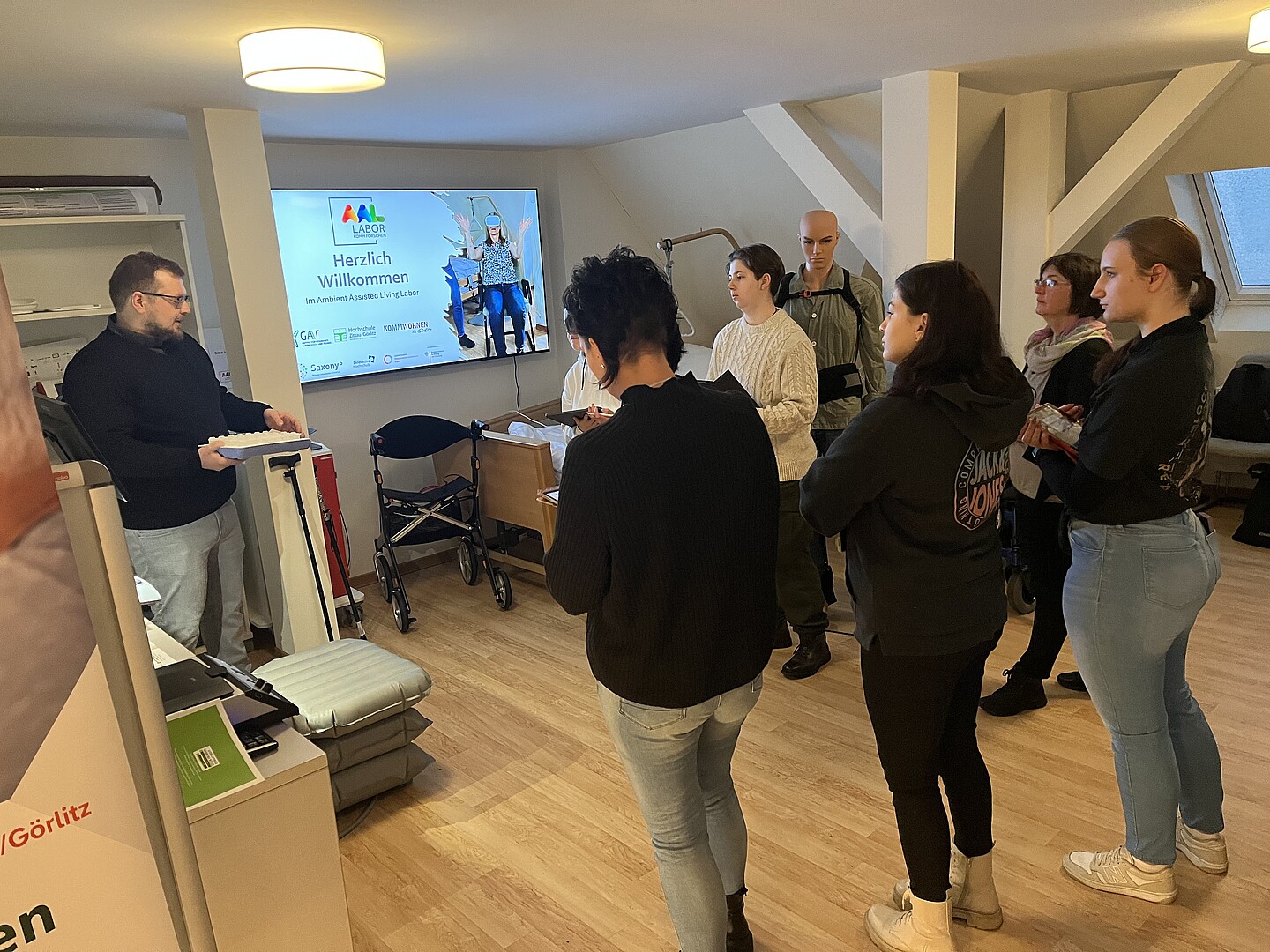
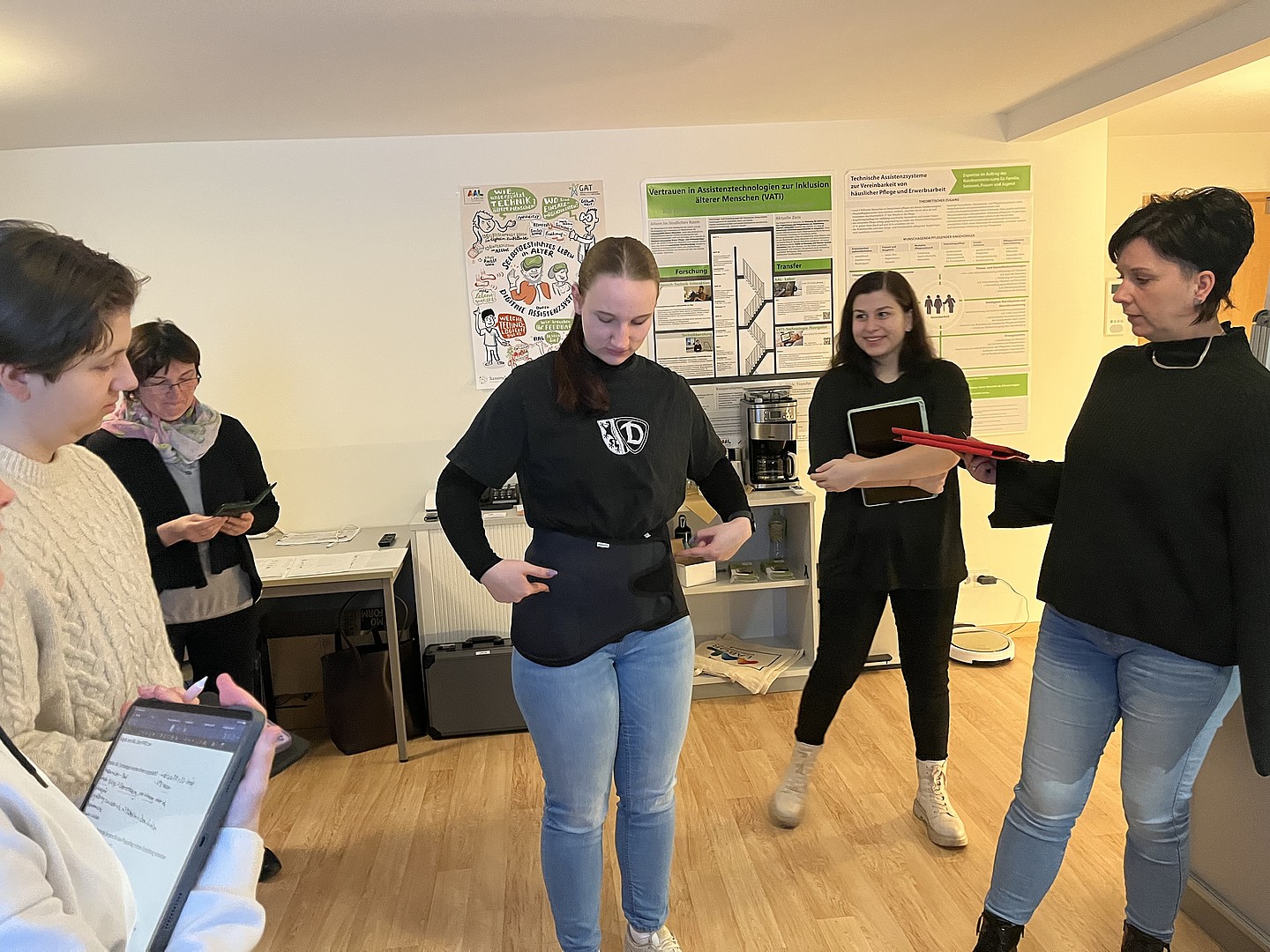
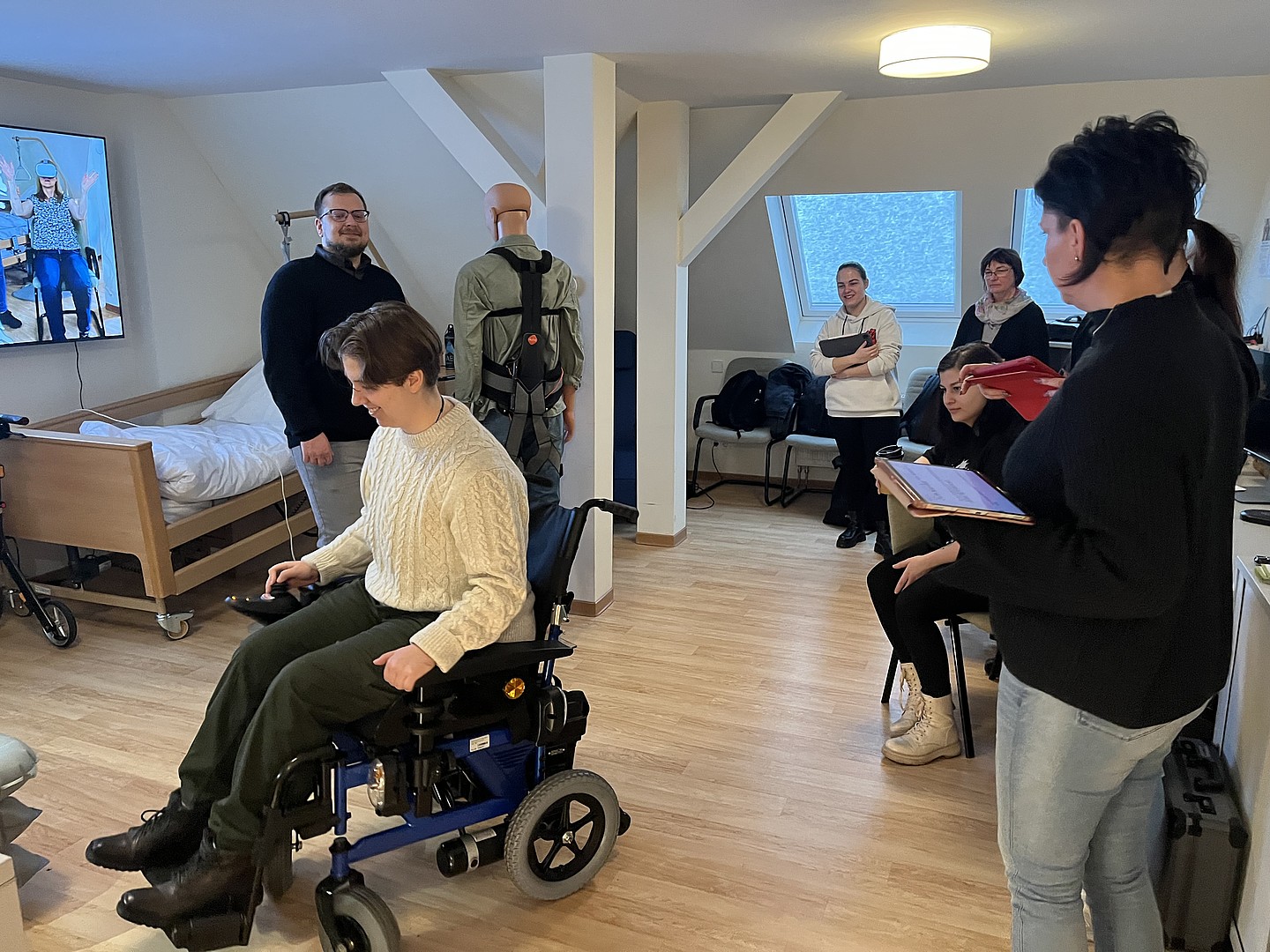
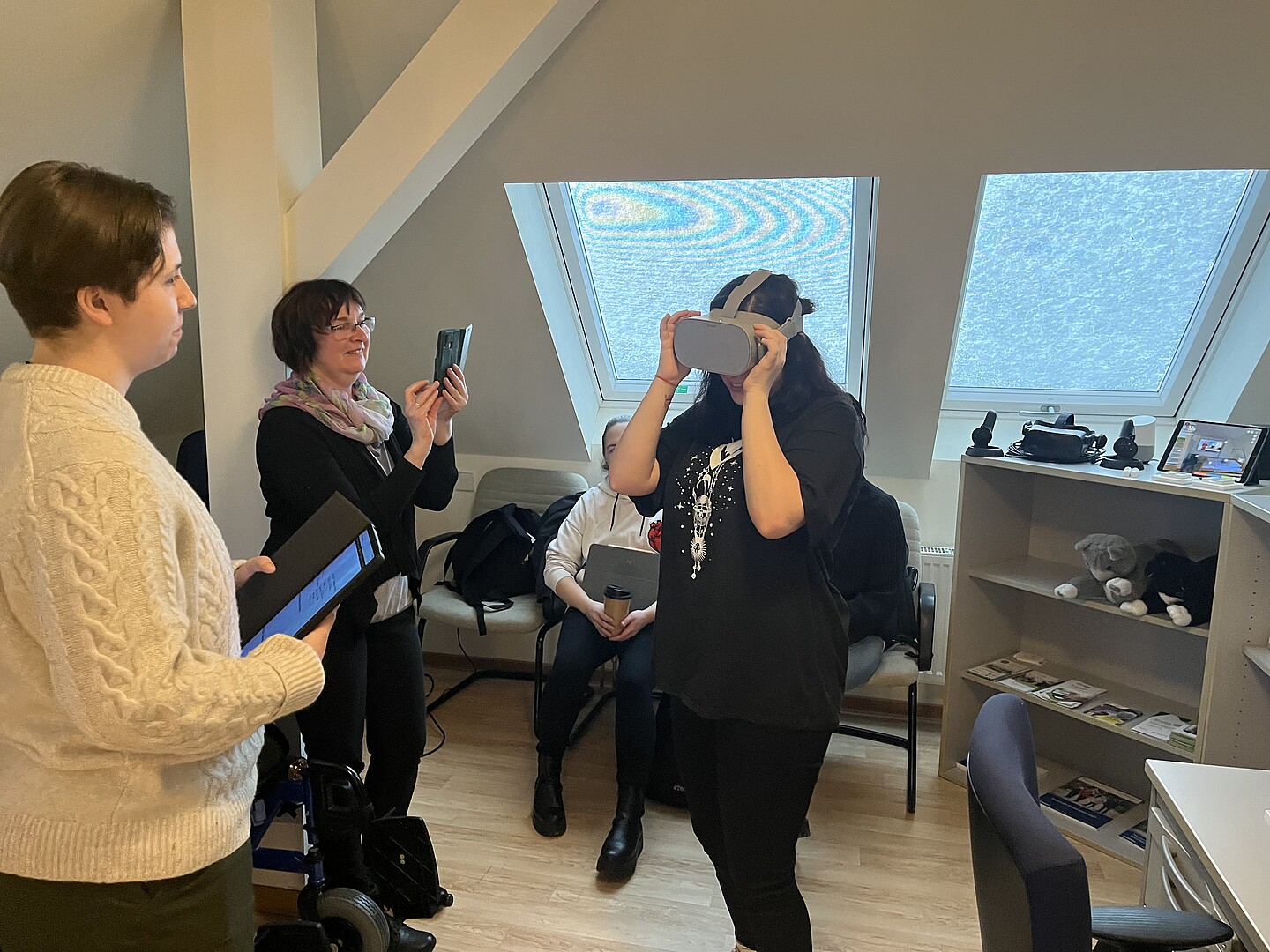
The following day, we were delighted to welcome a third-year generalist nursing training class. The prospective care professionals showed great interest in the innovative technologies and assistance systems that can make life easier for older people and those in need of care. Scenarios were played out together in which the visitors were able to gain practical experience with the technical solutions in the AAL lab. The exchange about the integration of such systems into everyday care was a key topic and led to many exciting discussions. For the trainees, the visit provided a valuable opportunity to prepare for future technological challenges in their day-to-day work.
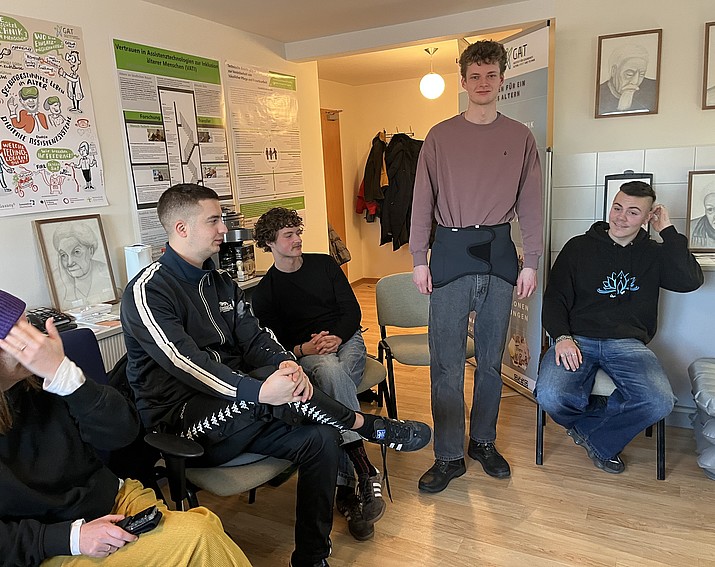
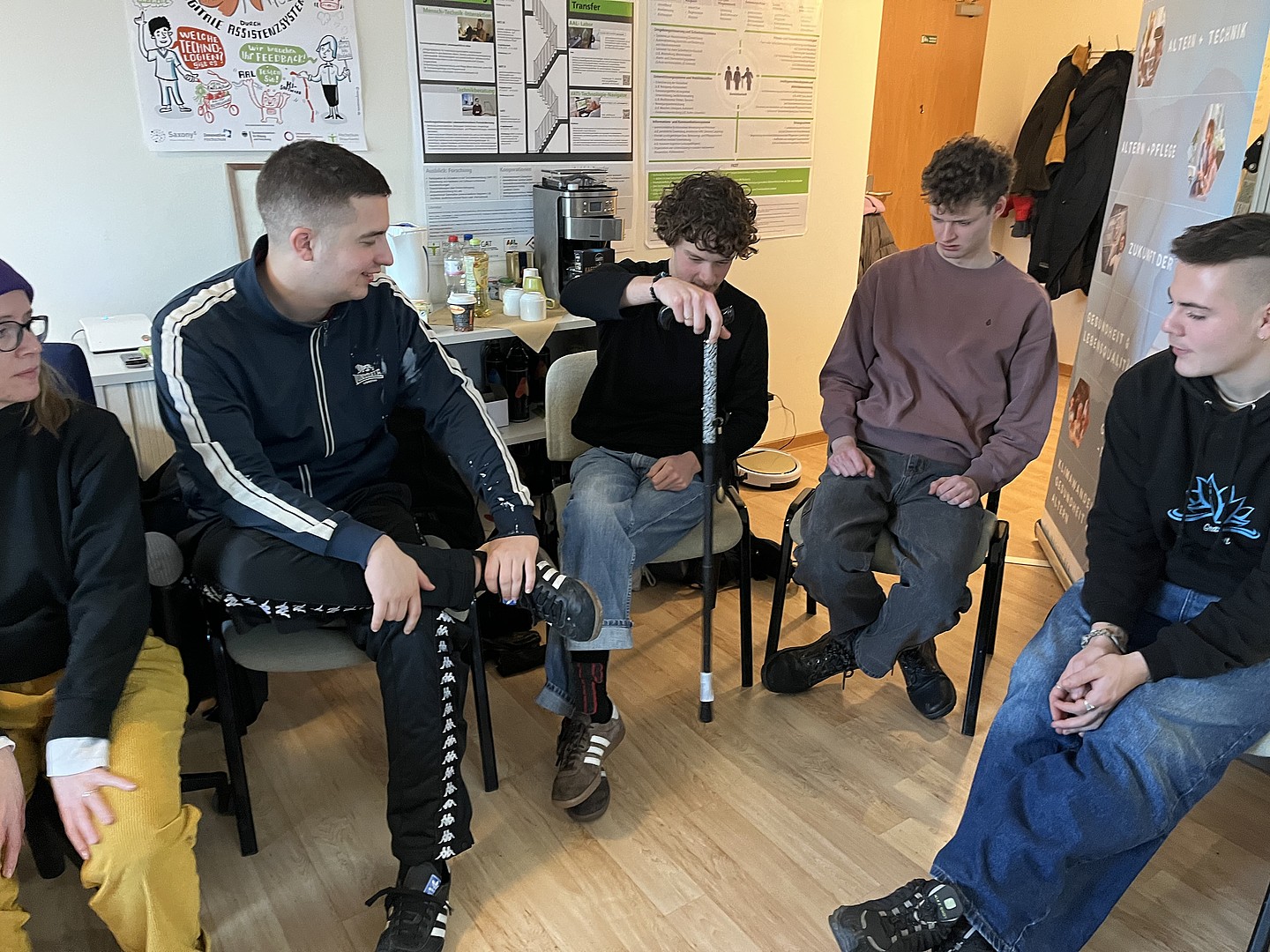
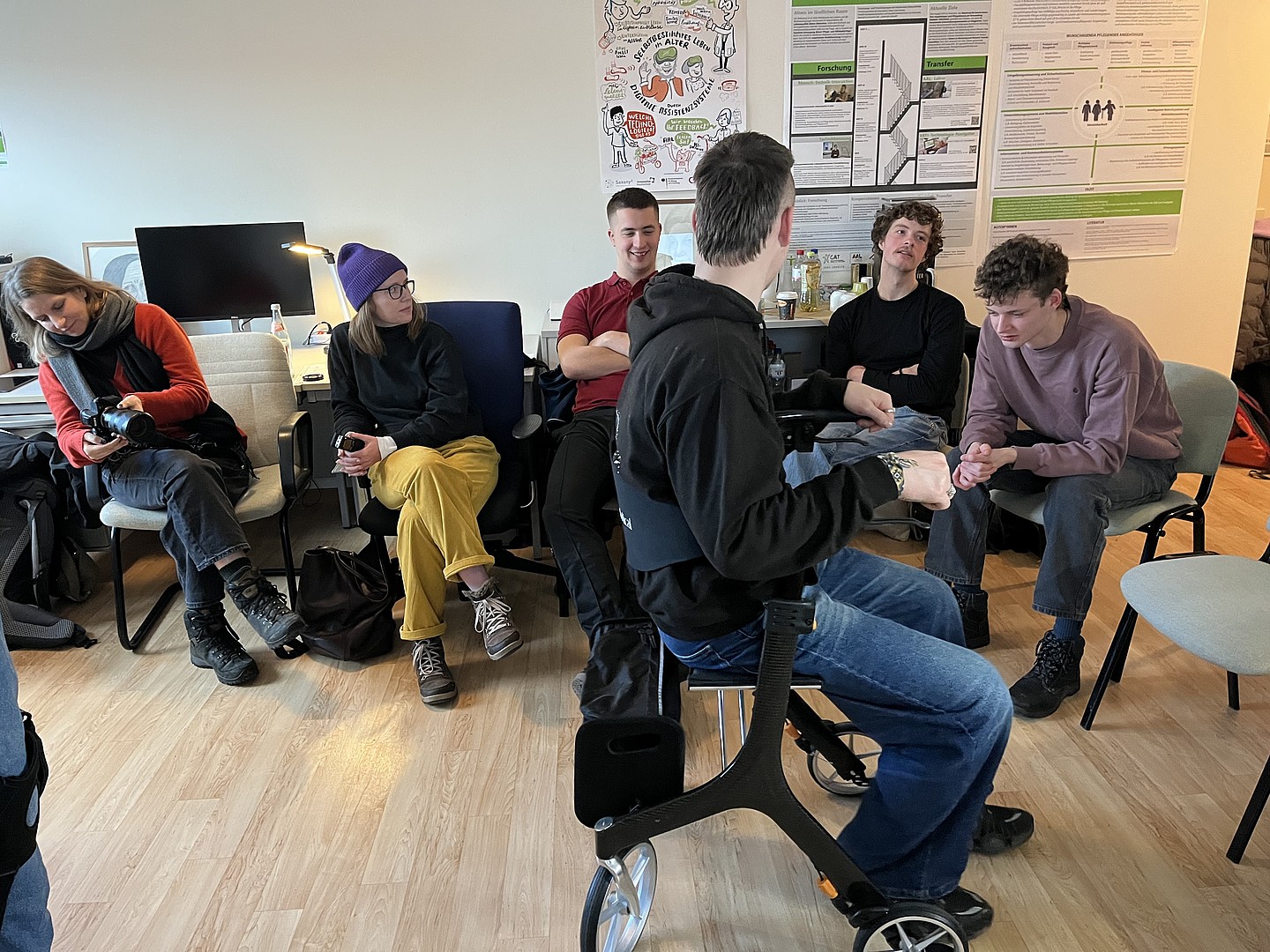
The degree of the week was marked by a visit from eight students from the Catholic University of Applied Social Sciences Berlin (KHSB). The budding social workers in their fifth semester, who were on an excursion to Lausitz, took the opportunity to get to know our laboratory. Their focus was on how technical assistance systems can contribute to promoting independence and participation in social work. The students were particularly impressed by the practical applications, which are geared towards the needs of people with disabilities. This insight gave the students practical inspiration for the design of inclusive and technology-based social work.
The visits made it clear how important interdisciplinary cooperation is in order to transfer technical innovations into practice in a meaningful way and how diverse the possible applications of modern technologies are in the field of care and social work. We would like to thank all visitor groups for their curiosity, their questions and the stimulating discussions - and look forward to the emerging collaborations and further encounters over the course of the year!