An insight into current projects, the mood among new first-year students and job opportunities for managers in the healthcare sector.
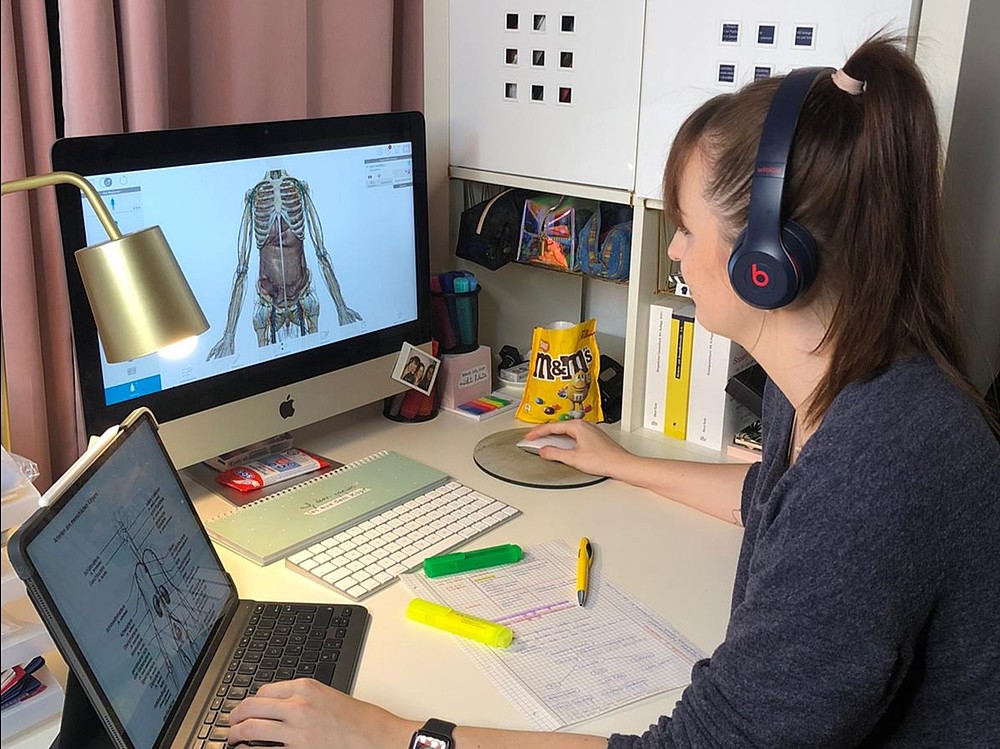
The first few weeks of the new semester have passed so quickly, and what we haven't experienced in these weeks! Face-to-face teaching and a hint of normality. But then the pandemic hit us and we were in online-only teaching for 2 weeks due to a corona case in the faculty. And now? The pandemic is raging and the number of cases is rising rapidly in our region. Despite all this, our university is sticking to hybrid teaching. What will happen next? It remains exciting and, as your roving reporter, I will of course keep you up to date! But first things first, let's take a look at what's currently happening. The semester is in full swing. Work on projects is in full swing - despite online teaching and digitalization. And the new first-year students are also slowly settling in at the university, getting to know each other, making contacts and getting to know our lecturers and professors digitally or even in person. Many hard-working students have taken on a new part-time job in the new semester or are continuing to do so. In this article, I would therefore like to give you an insight into the variety of part-time jobs in our degree program, the current mood among first-year students and the status of our new projects. Have fun!
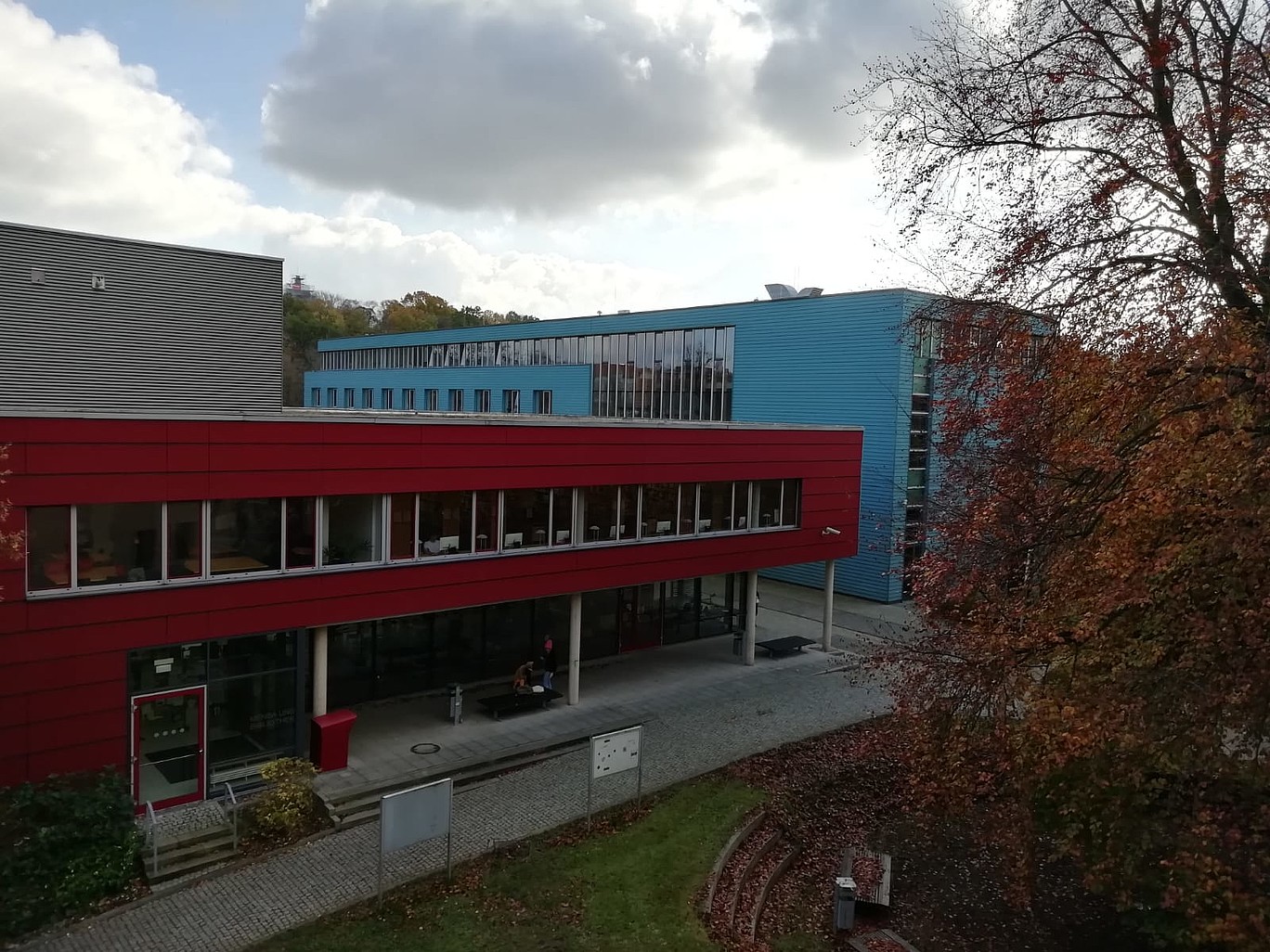
I remember back then. When I approached the university wide-eyed and had absolutely no idea where I had to go, let alone what to expect. I kept wandering around because I couldn't find the rooms. And you know what? That hasn't really changed fundamentally to this day. So, dear first-year students: make it as easy as possible for yourselves, someone from the class usually has a good overview and, yes, that's the best person to follow! And if nothing works, it costs nothing to ask (except me, you shouldn't ask me, I don't know either). Before I get melancholy, let's turn to the present: a new semester has also brought new students! The new first-year students have already had their orientation week, which unfortunately had to be shortened due to the coronavirus. In the middle of this week, the faculty had to resort to online teaching due to a Covid-19 case. Nevertheless, they had the opportunity to make contacts and get to know each other in class, for example through a chair circle within Ms. Wauer's courses. The students were also able to get to know Prof. Dr. Saatkamp, the head of the degree program, and some other lecturers and professors.
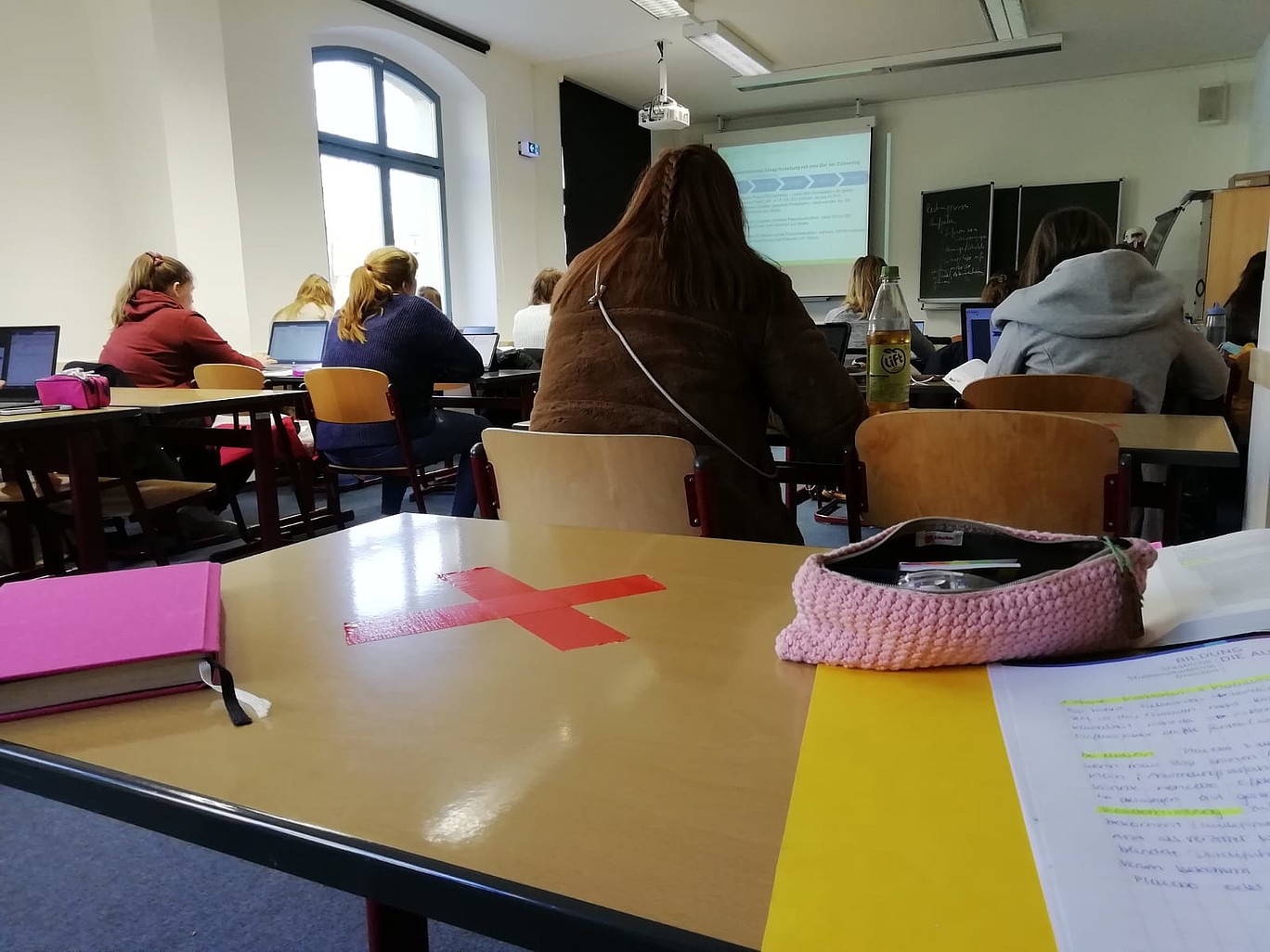
The new students have probably figured that this semester won't be the same as the semester a year earlier, for example. Hybrid teaching is also prevalent in their classes. But what is the mood of the new students? Have they had a good time settling into student life despite the corona-related measures? I asked Paul, a first-semester student on the health care management course, about this and much more. In his opinion, everyone has had a good start to their new student life so far. Paul, are you having a good time with online teaching?
"We were given an introduction to online teaching and Big Blue Button in the large lecture hall with Mr. Sommer and were all able to test it together. That's why we haven't had any problems so far. So there have been no disadvantages for us. Most of our lectures are held online, but many of our seminars can take place in person."
They have also had positive experiences in the break-out rooms at BBB, where they have been able to mix up the class and gain new perspectives on tasks. In general, however, he finds face-to-face teaching more pleasant and better for active listening and participation.
"You can talk to a few people, you can see the lecturer live. I think that's important."
There have also been some initial overloads with deadlines (as a certain lecturer in our faculty would now say: "If you're not overwhelmed during your studies, you're doing something wrong"). In general, however, most of them have arrived in their new student life and are looking forward to the new phase of their lives.
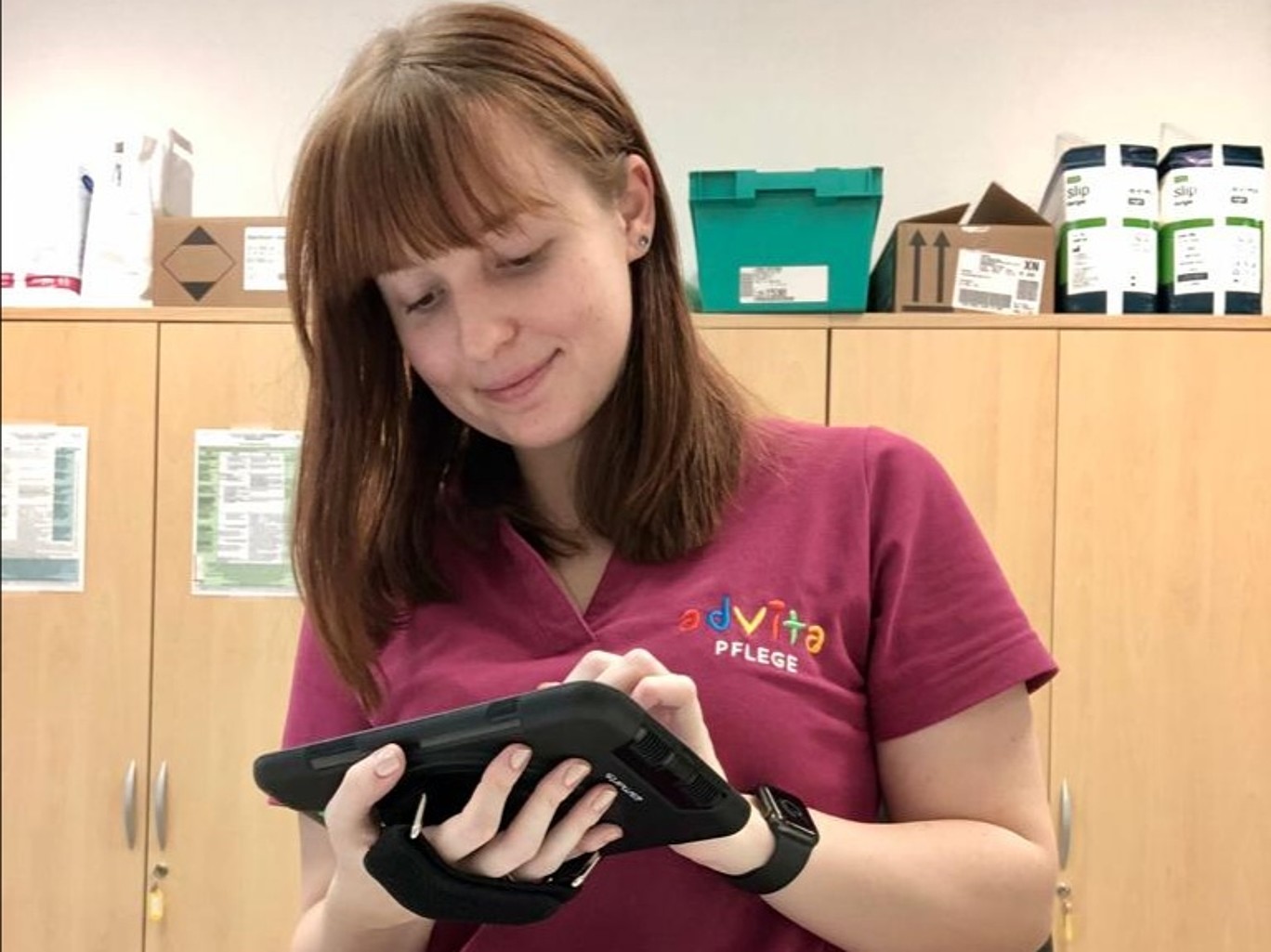
But if you want to live the life of a student, you have to be able to afford it. Some are supported by their families, others receive (additional) BAföG or take out loans. Still others work part-time and finance their own lifestyle. But how is that? Is a job alongside a full-time course of study an annoying evil or can it even be an enrichment? That's exactly what I asked fifth semester students who told me about their experiences over the last few years. One of them is Susan. Before studying, she completed a three-year training course to become a healthcare and nursing assistant. She started studying mainly because she noticed shortcomings during her vocational training, such as a lack of staff or time.
"After my studies, I would like to revolutionize the healthcare system in a way, optimize it, make processes more efficient, reduce this assembly line work and be able to respond to patients more individually again."
Alongside her studies, she is currently working for an outpatient nursing service, and has been doing so since December 2018. To work there, she needed to pass a state examination, as she is employed as a specialist. She also has to undergo regular training. For Susi, the job alongside her studies is definitely demanding, as it takes a lot of coordination, flexibility and organization to juggle the two.
"But I also see it as an enrichment, as I can contribute a lot to the nursing science module in my degree course this semester, for example. The people are also an enrichment, especially now in Corona times. You also take people into your heart."
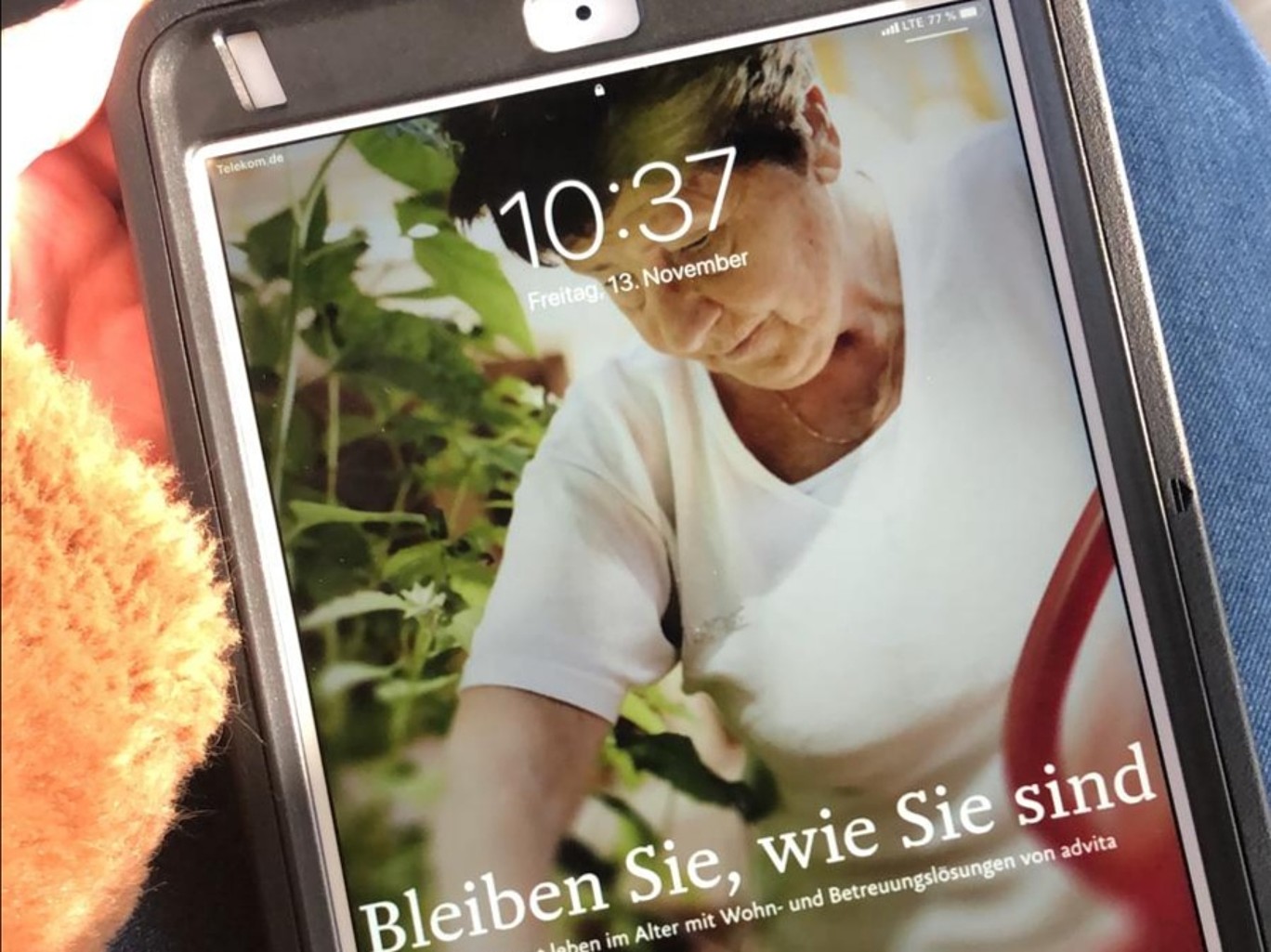
Mandy, a student in her fifth semester, was also able to gain professional experience before her studies. After completing a commercial apprenticeship and working in the field for a few years, she spent a year doing voluntary development work in the Philippines in 2017.
"This volunteer work ultimately led me to the decision that I wanted to go into the field of health. Unfortunately, a functioning healthcare system cannot be taken for granted."
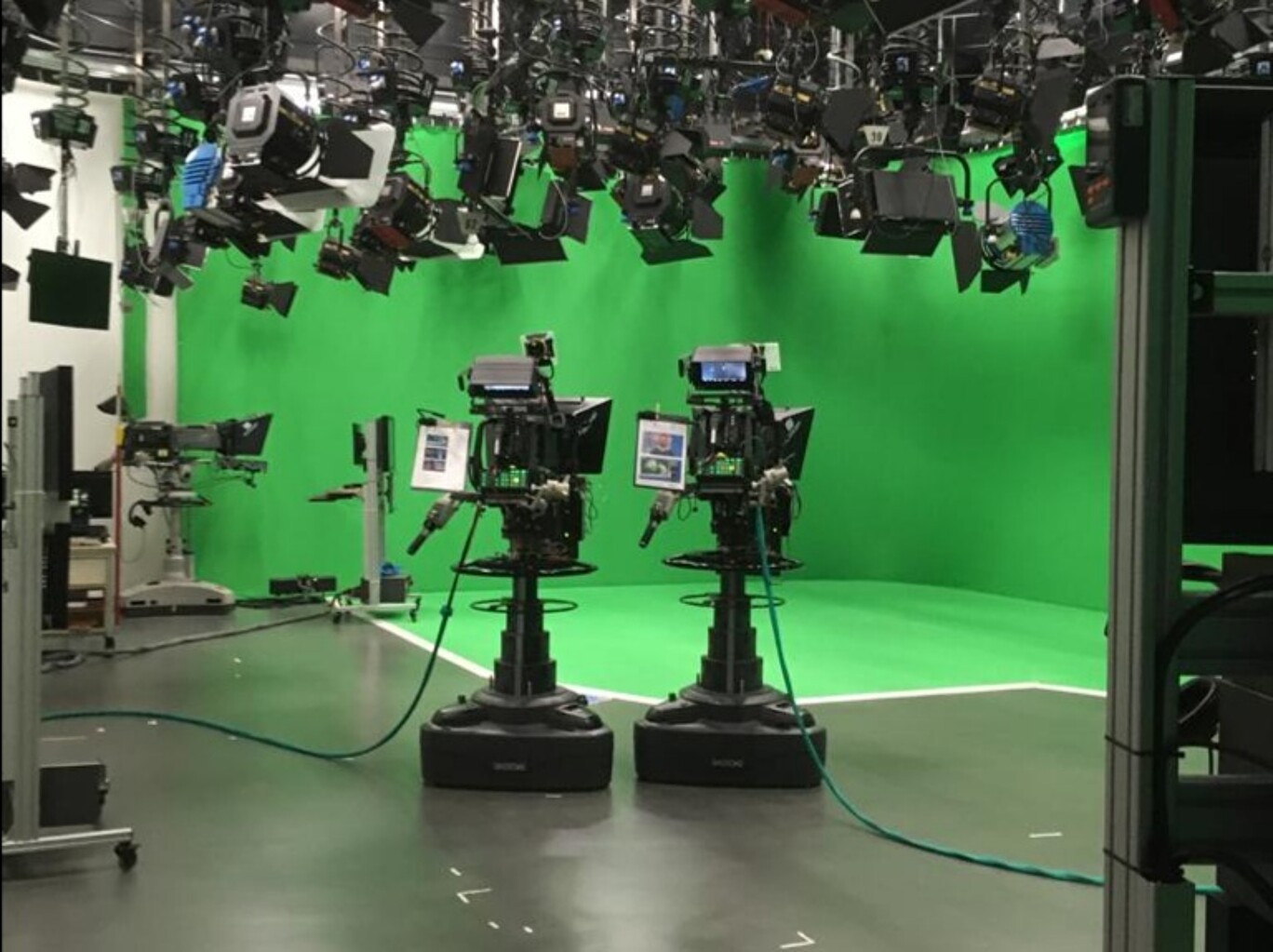
An extraordinary FSJ followed by an extraordinary part-time job, as Mandy currently works for MCS Dresden GmbH. In German: at Mitteldeutscher Rundfunk as a sound assistant in the broadcasting studio in Dresden. There she assists the sound engineer, attaches microphones to the presenters and controls the sound during the broadcast (Sachsenspiegel) and during the weather recording for Saxony and Saxony-Anhalt. For her, the work is enriching because the job is fun and you always have to deal with new, great and interesting people. She also finds it interesting to be able to look behind the scenes at a television station. As she has fixed working hours, she can perfectly align her studies with them.
To whom are all cancer reports from general practitioners and doctors in hospitals reported? That's right, the clinical cancer registry. Here, too, there is the opportunity to work alongside your studies. Lisa from the 5th semester is currently pursuing this option. After graduating from high school, she completed vocational training as a medical documentation assistant and then worked for five and a half years in the colorectal cancer center at the municipal hospital in Dresden. She describes her time there as exciting, but her desire for further professional training grew, which is why she ultimately decided to study with us. Her tasks in her current part-time job include recording incoming tumor reports and carrying out plausibility checks. It is therefore essential to have previous medical knowledge for this work.
"Working alongside my studies is not stressful for me personally, because I was able to get credit for exams through my vocational training. This gave me more time alongside my studies. I've been able to extend my contract flexibly so far and can assess for myself how many hours I can work and when I can come in. In addition to the money, another motivation is of course that I can stay in practice."
For Lisa, the part-time job is a perfect balance to everyday university life, an extra income and a great change of pace. As you can see, there are many ways to earn a little extra money alongside your studies. Sometimes you just have to think outside the box. Oh, and by the way: the HSZG often sends out job offers from companies as well as job offers from the university itself by e-mail. So, always stay up to date with your university email account, because it's often first come, first served!

Now that I've told you so much about the things you can do to earn extra money alongside your studies, let's get back to the main point: your actual studies. Because here, too, a lot has happened in the last month. Some of the projects I told you about in the last article (you can find the link below) have started. One of them is the project in Public Health with Ms. Wauer. This revolves around prevention services for students at our university during the pandemic. In this context, the students in the 3rd semester first dealt with the question: what does illness actually mean to me? What model of illness can I find myself in? Many self-awareness tasks are on the agenda, such as walks in the forest, relaxation exercises for the evening, preparing the room for sleeping, or how to keep in touch with people who live far away. Students can choose for themselves which anti-stress measure appeals to them personally and which they want to try out. So it's all about self-awareness within the field of prevention, because all theory is useless if you can't put it into practice. And especially now, in the middle of the pandemic, we should all take good care of ourselves and our health.
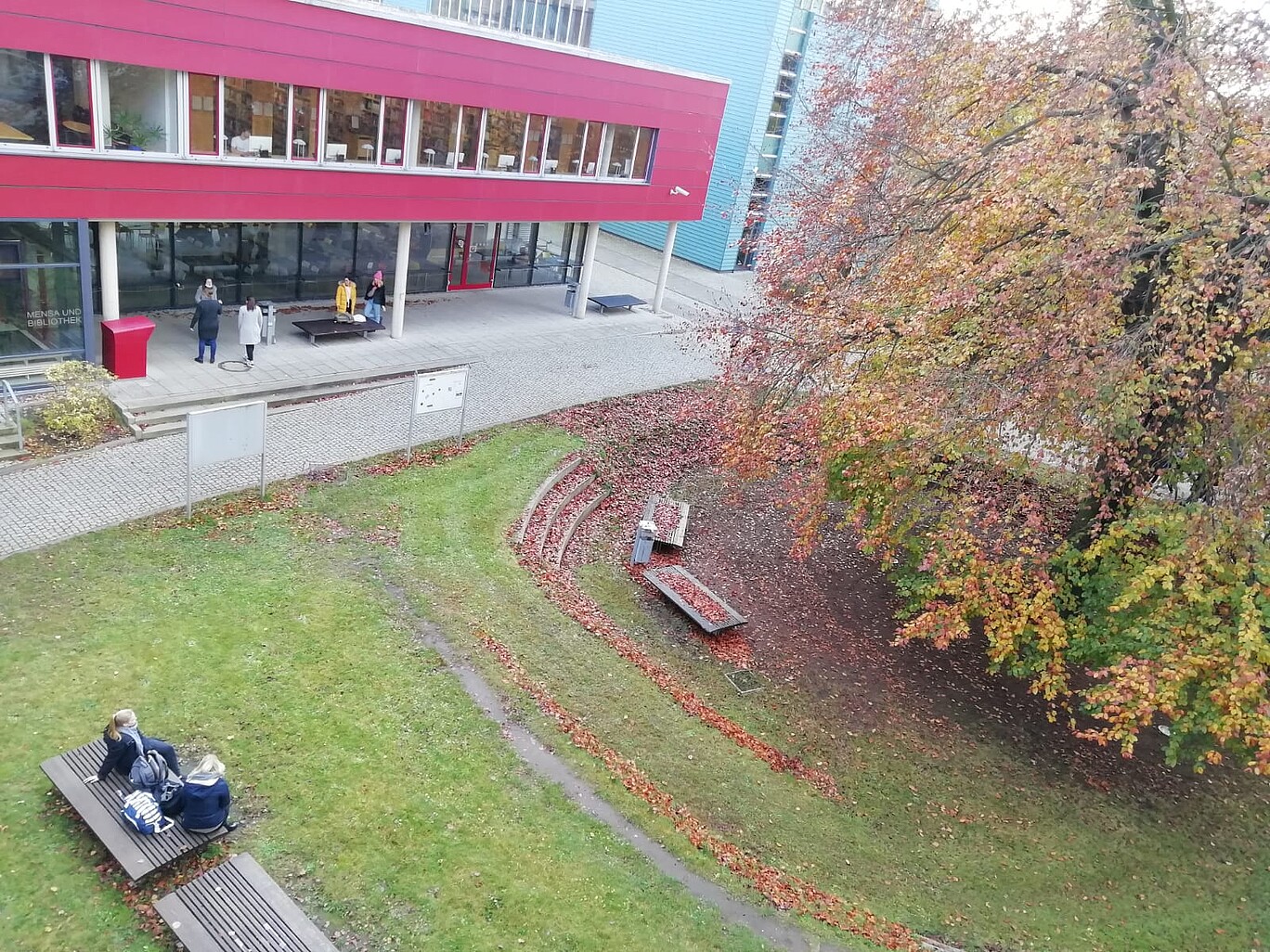
The 5th semester students' research project is also in full swing. Ms. Wauer and Prof. Dr. Knoll are supervising the project. This is looking at the situation of people with disabilities who are retiring from working life and the associated care situation. Ms. Wauer, how is the project going so far?
"For the first time in all these years, I've put the pedal to the metal. By producing an overall result in the individual groups this time, I can also give certain groups the time they need. Everything can now be thought through to the end, everything can be thought through, and there is no need to quickly jump over the research gap, research question and method."
I can report from my own experience: we really do go through each step individually and calmly, and have spent a long time working intensively on the exposé. This will benefit us for the Bachelor thesis, which will be completed next semester. For now, however, the starting signal for the methodology has been given. This means that the guidelines for the interviews are slowly being drawn up and appointments for these interviews are being made with the interviewees.
But another project that I didn't mention in the last article is also in full swing. Ms. Wauer's personal hobbyhorse: a voluntary project about Citavi and academic work. Students from the entire faculty can take part every second Wednesday from 2 to 4 pm. Here you can learn about research processes from a different perspective and see the sense and nonsense of Citavi, including its administration and utilization. Highly recommended for documents, whether as a preliminary examination or as an examination document, or even for your Bachelor thesis. If you are interested, please contact Ms. Wauer at any time and learn how you can simplify citing with the program and how you can quickly distinguish scientific from non-scientific sources. Join the team!
Otherwise, have a great time, make the best of it and always take good care of yourself and your well-being!
Annelie Kolumna - roving reporter of the "Health care management" program