Practical learning for sustainable tourism development - in an exciting cooperation between the Seifhennersdorf windmill and the Master's degree program in International Tourism Management
Author: Sebastian Benad
In an exciting cooperation between the Seifhennersdorf windmill and the International Tourism Management course, an ambitious project recently reached a successful degree. Under the direction of Sebastian Benad and Markus Kranich, the managing director of the windmill, the students have expanded their academic and practical skills and provided significant impetus for regional family tourism.
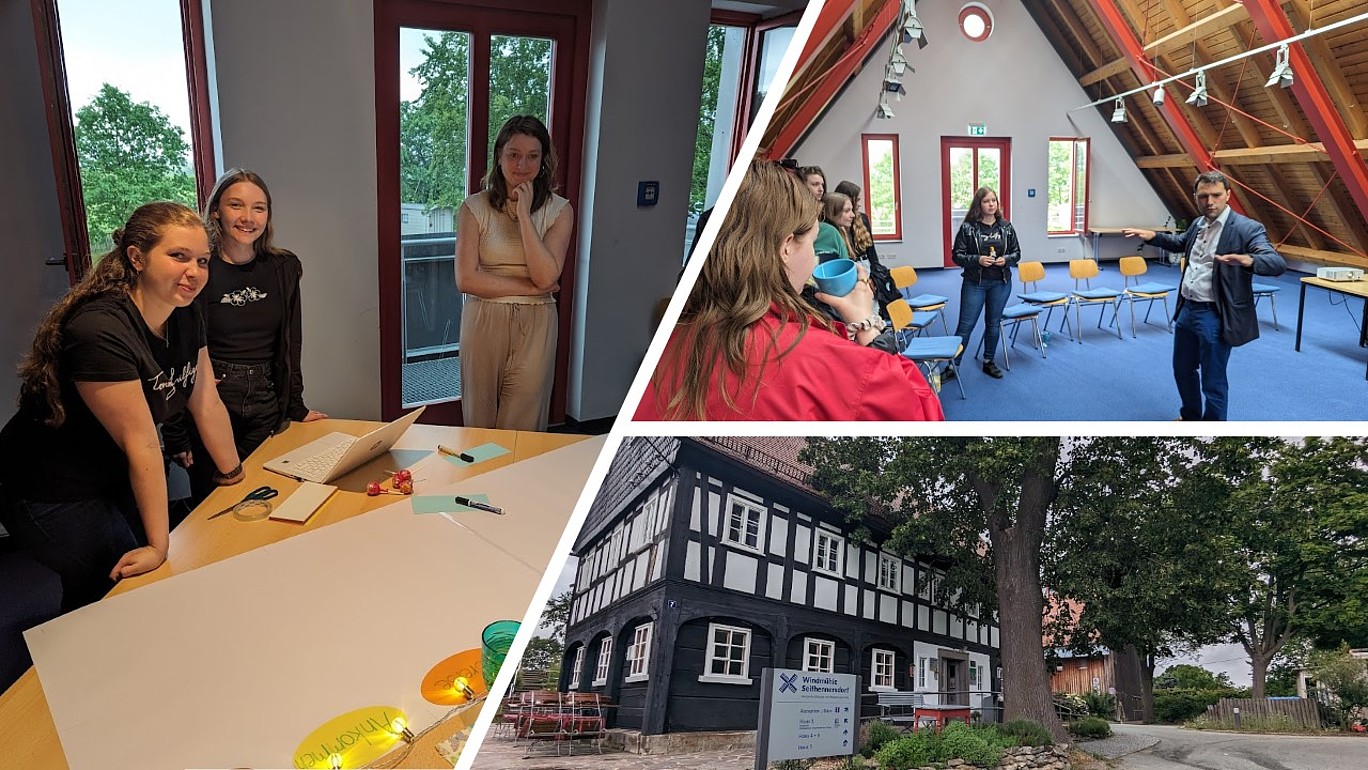
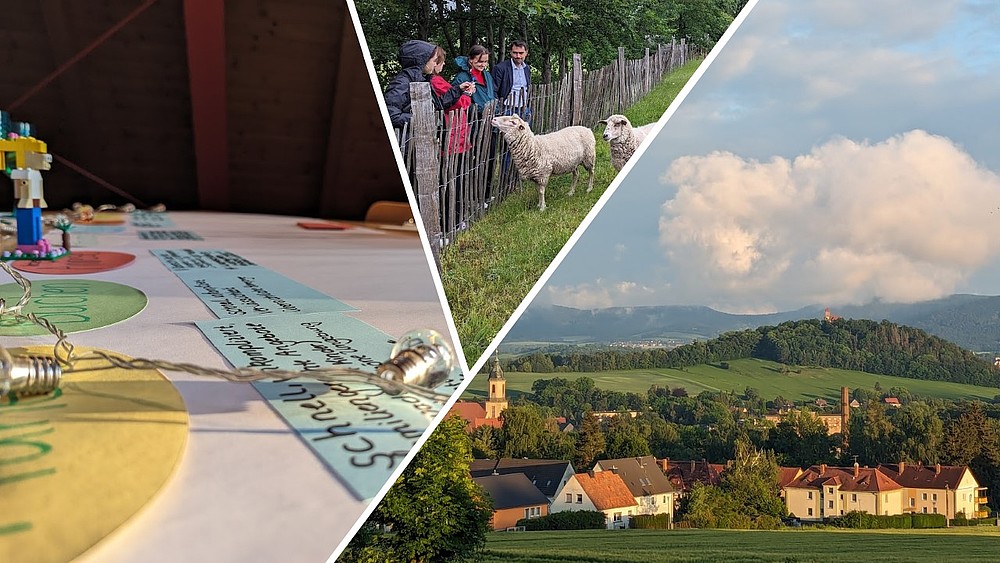
Throughout the semester, various workshops and seminars were held that focused intensively on design thinking methods. The sessions in which students used Lego sets to create prototypes of their ideas were particularly innovative. A central part of the project was a 2-day hackathon, which took place in the windmill and enabled the students to turn their theoretical knowledge into practical solutions. The final pitch in front of the representatives of the windmill and the academic management was the highlight of the project. The variety of ideas ranged from innovative marketing strategies and unique experience concepts to sustainable tourism offers specifically geared towards family tourism.
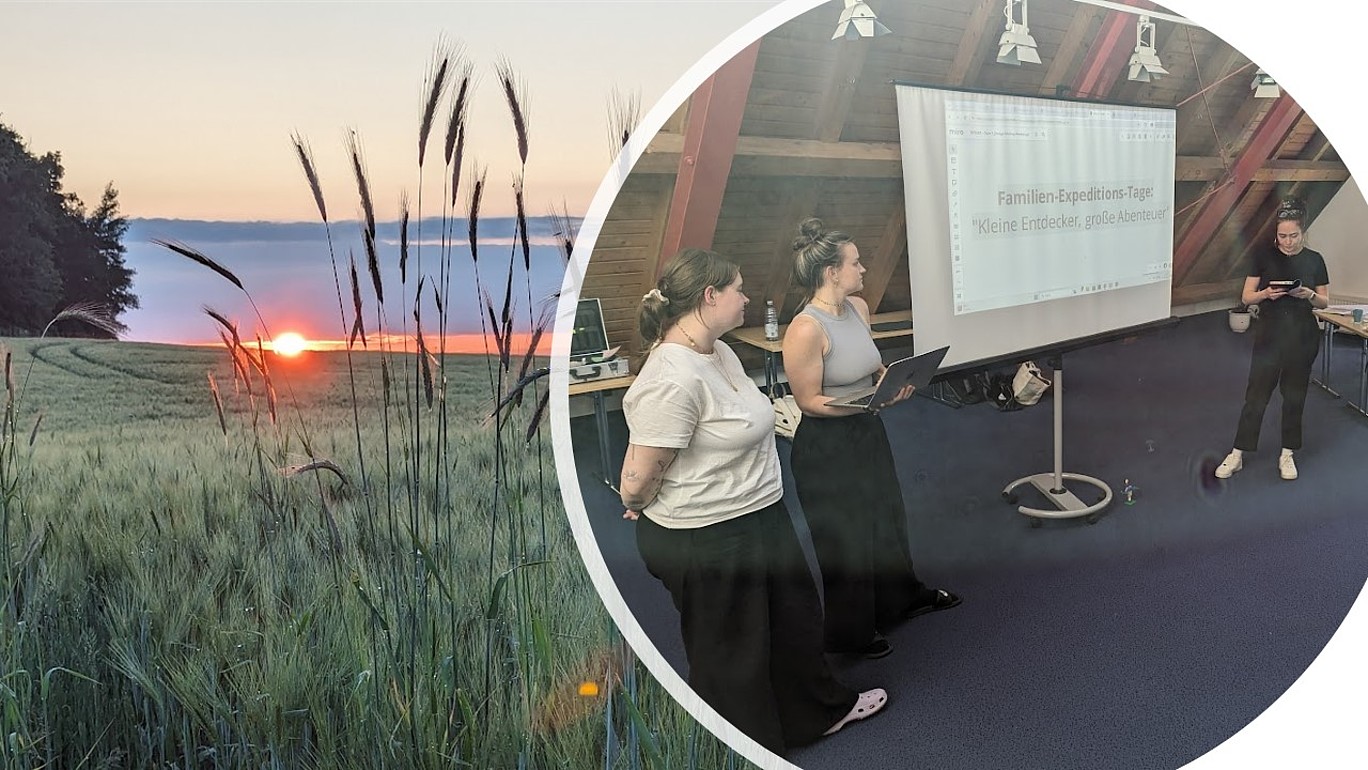
The Seifhennersdorf windmill was particularly impressed by the depth of the analysis and the creativity of the students' solutions. Specific examples of the positive feedback included praise for innovative marketing strategies and sustainable tourism concepts. Some of the ideas presented were seen as promising approaches for real-life applications and were included in the planning for further discussion and possible implementation. The evaluation of the student projects was based on specific criteria such as degree of innovation, practicability and potential impact on tourism in the region.
Due to the success and positive response, the collaboration between the windmill and the degree program will continue. Some of the ideas developed could be implemented as pilot projects, or a permanent partnership could be established for the ongoing development and implementation of student ideas. This project is a shining example of how creative educational approaches can make tourism sustainable and how hands-on learning enables students to contribute their skills directly to the local economy.