On the first day, the location analysis for the city with the UNESCO World Heritage Site "Fürst Pückler" Park was on the agenda. On the one hand, the students of the second semester had dealt with the topic of UNESCO World Heritage Sites as part of the Tourism Economics module and, on the other hand, they worked out the scientific procedure of a site analysis, which should be carried out as an analytical basis in the run-up to every tourism concept. The evaluation forms created in preparation for the excursion were used by the students to precisely describe and evaluate the tourism offer, taking into account the special responsibility of a UNESCO World Heritage Site. In addition, the criteria and evaluation proposals were subjected to a practical test. An initial evaluation was carried out the same evening at the IBA Study House in Großräschen, where the students also spent the night.
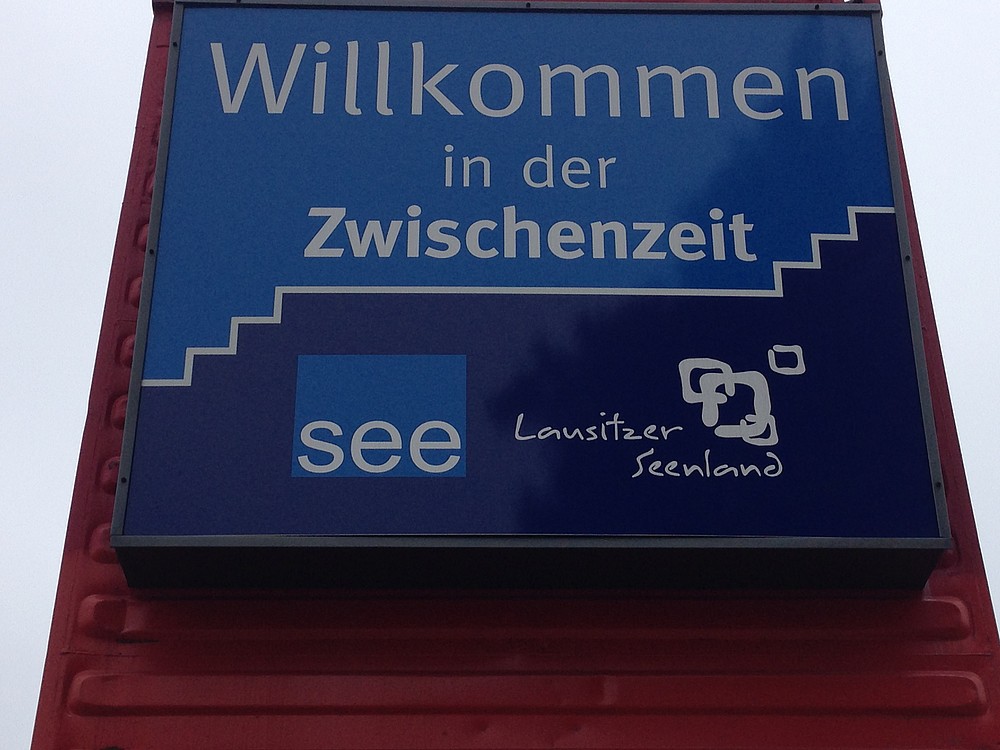
The next day was dedicated to discovering the tourist attractions of what was once the largest man-made chain of lakes in Europe, a landscape that is currently undergoing change. Marcus Heberle, Deputy Managing Director of the Lausitz Lakeland Tourism Association, explained the enormous challenges facing a destination that spans two federal states (Saxony and Brandenburg) and has been developing and changing for years.
The students learned interesting facts about the history of the region with its open-cast mining landscapes, looked down from the visitor platform into the still active Welzow open-cast mine, visited tourist attractions that have already been created, such as the so-called "Überläufer". They also visited the town harbor in Senftenberg, the lighthouse hotel on Geierswalder See, which opened a year ago and was certified with four DEHOGA stars last week, as well as the "rusty nail" landmark.
The students marvelled at innovative tourism infrastructure developments at the Koschen Canal and the Floating Houses.
Prof. Dr. Ute Pflicke
Head of the Tourism Management Master's degree course