
Event details
„Ein Wohnzimmer für alle“ – Wie Studierende das House of Managers 2026 in Görlitz gestalteten
Studierende gestalten Hochschule als Erlebnisort
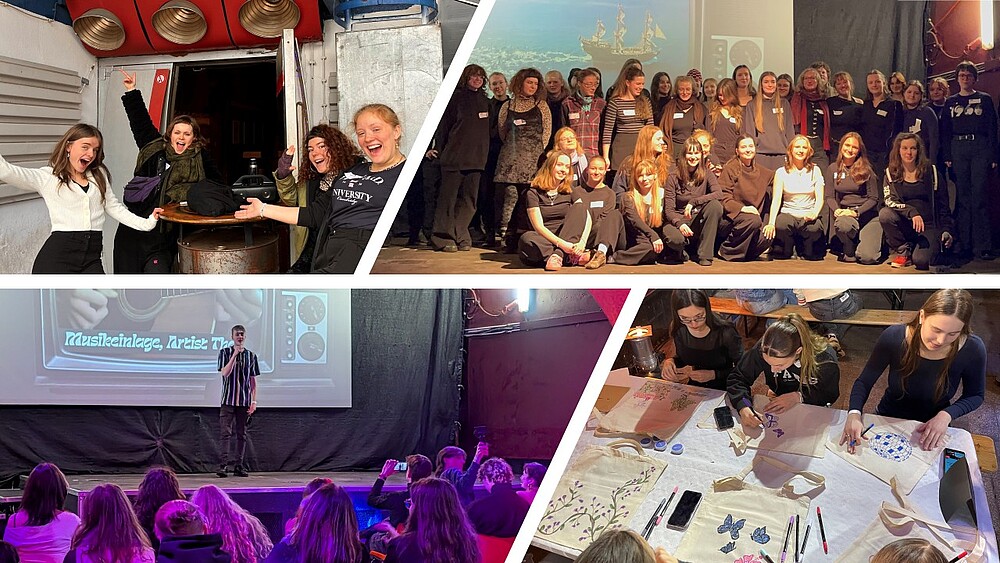
Ein inspirierender Rückblick auf ein Lehrprojekt, das Hochschule neu denkt
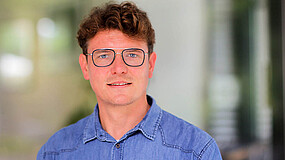
Autor: Sebastian Benad
Görlitz, Januar 2026 – Wie sieht Hochschulkultur aus, wenn sie nicht top-down gestaltet wird, sondern von Studierenden selbst? Wenn Theorie nicht nur angewandt, sondern gemeinschaftlich erlebt wird? Das House of Managers 2026 (HoM26) war mehr als eine gelungene Veranstaltung – es war der sichtbare Ausdruck innovativer, studierendenzentrierter Lehre an der Fakultät Management- und Kulturwissenschaften der Hochschule Zittau/Görlitz.
Konzipiert, geplant und umgesetzt wurde das Event im Rahmen mehrerer Module aus verschiedenen Studiengängen – von Tourismusmanagement bis Kultur und Management. Unterstützt durch ein Startnext-Crowdfunding und begleitet von Lehrenden verschiedener Fachrichtungen, wurde das HoM26 zu einem eindrucksvollen Beispiel für modul- und studiengangsübergreifende Projektarbeit mit Wirkung.
Vom Modul zur Bühne – wenn Lehre Wirklichkeit wird
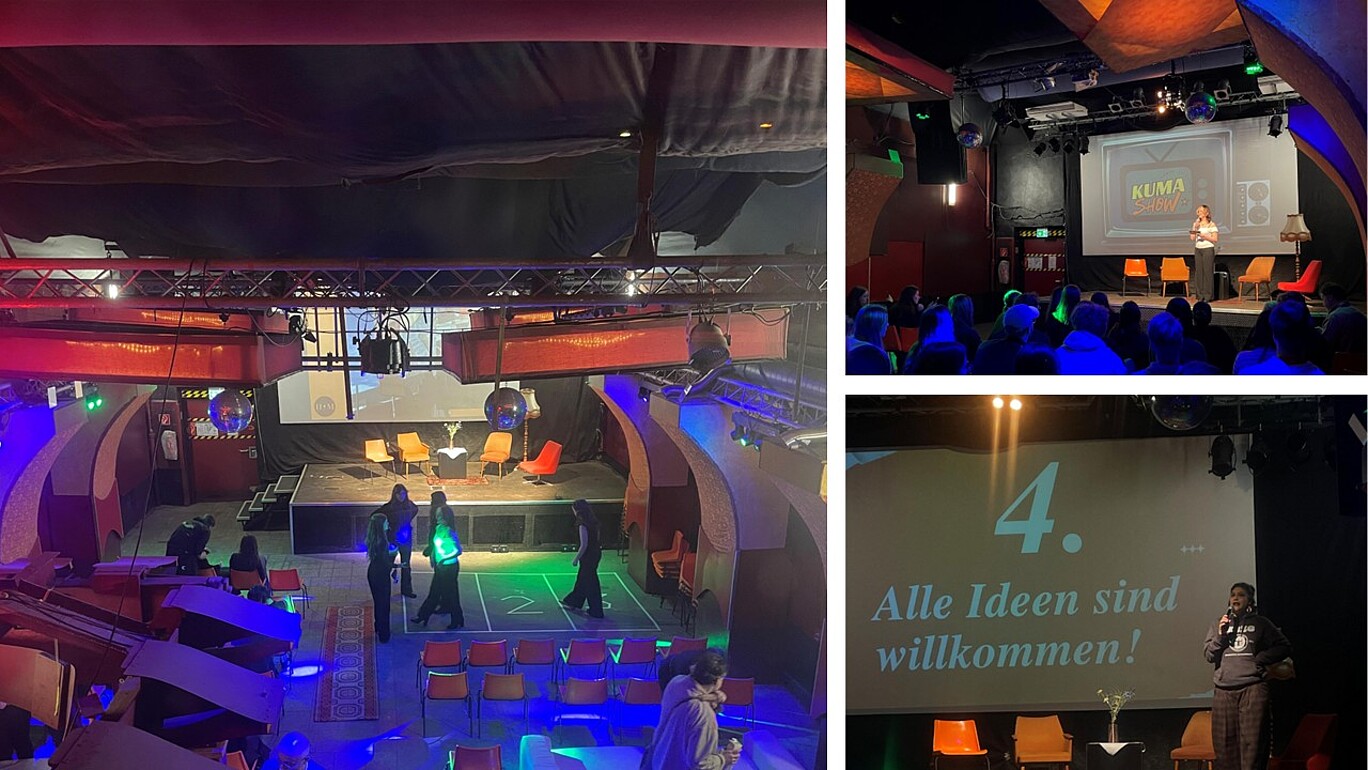
Die Idee für das House of Managers 2026 entstand nicht am Reißbrett eines Organisationsteams, sondern direkt aus der Lehre heraus: Studierende des Studiengangs Tourismusmanagement entwickelten im Rahmen des Eventmanagement-Kurses im 5. Semester das Veranstaltungskonzept – von der Dramaturgie über das Raumdesign bis zur Ablaufplanung.
Zeitgleich übernahmen Studierende des 1. Semesters Kultur und Management im Modul Projekt- und Eventmanagement konkrete Umsetzungsschritte. In internen Arbeitsgruppen planten sie:
- die Bühnenmoderation und dramaturgische Gestaltung,
- den Escape Room als kooperatives Spielkonzept,
- die Musik- und Kreativangebote,
- alle Elemente der Logistik, Technik und Sicherheit,
- sowie PR, Kommunikation und Interaktion.
Begleitet wurde das Projekt von Lehrkräften beider Studiengänge, die ihre Rolle bewusst erweiternd verstanden: nicht nur als Prüfende, sondern als beratende Coaches in einem dynamischen Entwicklungsprozess.
Was auf dem Papier begann, wurde zur gelebten Praxis: Verantwortung wurde übernommen, Rollen verteilt, Ideen konkretisiert und Herausforderungen gemeinsam gelöst.
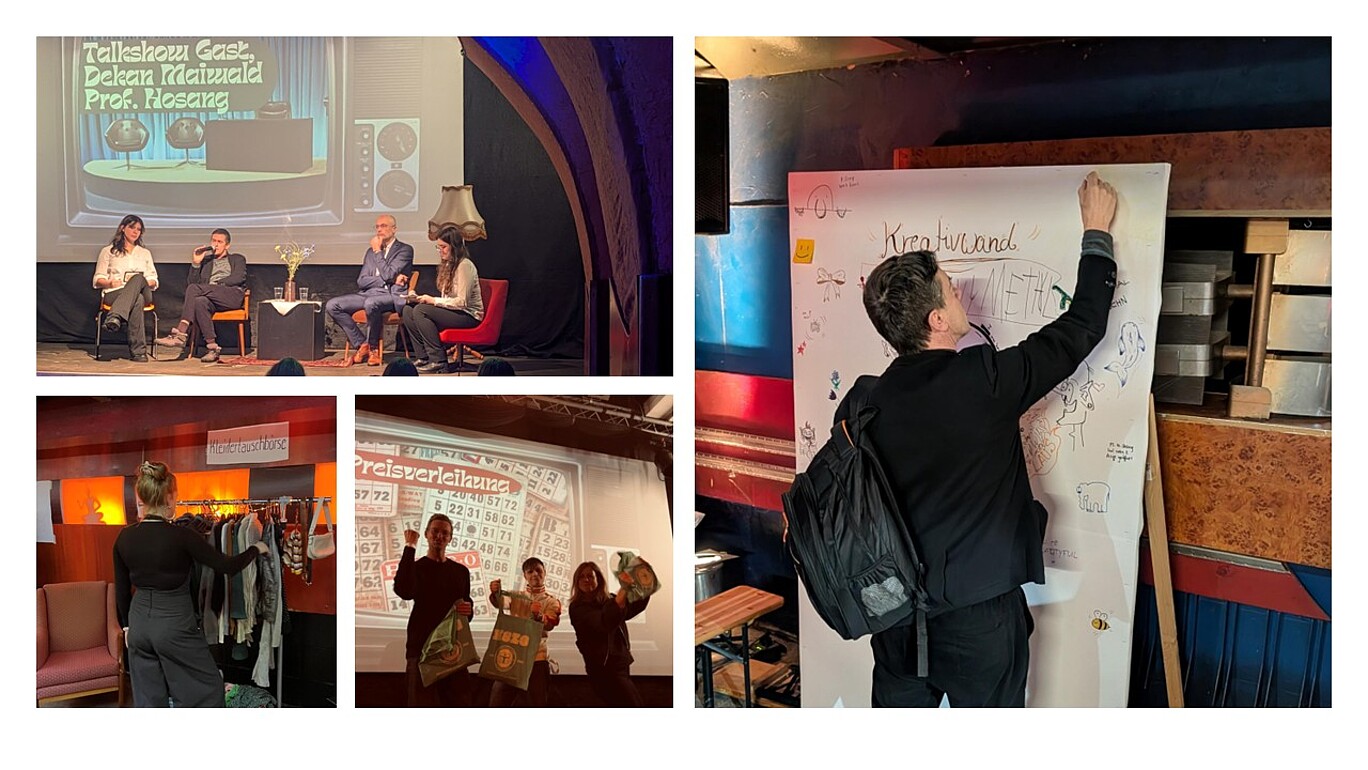
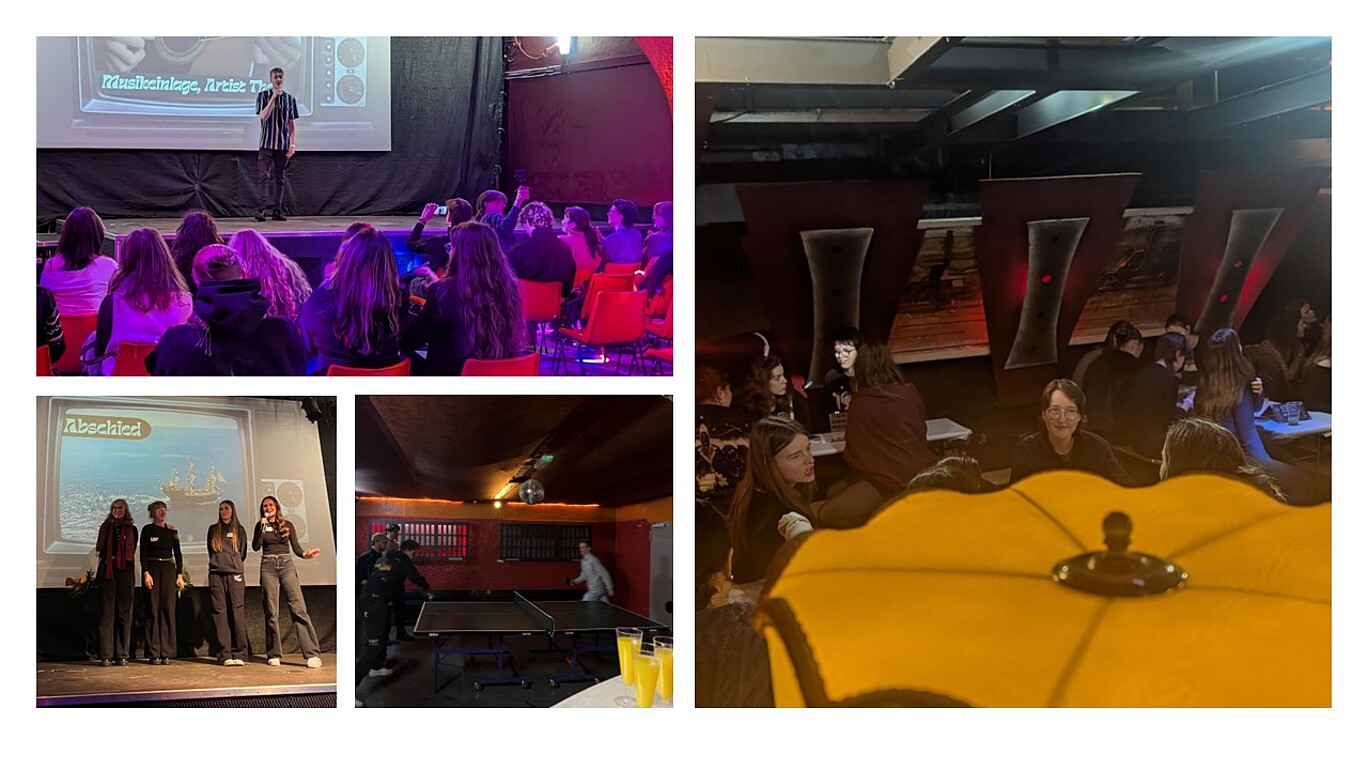
Das Ergebnis: ein Nachmittag, an dem das Görlitzer Nostromo – eine alternative Veranstaltungslocation mit subkultureller Prägung – zum echten „Fakultäts-Haus“ wurde: mit Wohnzimmer, Küche, Hobbykeller, Kinderzimmer und Bar. Mit Bühnenprogramm, Musik, Kreativräumen, einem eigens konzipierten Escape Room – und vor allem: mit echter Begegnung auf Augenhöhe.
Digitale Innovation trifft Finanzrealität – Praxis mit Haltung
Auch die digitale Infrastruktur und Finanzierung des Events waren integrale Bestandteile der Lehre. Im Digitalisierungsmodul (5. Semester Kultur und Management) entwickelten Studierende die begleitende Event-App: Sie bündelte Informationen zu Stationen, Zeitplan, Raumzonen und interaktiven Aktionen – und wurde während der Veranstaltung rege genutzt.
Gleichzeitig entstand im Finanzierungsmodul desselben Studiengangs eine Crowdfunding-Kampagne auf Startnext, die nicht nur finanzielle Mittel einbrachte, sondern auch die Community aktivierte: Lehrende, Mitstudierende, Ehemalige, Familienangehörige und Unterstützende aus der Region trugen dazu bei, das Projekt zu ermöglichen. Die Kampagne stand unter dem Motto „we are family – fühl dich wie Zuhause “ – ein Versprechen, das eingelöst wurde.
Ergänzt wurde dieses Angebot durch den begleitenden Instagram-Kanal, der bereits im Vorfeld Einblicke in Konzept und Planung gab, Beteiligungsmöglichkeiten kommunizierte und über Stories und Posts zur Mitgestaltung einlud. Auch nach dem Event bleibt der Kanal ein Ort für Rückblicke, Inspiration und Austausch.
Ein Wohnzimmer, das verbindet – und gemeinsame Maßstäbe setzt
Was bleibt? Sicherlich viele Erinnerungen – an den gemeinsamen Line Dance, den Nervenkitzel im Escape Room, das herzliche Miteinander an der Bar. Aber auch: ein Beweis dafür, wie wirksam projektbasierte Lehre sein kann, wenn sie Verantwortung überträgt und Studierenden echten Gestaltungsspielraum gibt.
Das House of Managers 2026 verkörpert in idealtypischer Weise die Ziele der Fakultät F-MK: interdisziplinär, praxisnah, kreativ und inklusiv. Es zeigt, was möglich wird, wenn Lehre nicht nur Wissen vermittelt, sondern Räume schafft, in denen sich Persönlichkeit, Perspektiven und Profession entfalten können.
Dank der kollegialen Zusammenarbeit zwischen Lehrenden verschiedener Fachrichtungen und der engen Verzahnung von Theorie und Praxis wurde das House of Managers zu einem großartigen Lehrprojekt – mit Wirkung über den Tag hinaus.
Ansprechperson:
1st floor