
Field report of the intervention-oriented internship
From September 2019 to February 2020, I completed my internship as part of my social work studies at the Zittau/Görlitz University of Applied Sciences in Indonesia at the Bali Children Foundation, which was founded as a non-profit organization by Australian Margaret Barry in 2002. The fundamental aim of the organization is to give socially disadvantaged children access to education and thus free them from the cycle of poverty. Often the parents have no or only very poorly paid work and therefore cannot afford to send their children to school. The Bali Children Foundation awards scholarships, looks for sponsors for the children, offers so-called "teacher training" in schools to improve the quality of teaching, implements curricula in schools, offers courses on topics such as health, STEM, nature conservation, hygiene, dance and yoga and also tries to involve the parents in these courses.The Bali Children Foundation also carries out so-called "health check-ups" in schools together with doctors to check how the children are doing physically and mentally. Health Check Ups include vision tests, hearing tests and dental checks, for example, but also conversations with children where they can talk about certain problems. In addition, there are always events organized by the Bali Children Foundation to attract sponsors and raise funds for projects. To date, the organization has been able to help 7900 students from 54 schools and support 32,000 people from 76 villages through its community work.
During my internship, I worked on a project called the "Pen Pal Project", in which Indonesian students were to form pen pals with Australian students. The aim of the project was, of course, to improve the students' language and writing skills and to establish contacts with other schools. However, it was also very important for me in this project that the children would acquire intercultural skills and make friends. We talked a lot about cultural and linguistic differences, but also similarities, and the children were enthusiastic about learning about another culture.
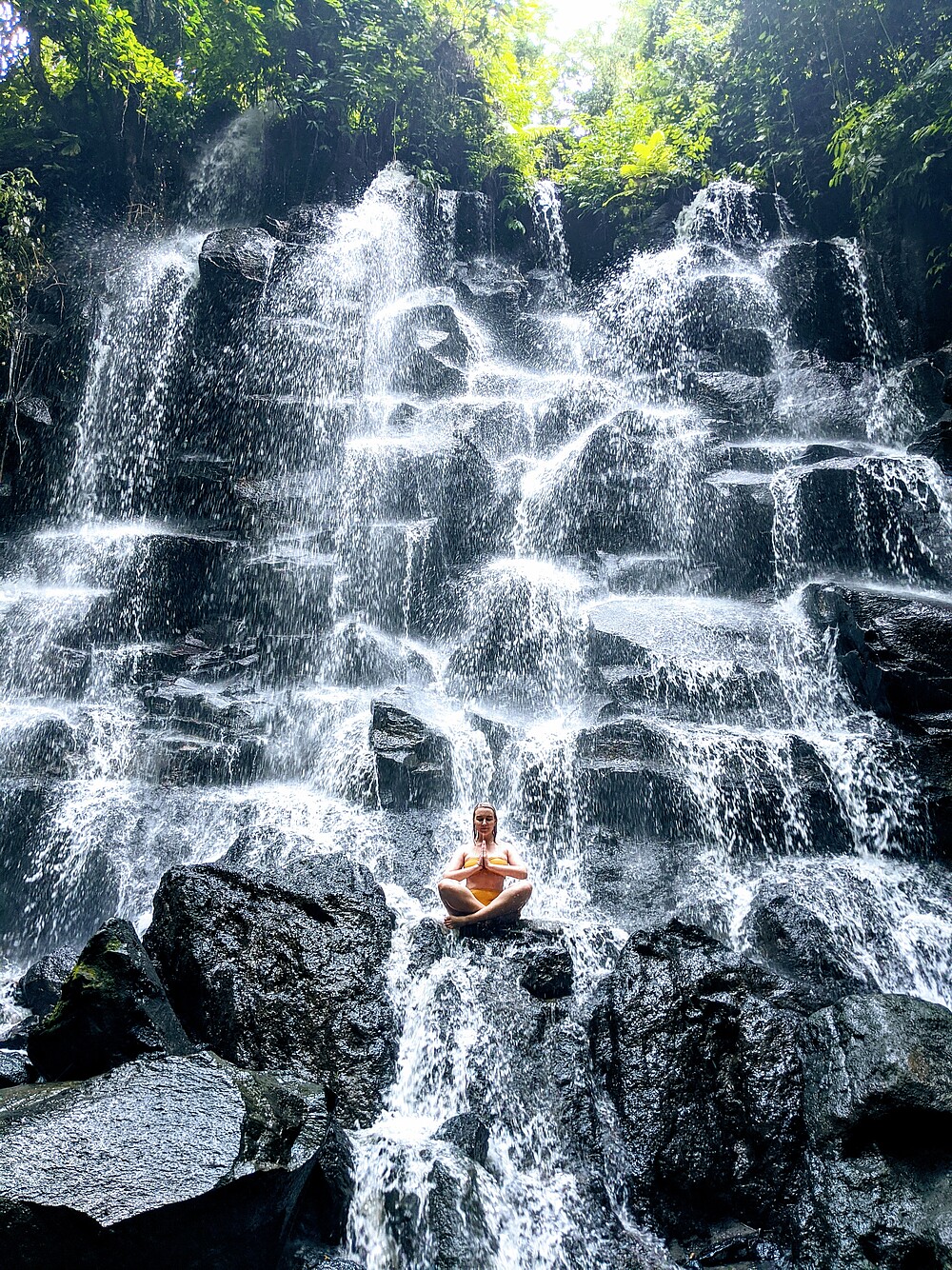
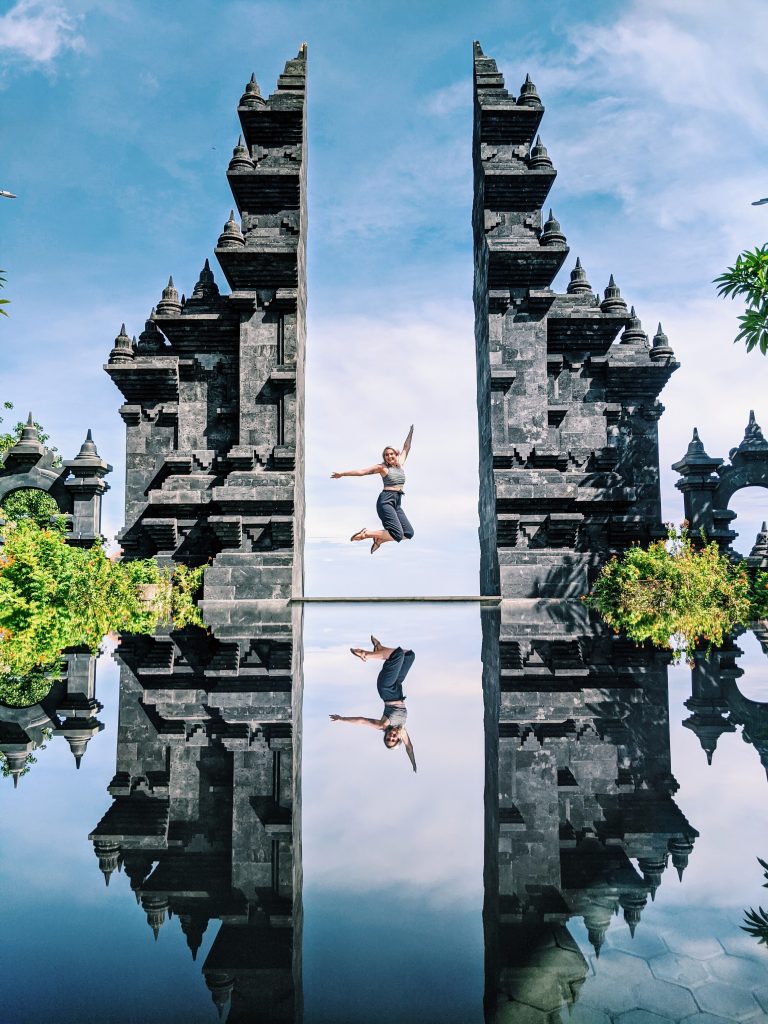
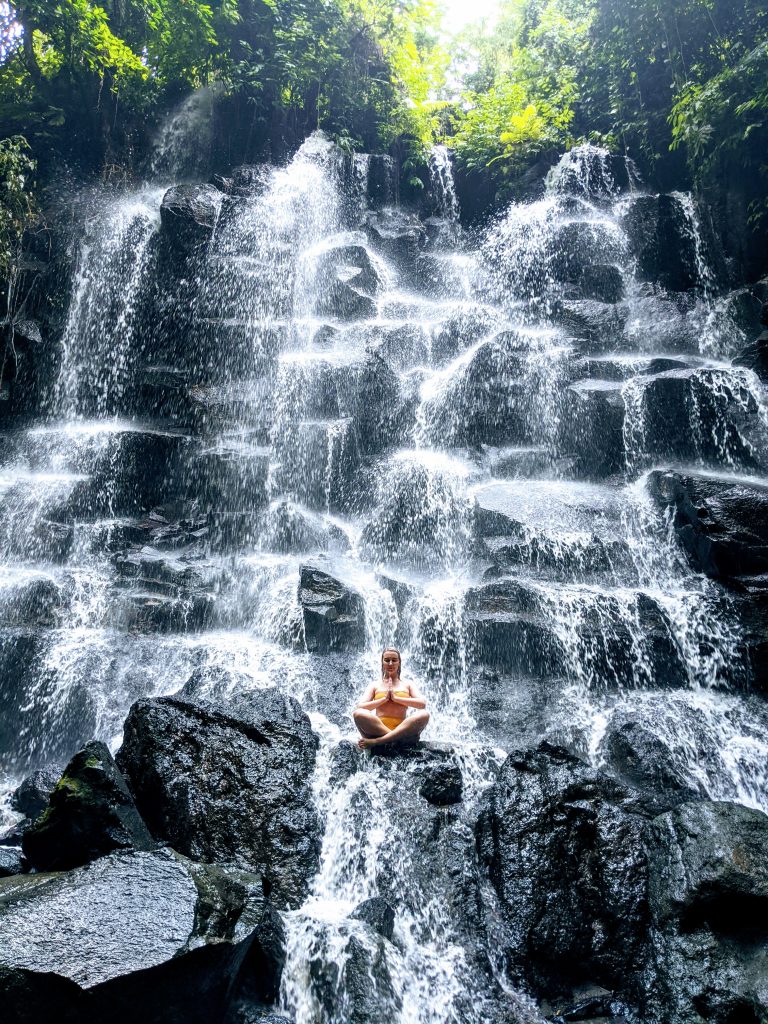
It was also very exciting for me to learn about Balinese island life, which is why I really appreciated the exchange with the students and my colleagues. I got to know different types of food, such as babi guling and nasi campur, and ate for little money every day in warungs, which are small restaurants that sell street food. My life in the north of the island consisted of beach days, yoga, exploring waterfalls and temples, scooter rides in the mountains and, of course, visiting different schools as part of my internship. It was incredibly interesting for me to see how children in Indonesia go to school and under what conditions they learn. One school in particular stuck in my mind: we visited an elementary school in a mountain village several times, where I carried out the Pen Pal project with the children. They were immediately enthusiastic about the project, but this was certainly partly due to the fact that I was a Bule, i.e. a Western tourist, and they were simply fascinated by me. Only a few tourists get lost in this part of the island, which is why I was an absolute highlight for the children. However, this was only an advantage for me, as we had planned a long day full of writing exercises and health check-ups with doctors, which required the children's attention. What particularly struck me at the school was, on the one hand, the sports field, which consisted of a few stone slabs on the ground, which heated up a lot in the sun and therefore did not provide a good basis for physical education, and, on the other hand, the stuffy hot classrooms. Of course, these did not have expensive air conditioning systems, but only a small fan, which made learning and teaching a sweaty ordeal. Nevertheless, the pupils seemed happy to be able to attend school, as this is not a matter of course, especially in this part of the island, which is characterized by poverty. We also visited some children at home as part of a film project about the lives of Balinese pupils. We got to know their families there and they showed us their houses, in which three generations usually live together in one or two rooms. There is rarely running water, which is why water canisters are regularly provided and rainwater is also collected. While this is not a problem in the rainy season, the dry season poses a major challenge: during the first three months of my stay in Bali, it had not rained a single day, which is very difficult for the many families who rely on the rain. I am grateful that I was able to meet so many great, strong and caring families and the internship was very educational for me, but also very sobering.
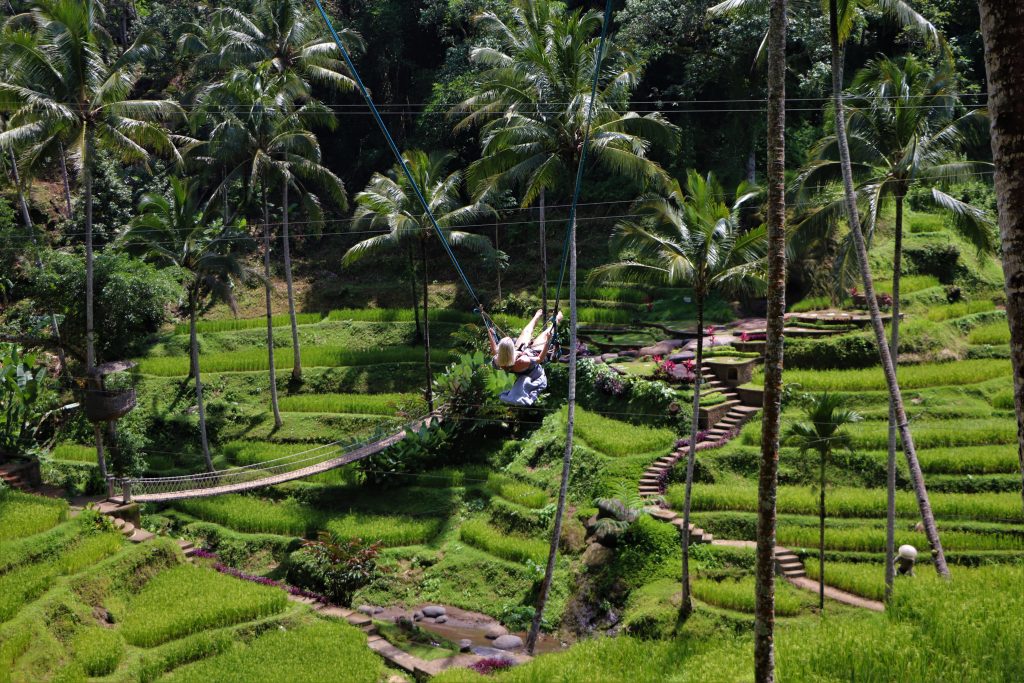
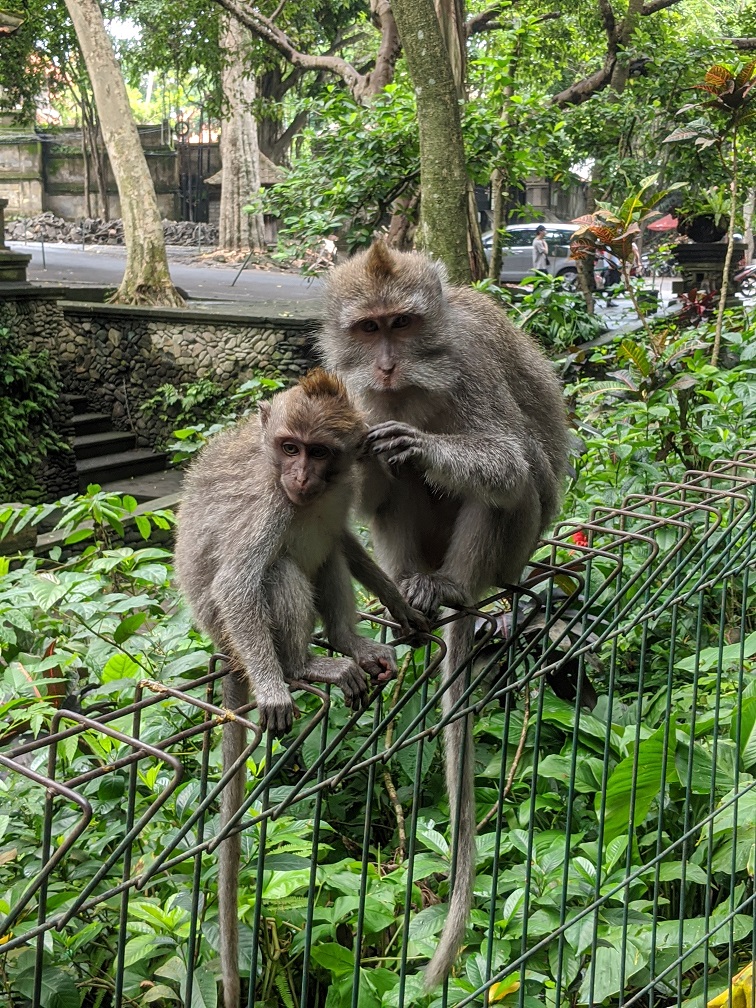
In stark contrast to all the poverty and injustice I encountered is the south of Bali, where the expats and tourists have settled. The far more popular area around Kuta is known for its villas, parties, spas and surf spots and I was able to get to know this corner of the island too. I usually went there at the weekends to relax after the working week and meet people from all over the world. I made a lot of friends there and we explored other parts of the island together. We went on motorcycle tours together, went snorkeling, took cooking classes, climbed a volcano, visited beach clubs, explored the many small islands around Bali, looked at the rice terraces, explored the countless waterfalls, ate exotic fruits and saw dolphins and monkeys. I am very happy that I was able to meet so many great people and discover the different sides of Bali. The island has so much to offer and I can only recommend a visit to everyone.
All in all, the internship experience was a very special one for me and I will always look back on it with a smile.
Vivien Marschke, 20.05.2020