
A report by Julius Pahl
From February to July 2020, I was in Bethlehem at the Palestine Museum of Natural History to complete my internship semester there as part of my ecology and environmental protection studies . The museum is an institution that also includes the Palestine Institute for Biodiversity and Sustainability and a botanical garden with an adjoining community garden . The institution is based on three pillars: research, education and conservation. One requires the other. Founded in 2014 by Dr. Mazin Qumsiyeh, his wife Jessie Chang and the help of volunteers, the institute is now part of Bethlehem University. With more than 20 publications annually, it is one of its most productive branches. In addition to the seven permanent staff members, a number of volunteers continue to work at the institute. The museum is the only institution of its kind in the entire West Bank.
"Only what is known can be actively preserved" Dr. Mazin Qumsiyeh
The research paper is divided into surveys of the flora and fauna in the West Bank. The aim is to enable analyses of their temporal and spatial changes and, if necessary, to describe new occurrences or species. In addition, cytogenetics in the laboratory to investigate the interactions between humans and the environment. The museum's work includes the creation, maintenance and accessibility of its collections. Among other things, the museum houses the most extensive collection of grasshoppers, dragonflies and beetles in the region. Parts of the collection are presented in the exhibition room, supplemented by displays on the environment and general biology. Before Covid-19 took hold, regular visits from school classes were part of the museum's regular routine. More extensive environmental education projects were also carried out with some schools in the surrounding towns of Beit Jala, Beit Sahour, Ertas and, of course, Bethlehem. For example, the hiking trail through the Al-Makhrour Valley, which leads to the UNESCO village of Battir, was cleared of garbage together with fifth-graders from several schools. In this way, the museum is also promoting ecotourism and creating links between people and nature. A few months ago, the museum also initiated the founding of the Palestine Action Group (comparable to a local, independent group of Extinction Rebellion).
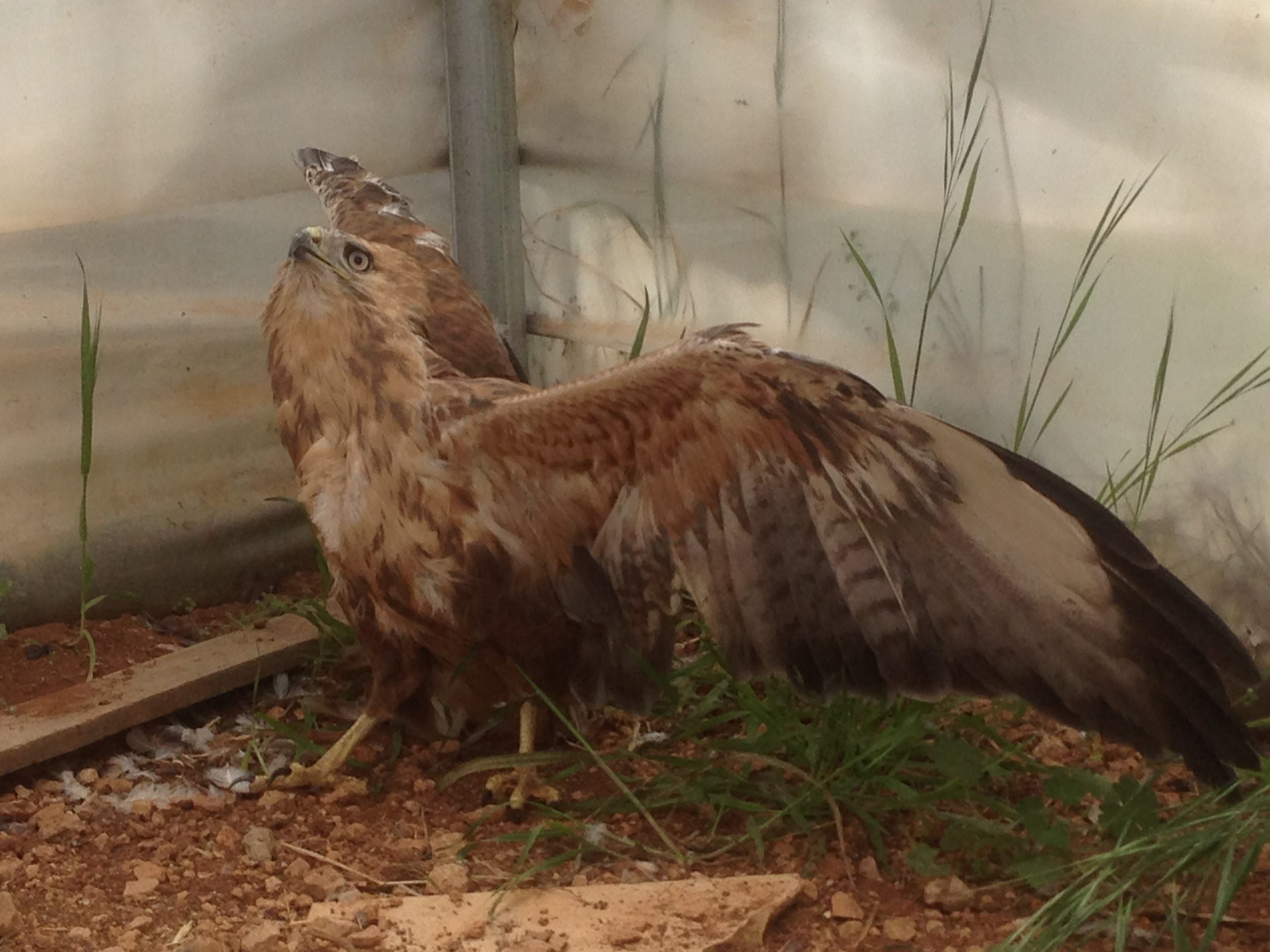
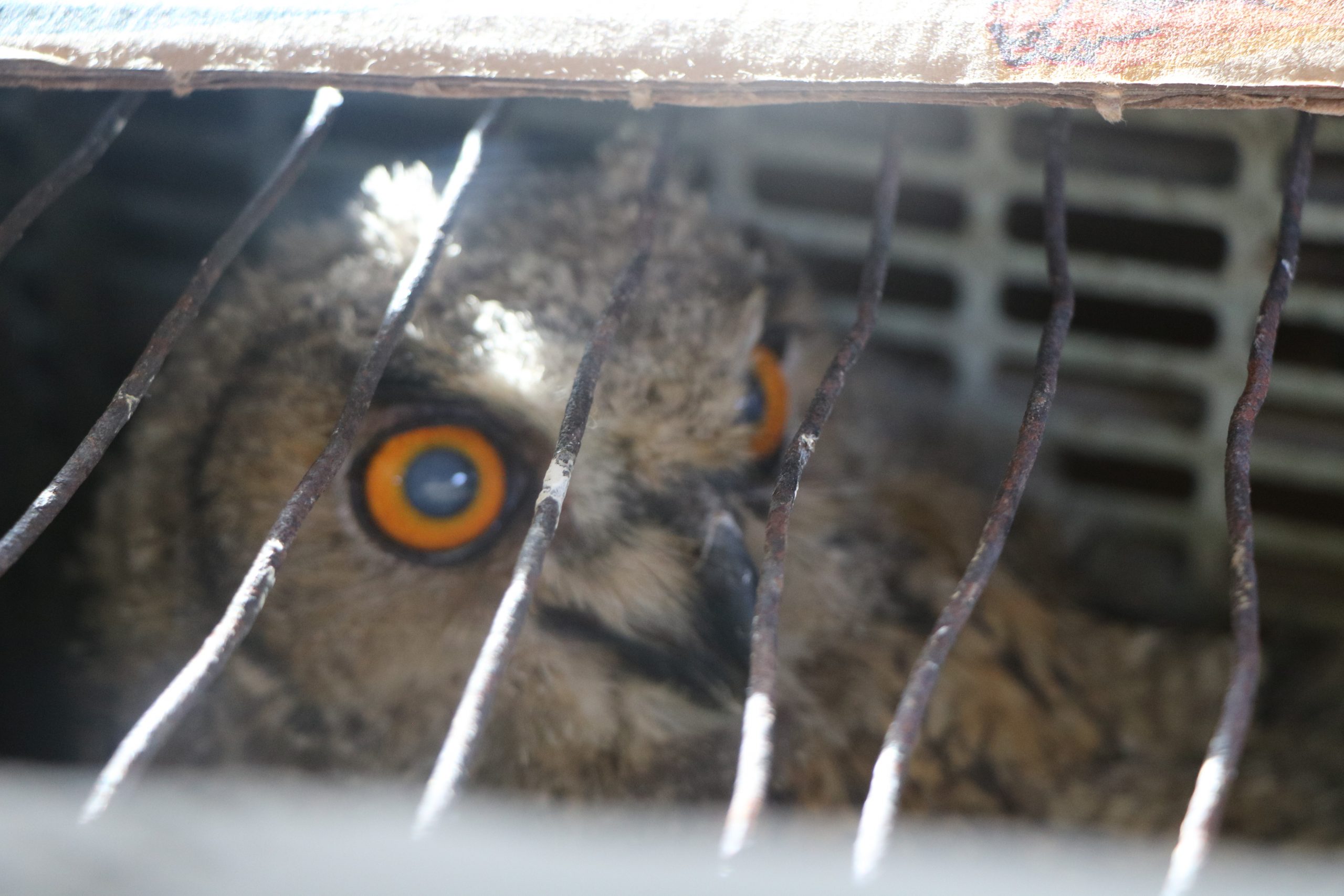
In the field of nature conservation, the institute is active as a wildlife rescue and rehabilitation center. The adjoining botanical garden is also home to a significant number of endangered indigenous plant species.
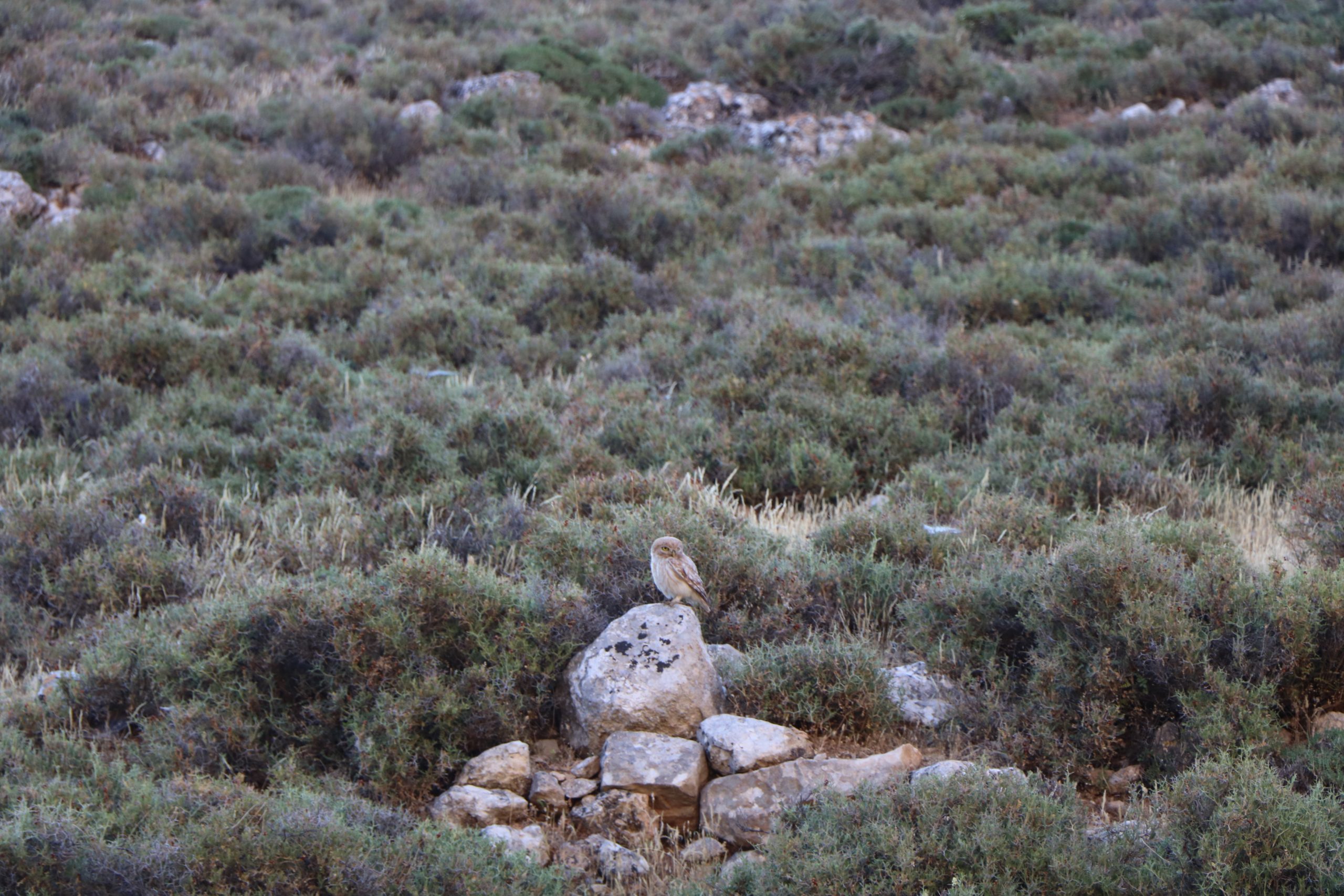
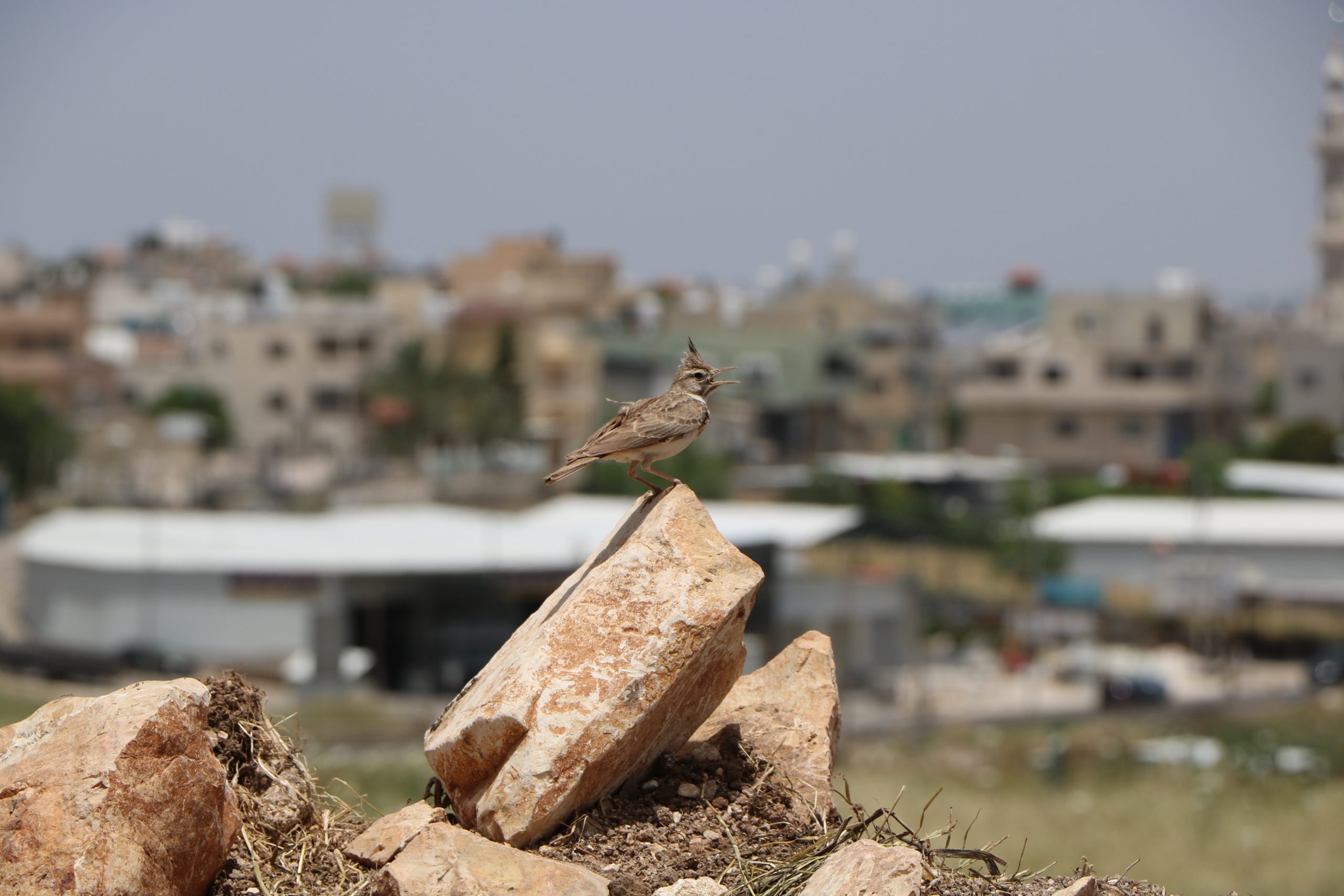
In the near future, the museum is to receive a new building with modern exhibition rooms and workplaces. It currently resides in the university's former halls of residence. Since foreign students, especially from Gaza, are no longer allowed to come to the West Bank, it has been converted. The formerly unused surrounding wasteland has been upgraded and can rightly be described as an "oasis".
During the five months I was very closely involved in the activities at the institute. Not least because I was able to live in Dr. Mazin's rear building and we drove there together every morning and back in the evening (sometimes late at night). My day-to-day activities included looking after the animals on the grounds. Together we successfully released an eagle buzzard into the wild and raised a young eagle owl. There is also an aviary with a pair of peacocks and chickens. The keeping of these farm birds is integrated into the demonstration of the nutrient cycle, which is practiced on the entire site. Everything is based on the maxim of waste avoidance. Unfortunately, waste plays a very visible role in the region. There are no facilities that meet German standards. Instead, there are a large number of open dumps and illegal dumping grounds. The aim of the institute is not only to raise awareness of this environmental problem, but also to help eliminate it. For example, recycling projects are promoted and the walls of the growing facility are made exclusively from wire and PET bottles.
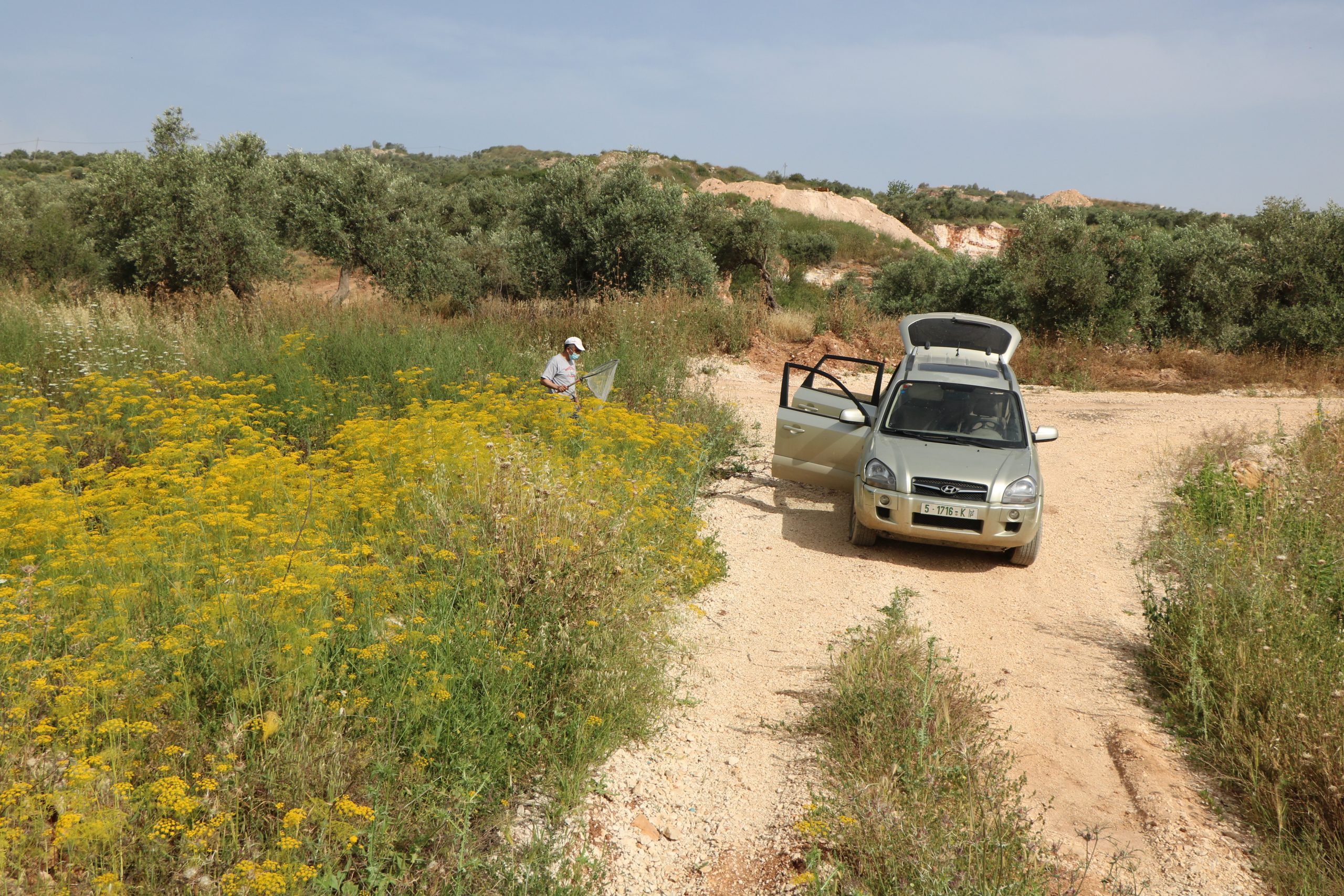
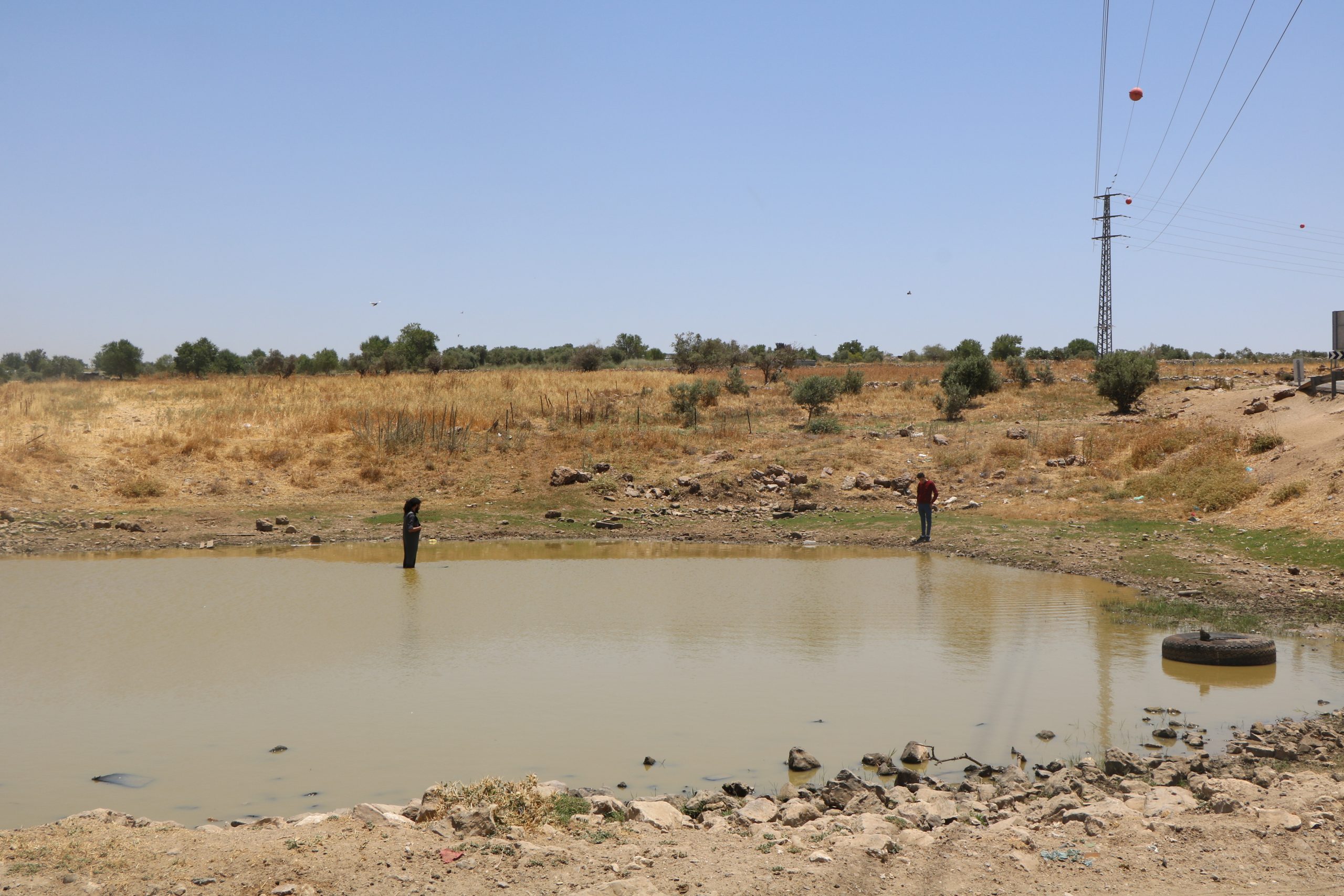
The original project idea was to put the algae turf scrubber system into operation at the museum pond and carry out a test on the fertilizing capacity of the algae mass produced. For this purpose, the pond water is continuously pumped through an approximately 30 cm narrow drain. With a sufficient amount of nutrients and light, an algae layer quickly forms on this, which is harvested, dried and pulverized every two to three days. As an admixture to degraded soils from the Jericho region, we wanted to investigate whether and how much of it is beneficial for optimizing the growth of crops. Our concept was almost ready, but then came corona. This meant that a strict lockdown was imposed on the entire West Bank within a few days. Only one colleague, who lives next door to the museum, was still able to go there to look after the animals, the rest of the work was at a standstill or only took place on the computer. Within two weeks, all the international helpers had left, including a Berliner, two Norwegians, an Austrian and a British woman. They all had to give assurances that they would leave the country directly as soon as they left the West Bank. Not only was it impossible to get through the usual checkpoints, but the Palestinian leadership had also set up controls at important crossroads and exits.
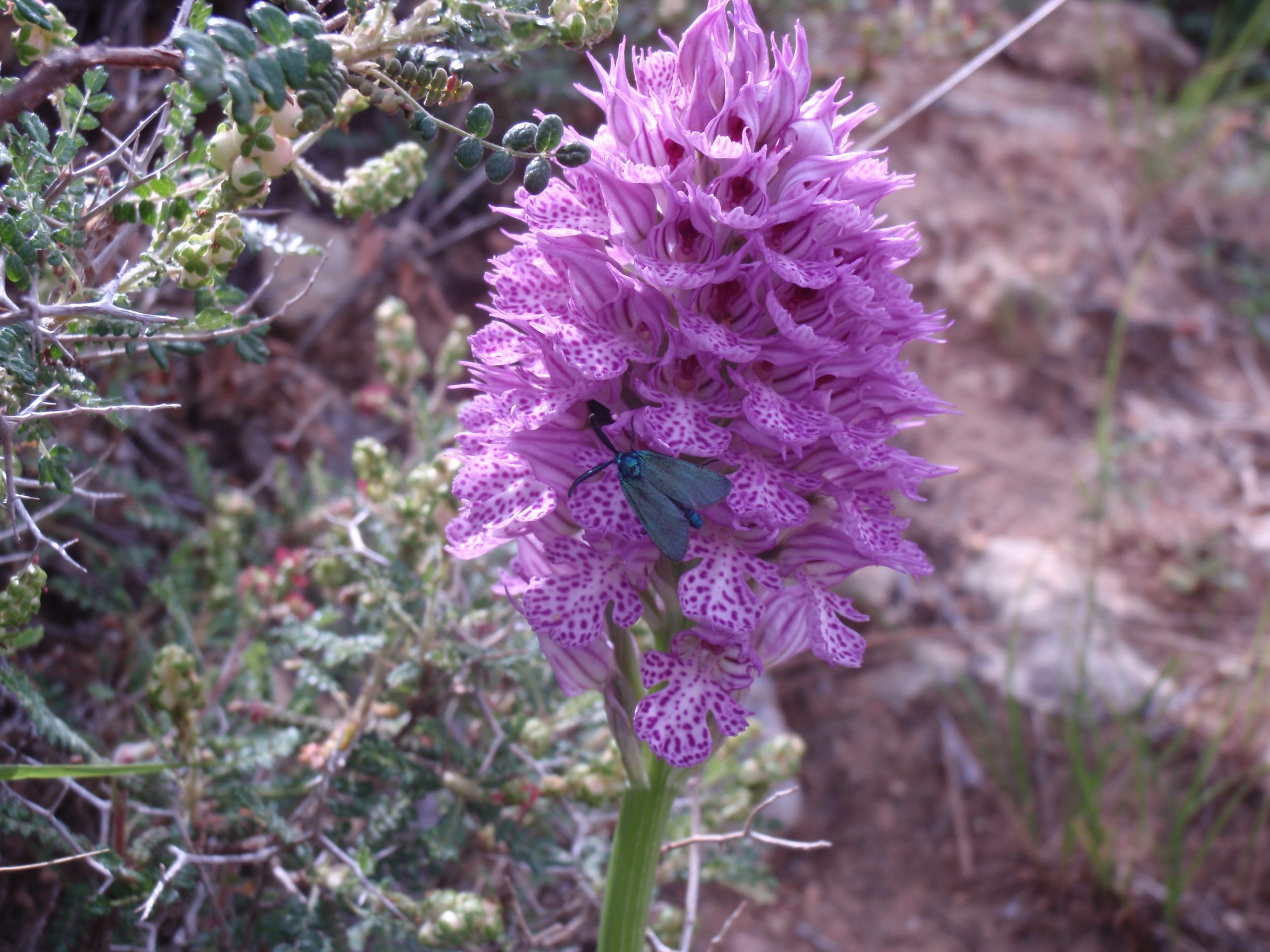
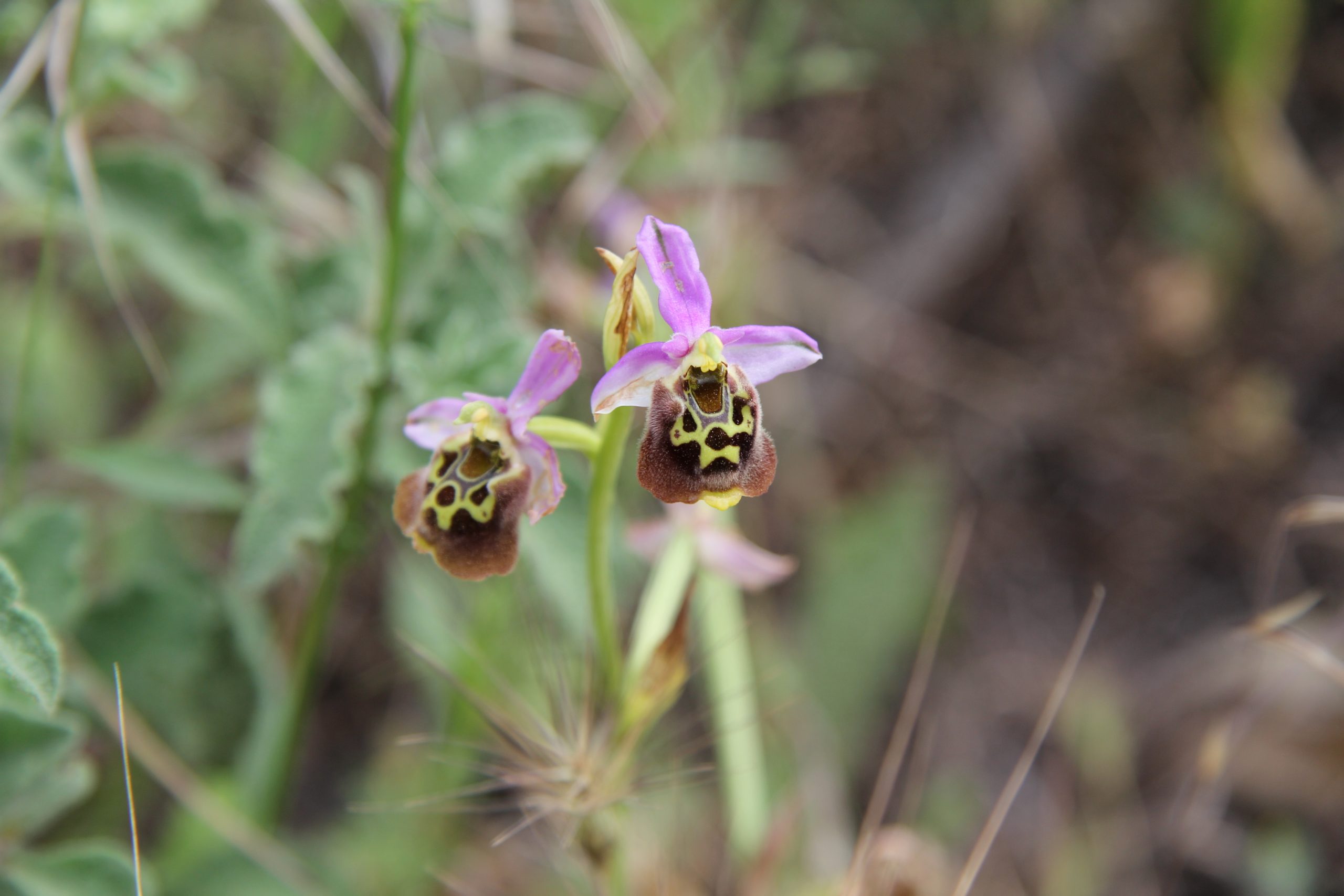
So my focus switched to the second project, which I had already started. My task was to compile the orchid species in the West Bank and create a distribution map that was as up-to-date as possible. Another aim of my work was to investigate threats to orchids and to create suitable image and information material for the museum. The majority of flowering plants in the Mediterranean region bloom in spring. This includes orchids, whose main flowering period is in March and April. It was precisely during this time that the strict lockdown came into effect, so the work had to be limited to data from the last few decades. We were only able to make a few trips and document orchids in the immediate vicinity of Bethlehem. The result was an article about the 20 species, which will be published soon.
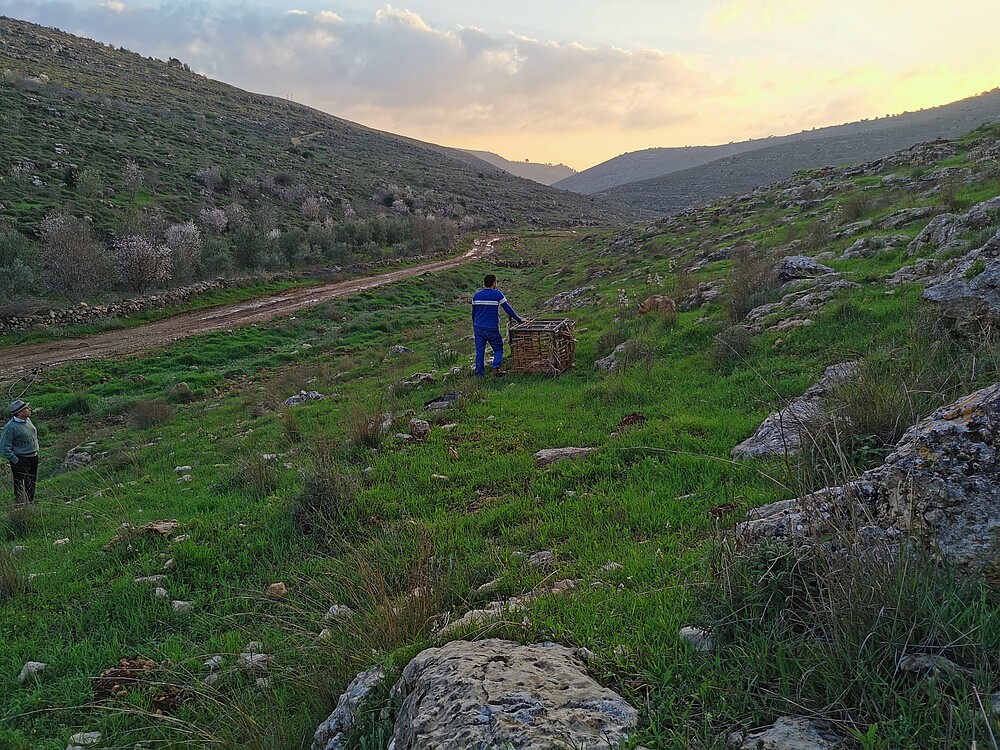
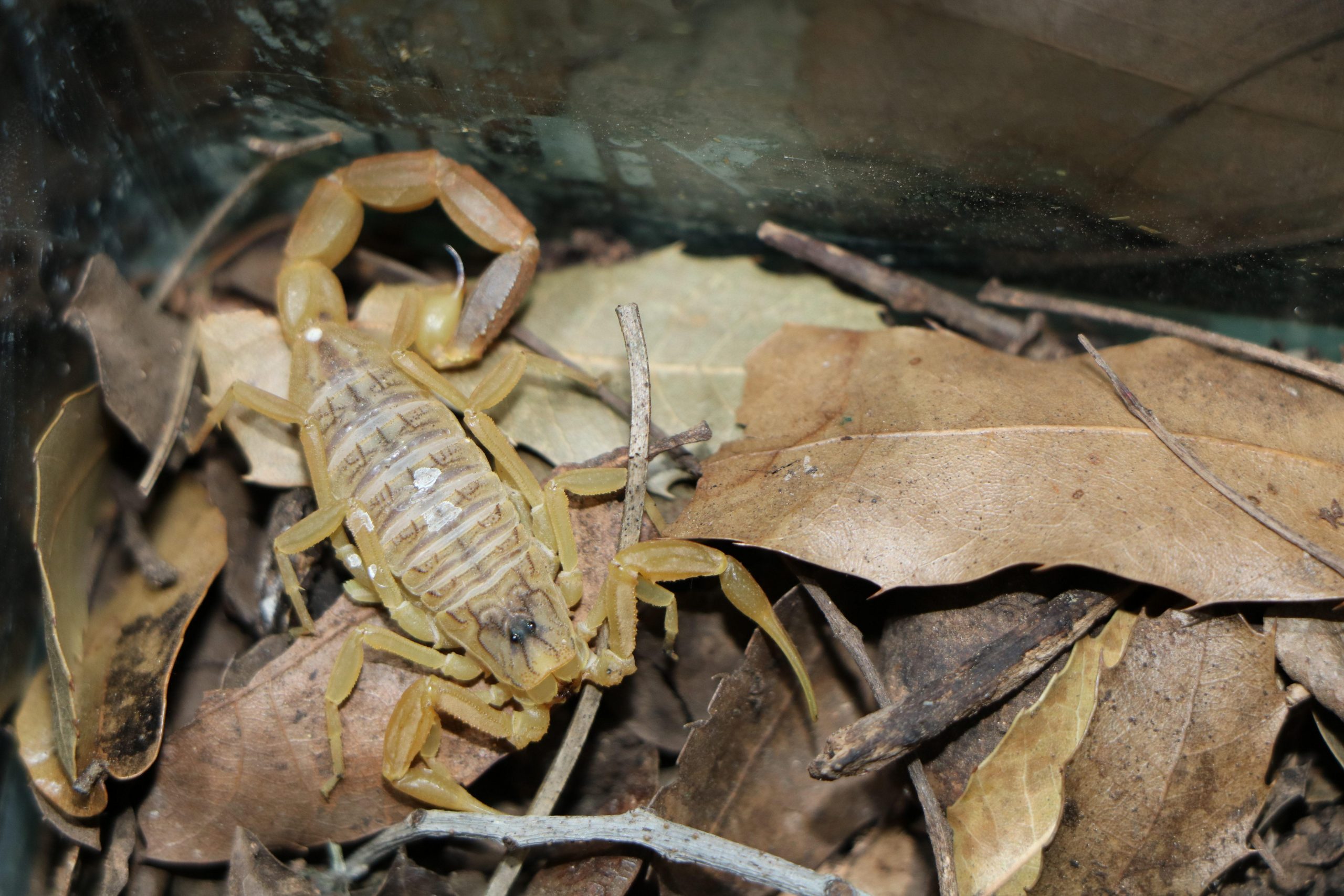
Despite the corona measures, I was able to experience some wonderful highlights. These included visits to farmers in the region, the release of a spotted hyena into the wild and a climbing excursion in Wadi Qiniya (see photo). After the provinces reopened at the end of May, we were finally able to go on excursions at the weekends again. During these trips, some of which were at night, we placed small mammal and camera traps, collected water samples and a variety of insects and arachnids. After weeks of studying literature, it was exciting for me to finally see the landscapes and habitats live, and we also had the museum's drone at our disposal.
<video style="max-width:100%;" controls src="/fileadmin/blog/2020/08/Im-Mar-Saba-Tal-Wer-findet-den-Klippschliefer_.mp4"></video>
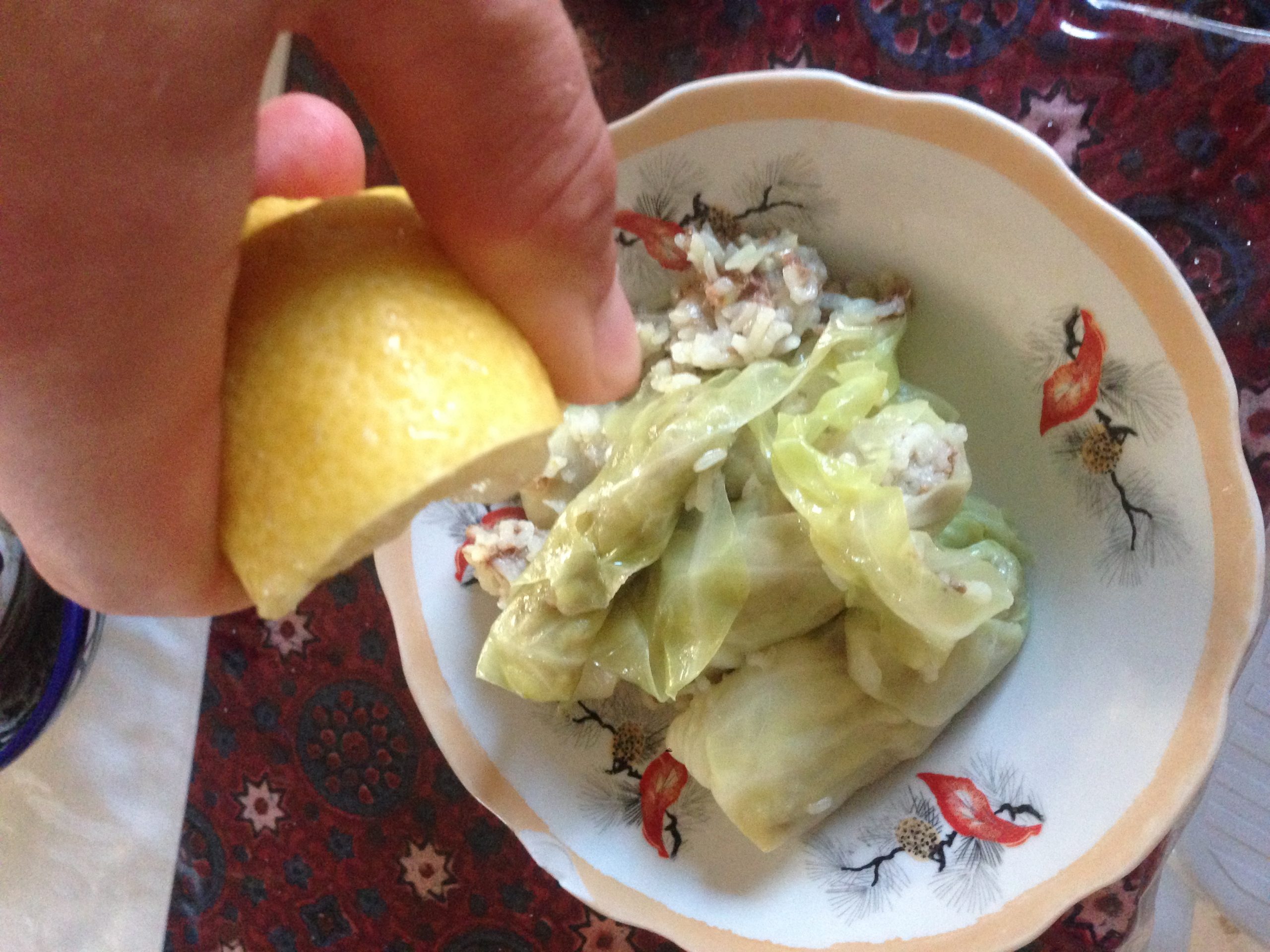
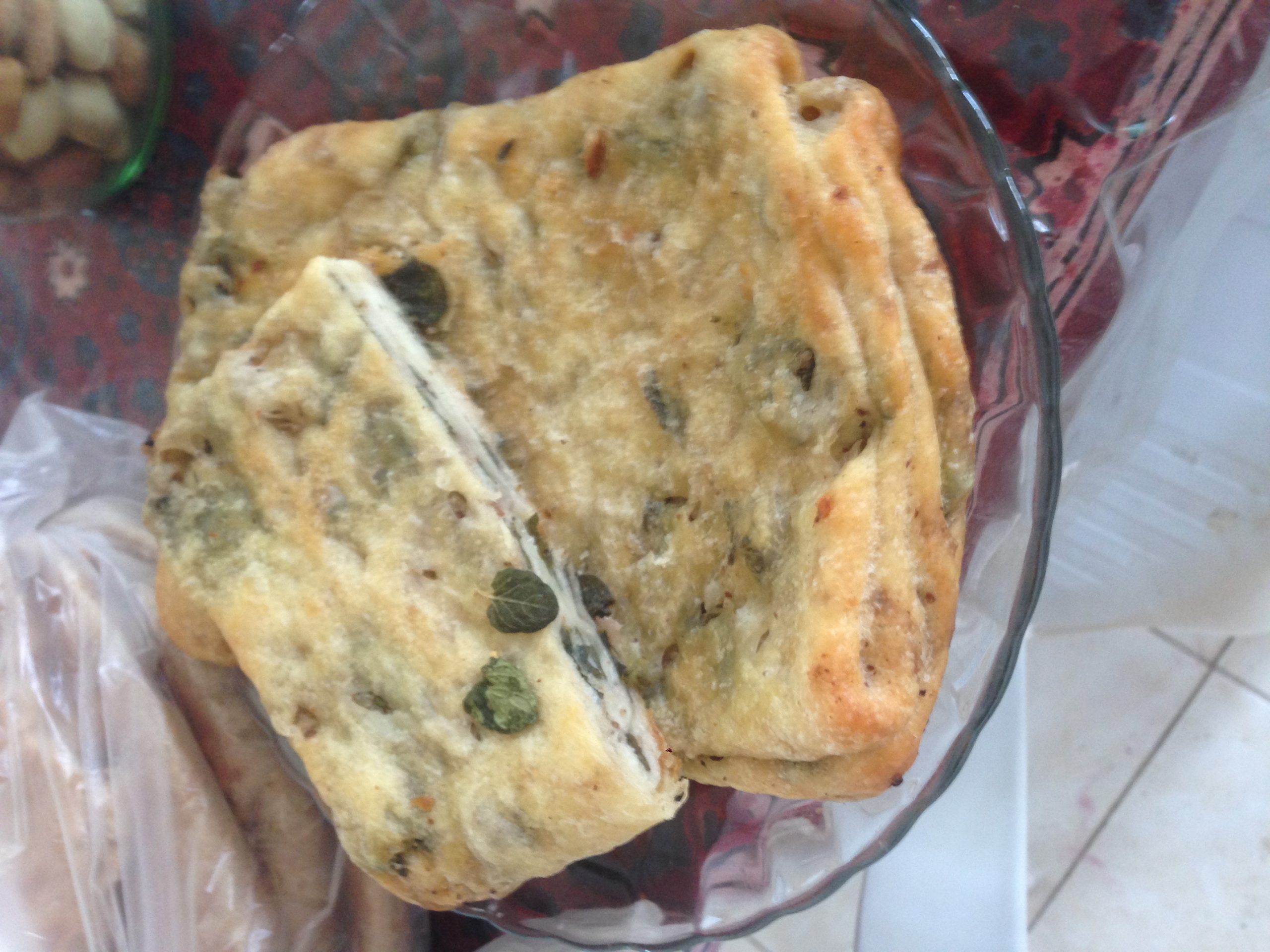
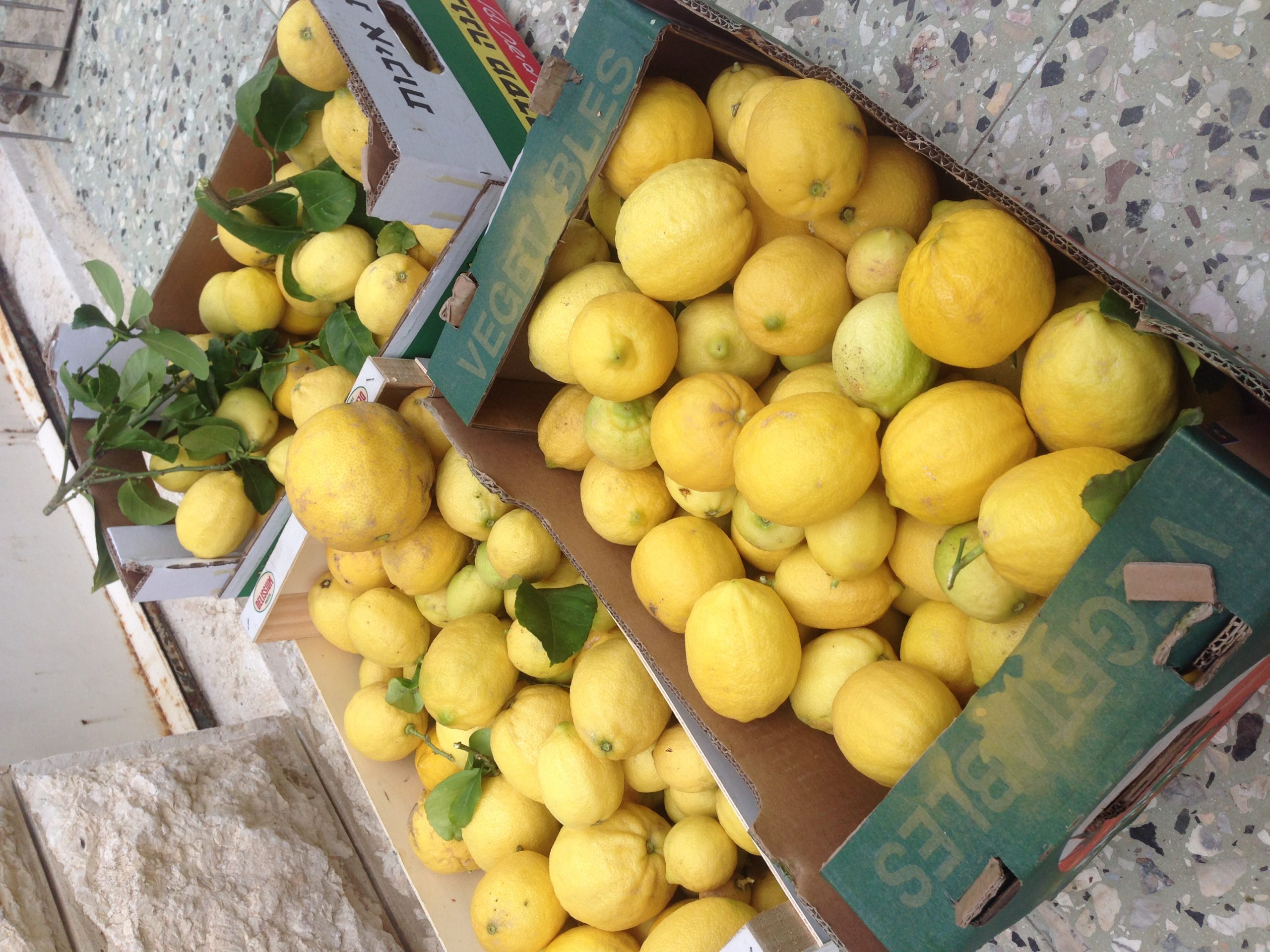
I was able to use it to take pictures of the museum garden, which provided us with fresh fruit and vegetables every day. I learned to cook and appreciate many tasty treats during our lunch together. To generate compost for the fruit trees, I was also regularly tasked with getting organic waste from the wholesale market. I was able to organize crates of eggplants, zucchinis, tomatoes, cucumbers, cabbage and much more. Most of it was perfectly edible, so we only had to buy a few additional foods (rice, milk, salt, oil). The olives, which are part of almost every meal, are also from the garden, as is the fish, which we were able to take from the aquaponic system. In this system, tomatoes, spring onions, basil and more useful plants are cultivated in a bed of lava stone and only fertilized with the process water from the fish tanks. The water is filtered in this way. The only nutrients are added via the daily fish feed. Both sides can be harvested, i.e. the plant supplies us with fish and vegetables. Sometimes you can even hear a frog croaking from the drainage basin.
My stay in Bethlehem was very different from what I had expected. Nevertheless, the experience was very enriching, I learned a lot and the tasks really whetted my appetite for a career in ecology. My heartfelt thanks go to Dr. Mazin and Jessie for the uncomplicated welcome and effort, the entire PMNH team and Majd Salsa for his tips.
Further information about the institute can be found here: www.palestinenature.org
Tour of the garden with Professor Qumisyeh: https://www.youtube.com/watch?v=7cBil5ahC6o
Interview with Majd Salsa, gardener in Beit Sahour:
https://www.youtube.com/watch?v=7mdtXROE1as