
02. February 2016
Degree and new stage of SbS
Project phase ends with brief evaluation and farewell to some student advisors.
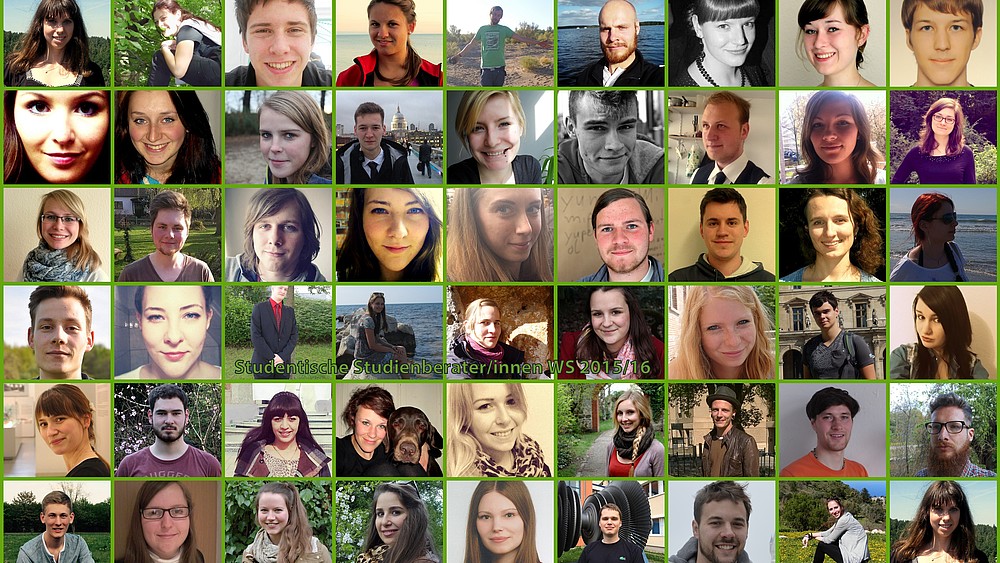
As part of the “Diversity as a Strength” project initiative “Students Advise Students (SbS),” 48 students volunteered as advisors during the winter semester to address the questions and concerns of first-semester students. In addition, they assisted with various university activities and organized their own initiatives and events to answer all questions regarding studies, daily life, and living in Zittau and Görlitz, as well as to provide support in the event of difficulties or problems and to offer advice on academic matters. With this phase of the project, a total of 168 students have now been actively volunteering alongside their own studies since the launch of SbS to provide advice, guidance, and support. We would like to take this opportunity to express our sincere recognition to all the volunteers who supported this program.
At the end of this phase of the program, a quick survey was conducted among first-semester students to gather feedback on the student advisory services. A total of 109 students participated (approximately 15% of enrolled first-semester students). 36.3% of respondents considered the program very important for their own studies, 52% considered it important, and 10% considered it less important or not important at all. The project became known primarily through informational events, word of mouth, and digital media. 38% of first-semester students sought counseling from SbS regarding a study-related question; 35.9% were very satisfied with the counseling, and 59% were satisfied. 4.9% sought counseling for personal problems; of these, 80% were very satisfied, and 20% were satisfied. 26.5% considered seeking counseling but did not do so. One-quarter of the students can imagine supporting SbS themselves. The counseling work of the academic advisors was also evaluated. Of 219 anonymously recorded counseling sessions conducted by SbS, 72.5% took place in Görlitz and 27.5% in Zittau. On average, SbS provided counseling 3.7 times per lecture day; a total of 295 counseling hours were recorded—each counseling session lasted an average of 44 minutes, and each student academic advisor conducted 6.2 counseling sessions. Overall, this phase of the project can be considered very successful. The high utility and positive effects of peer-to-peer counseling continue to prove to be an important component in enhancing student satisfaction at the University of Zittau/Görlitz.
Some of the student advisors from SbS have already received a certificate for successfully participating in the training programs and a personal reference for their work—while others continue to support the project. Starting in March, additional student academic advisors and campus specialists will be sought across all degree programs—beginning in May, the new workshops and training programs for student academic advisors will commence, expanded to include the topics of international affairs and interculturality —each student team will then be supplemented by at least two international students. The program is thus entering the final phase of the BMBF-funded “Diversity as a Strength” initiative, which ends in December 2016.