
German reactor safety research without a future?
Far from it, as the doctoral seminar of the Competence Center East for Nuclear Technology proved on December 13.
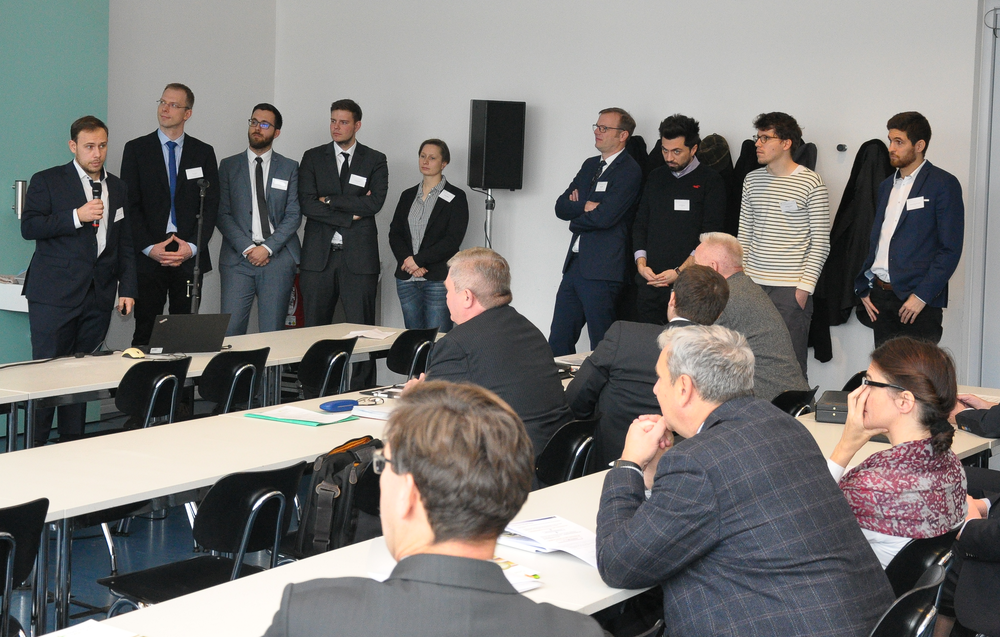
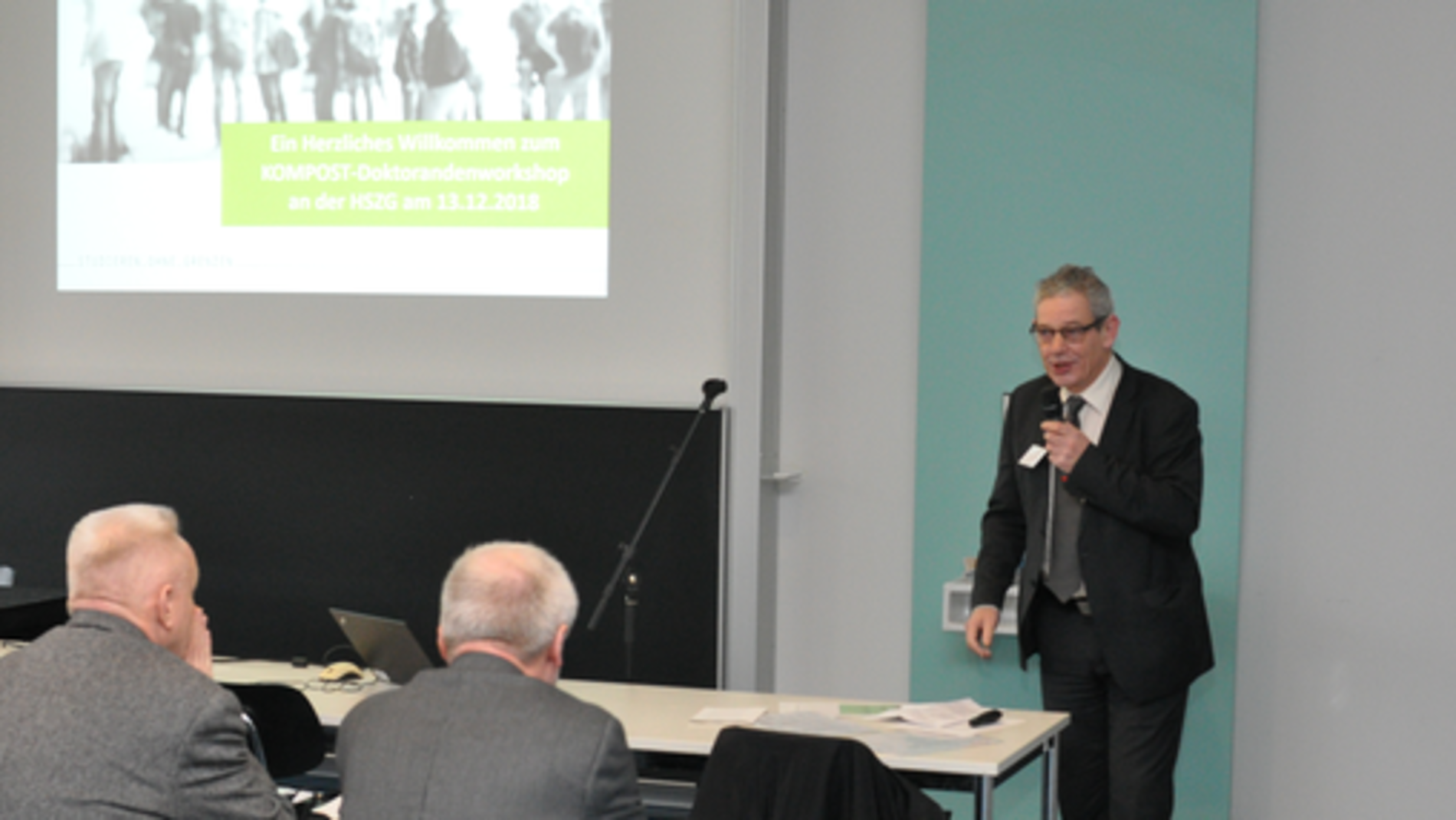
An important core concern is addressed at the annual doctoral seminar of the Competence Center East for Nuclear Technology (KOMPOST). Even after Germany’s phase-out of nuclear technology in 2022, there should still be engineers in the country who can pool their knowledge and pass it on to students. This year, on December 13, the Zittau/Görlitz University of Applied Sciences (HSZG), through its Institute for Process Automation, Process Engineering, and Measurement Technology (IPM), invited its partners to the Zittau Mountains. Guests from the Technical University of Dresden (TUD), the Helmholtz Center Dresden-Rossendorf (HZDR), and VKTA Rossendorf were welcomed by the Rector, Professor Albrecht.
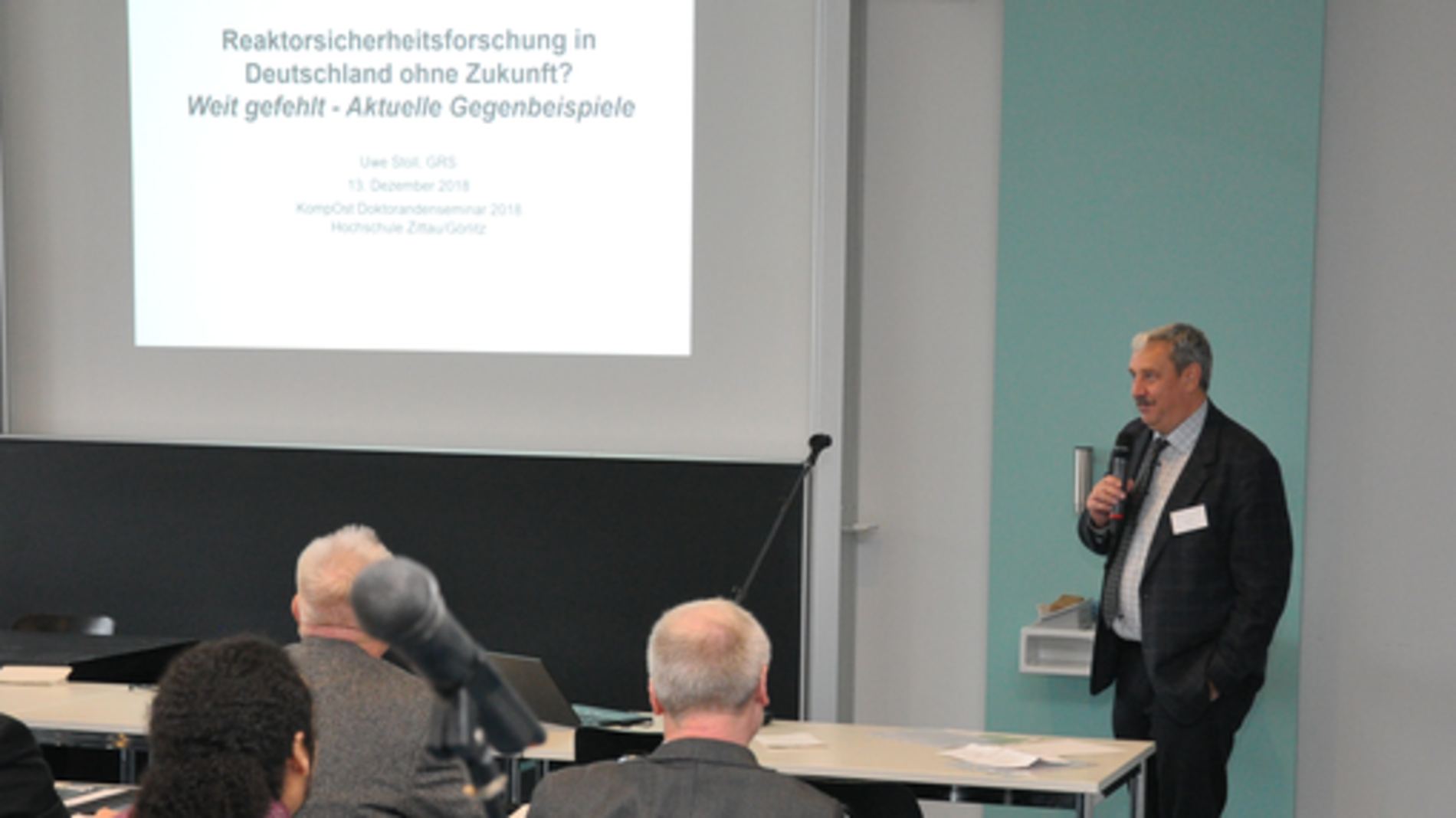
Following this, the Scientific and Technical Director of the Society for Reactor and Plant Safety, Mr. Stoll, answered the question: “Is there no future for reactor safety research in Germany?” with a clear “No.” He also used examples to outline future challenges, particularly in an international context. To address these, he emphasized the long-term need for qualified engineers.
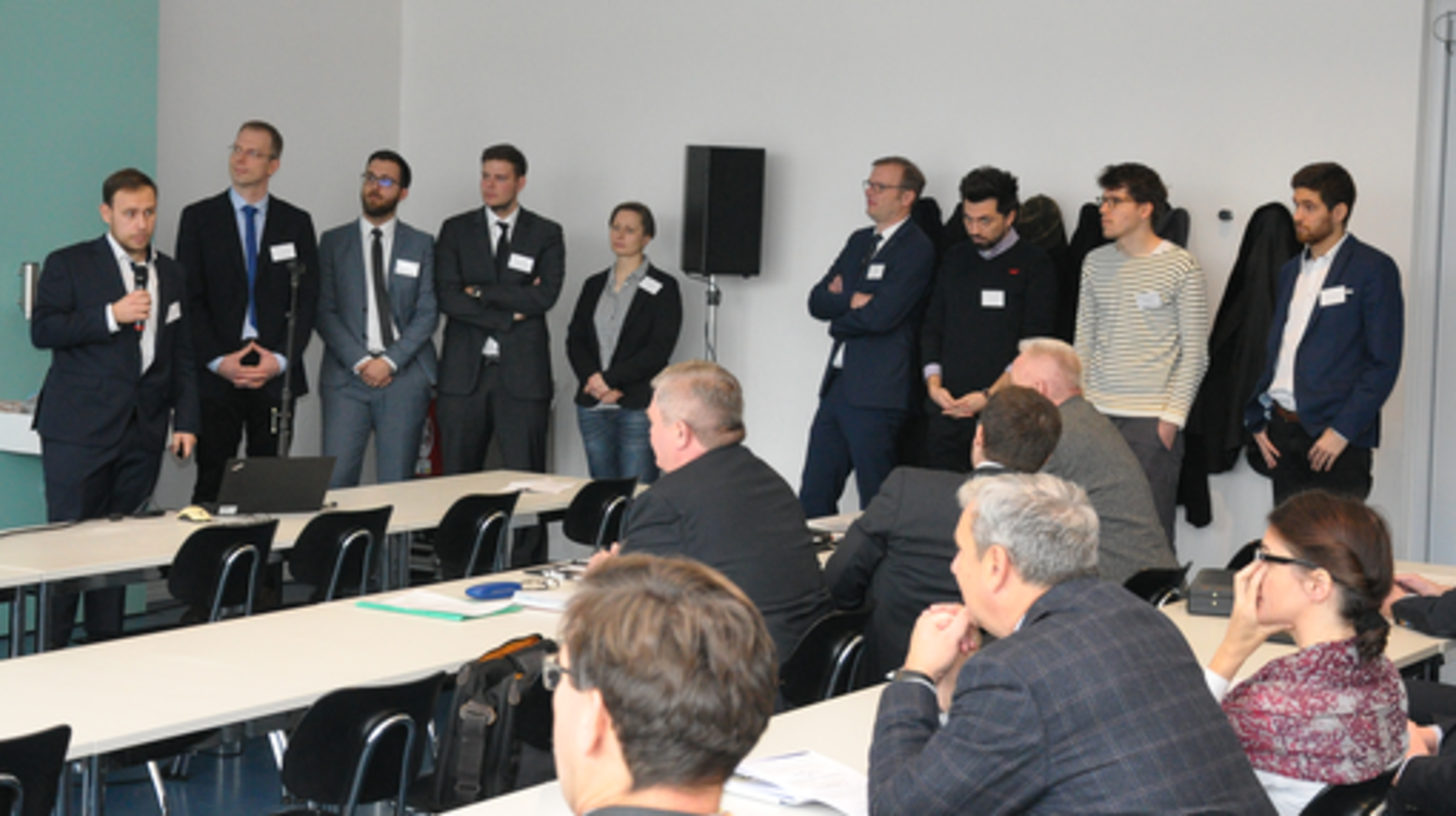
During the main part of the event, doctoral students presented their work and the results they had achieved in the publicly funded projects they were working on. A total of nine presentations and posters served to showcase and discuss project progress in the field of nuclear safety research. Topics included, for example, experiments and simulation calculations on the safe removal of heat from the spent fuel storage pool as well as from the reactor itself, analyses of neutron flux fluctuations in pressurized water reactors, and investigations into the operation of Generation IV reactors.
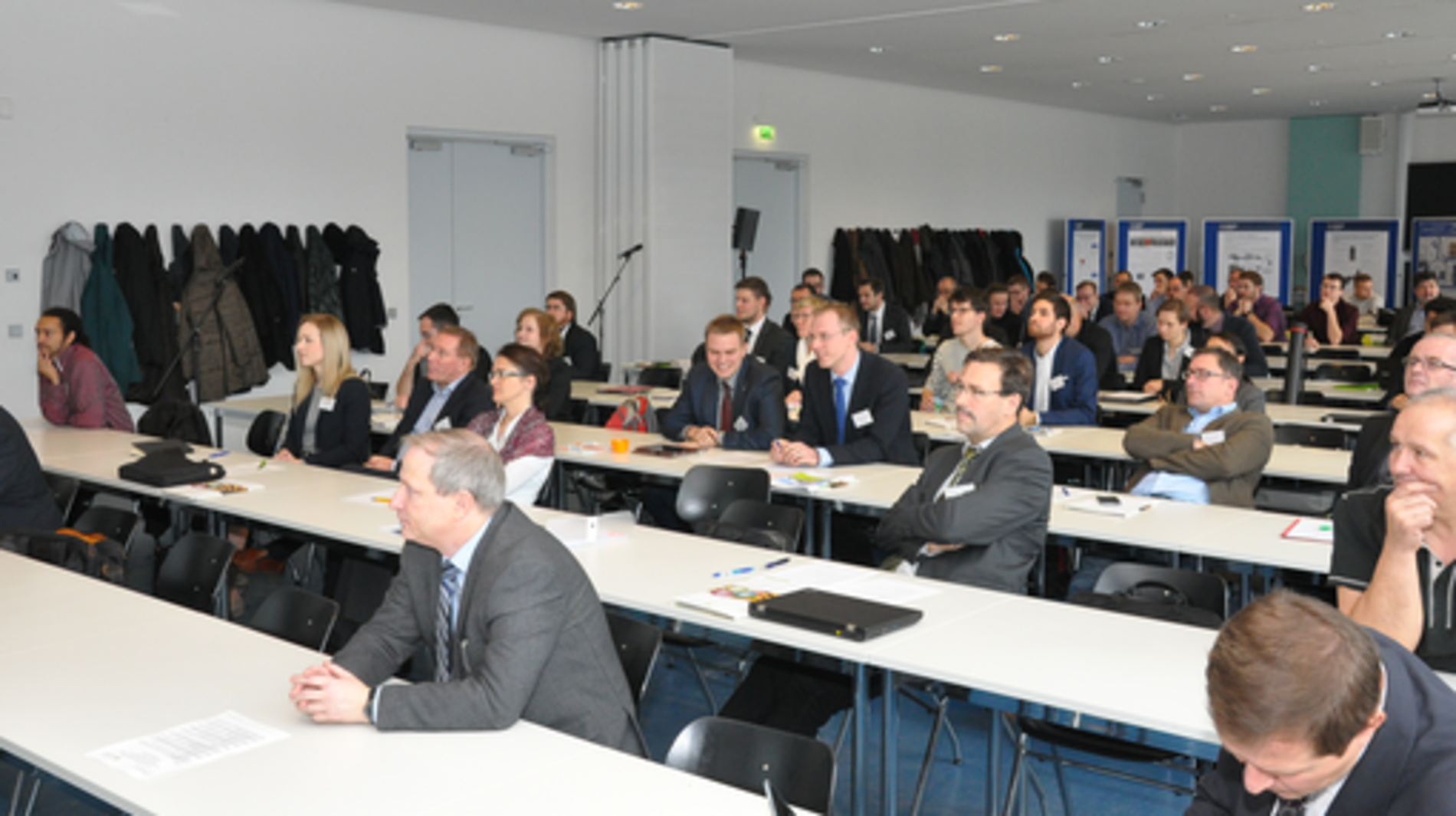
Among the approximately 50 participants were not only the presenters from the four KOMPOST institutions and their academic advisors, but also representatives from industry, federal agencies, and the project sponsors, as well as interested faculty members and students from the HSZG.
Even though the decision to phase out nuclear technology has been made, new technical challenges will continue to drive research. The focus is shifting from the operation of nuclear facilities to decommissioning and final disposal. Qualified engineering personnel are already being sought for these tasks.
1st floor
Upper floor