

About the degree programme
The transformation of our energy systems toward sustainable, environmentally friendly solutions is one of the greatest global challenges of the 21st century. In the energy and environmental engineering degree programme, you’ll gain the subject-specific competencies needed to actively help shape the solution to this challenge. You’ll develop innovative technologies for harnessing renewable energy, design efficient energy storage systems, and optimize energy-related facilities—always with a focus on sustainability and environmental compatibility.
Acquire Forward-Looking Subject-Specific Competences
In this degree programme, you’ll gain in-depth knowledge in the following core areas:
- Renewable energy generation from solar, wind, and water
- Sustainable heat supply and thermal energy efficiency
- Innovative storage technologies and hydrogen systems
- Energy system technology and emission-reducing power plant technologies
- Environmentally friendly process engineering and resource management
- Safe application of radiation technology processes
You’ll learn how modern energy systems are designed, optimized, and operated. With the option to specialize in either Renewable Energy and Energy Efficiency or Applied Radiation Technology , you can tailor your studies to your personal interests. The practice-oriented program—featuring engaging laboratory experiments, comprehensive fieldwork, and an integrated work placement semester—provides you with optimal preparation for your career. Your Diplom in the 8th semester serves as the crowning degree of your studies.
| faculty: | Mechanical Engineering |
| Location: | Zittau |
| Degree: | Bachelor of Engineering (FH) |
| standard period of study: | 8 semesters |
| ECTS credits: | 240 |
| Language of instruction: | German |
| Enrolment for: | Winter semester |
| Application period: May 1 through September 30 | Start of studies: October |
| Admission restrictions: | No admission restrictions (no NC) Details |
| No prerequisite internship | Student Advisory Service |
| Accreditation status: | Certified |
Course content
The energy and environmental engineering program combines theoretical fundamentals with practical applications. During the first three semesters, you will first acquire a solid foundation in engineering—including mathematics, physics, mechanics, thermodynamics, and materials science—which serves as the basis for any successful engineering career.
After the third semester, you’ll choose your specialization. Starting in the fourth semester, you’ll deepen your expertise in the areas of energy system technology, fluid power machinery, and resource management. The fifth semester is designed as a work placement semester and allows you to gain valuable professional experience. In the following semesters, you’ll take specialized modules depending on your chosen area of specialization—ranging from renewable energy technology and energy storage to advanced radiation technology applications. Complex internships offer you the opportunity to apply your theoretical knowledge in practice and work as part of a team.
- Engineering Thermodynamics I
- Fundamentals of Computer Science
- Business Administration
- Engineering Mathematics I
- Physics and Fundamentals of Electrical Engineering
- Engineering Mechanics I – Statics
- Materials Science and Chemistry
- Materials Science and Chemistry
- Manufacturing Technology I
- Engineering Mathematics II
- Design Principles I
- Introductory Lab in Physics, electrical engineering, and Materials Testing
- Engineering Mechanics II
- Engineering Thermodynamics II
- Computer Science II (Elective Module)
- Design Principles I
- Machine Elements I
- Fluid Mechanics I
- Physical and Manufacturing Technology Fundamentals of Measurement Technology
- Engineering Mechanics III
- Engineering Thermodynamics III
After the third semester, you will choose a specialization: “Applied Radiation Technology” or “Renewable Energy and Energy Efficiency.”
- Heat Exchangers, Piping/Tanks
- Energy and Resource Management
- Fluid-Power Machinery
- Fundamental Concepts of Energy and Environmental Engineering
- Fundamentals of Material Conversion
- FEM I and Applied Mathematics (Elective Module)
Modules of the specialization in Applied Radiation Technology
- Fundamentals of Radiation Protection and Radioecology
Modules of the Specialization in Renewable Energy and Energy Efficiency
- Interdisciplinary Competencies (Compulsory Elective Modules)
- Practicum Term Paper and Defense
- Fluid Mechanics II
- Control and Regulation Technology
- Power Plant Engineering
- Power Engineering (Elective Module)
- Required Elective 1
- Sustainable Heat Supply Technology
- Introduction to Neutron Physics and Nuclear Engineering
Modules in the Specialization in Applied Radiation Technology
- Radiation Technology in Industry, Science, and Medicine
- Comprehensive Internship in Radiation Technology
- Interdisciplinary Competencies (Compulsory Elective Modules)
Modules in the Specialization Renewable Energy and Energy Efficiency
- energy system technology
- Renewable Energy Technology
- Comprehensive Internship in Energy and Environmental Engineering
- Energy Process Engineering
- Efficient Energy Systems
- Elective 2
- Heating and Ventilation Engineering
- Computational Fluid Dynamics
- Elective 3
- Electrochemical Storage and Hydrogen Technology
- Project Work in Energy and Environmental Engineering
Modules in the Applied Radiation Technology Specialization
- Comprehensive Radiation Engineering Internship
- Plant Safety and Reliability / Reactor Safety
- Production and Disposal of Radioactive Materials (Elective Module)
Modules in the Specialization Track in Renewable Energy and Energy Efficiency
- Comprehensive Laboratory Course in energy and environmental engineering
- Refrigeration and Heat Pump Technology
- Final module (Diplom thesis and defense )
Career opportunities
Professional areas where you can get started

Regenerative energy technology
You will develop and optimize systems for the use of renewable energies. You will calculate energy potentials, plan systems for the use of sun, wind and biomass and design systems for integrating renewable sources into existing energy systems.
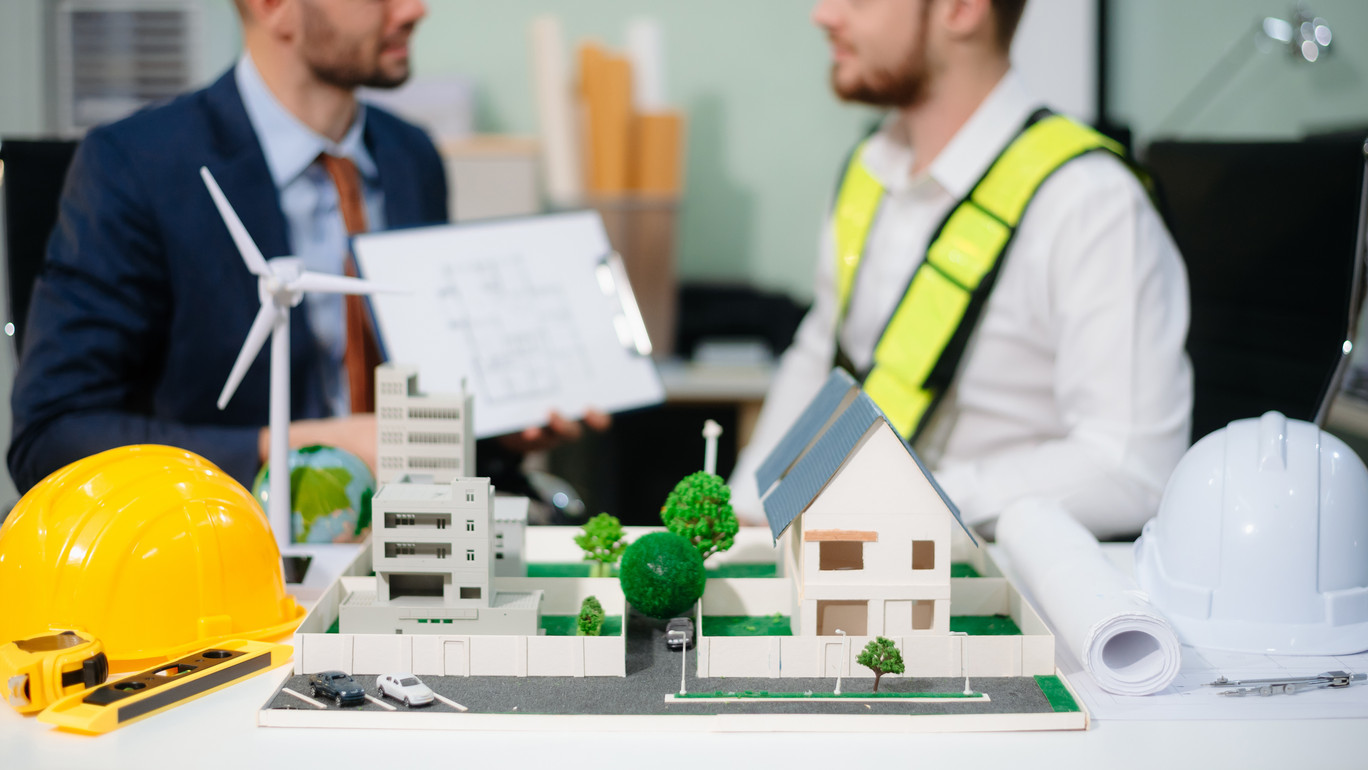
Energy Consulting
You analyze the energy consumption of buildings and industrial facilities and develop customized efficiency plans. You advise on funding opportunities, evaluate economic factors, and oversee the implementation of energy-efficiency retrofit measures.

Research & Development
You’ll work on cutting-edge technologies for the energy transition at research institutions or companies. You’ll design innovative energy storage systems, test new materials, and develop more efficient components for sustainable energy systems.
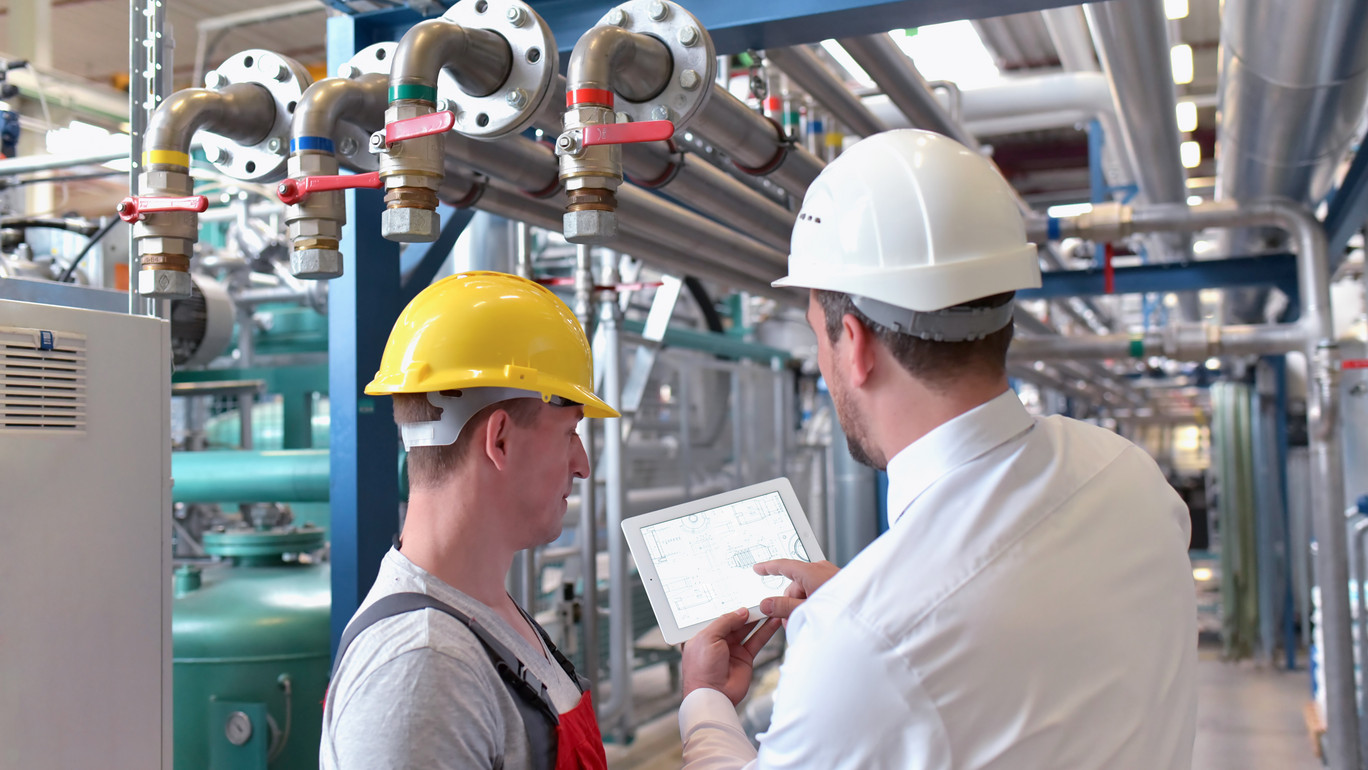
System planning
You plan complex energy technology systems from conception to commissioning. You dimension components, create simulations and coordinate implementation, taking into account technical, economic and ecological requirements.
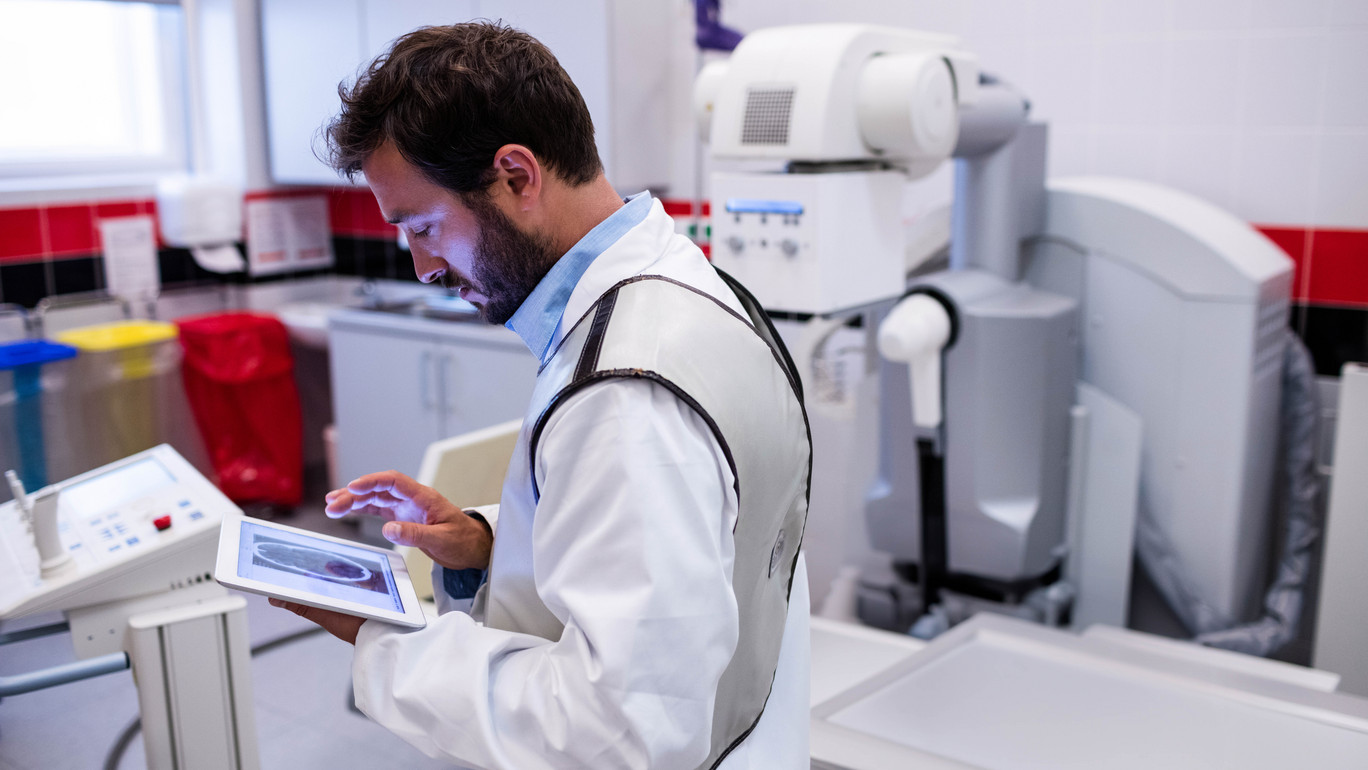
Radiation Protection
You are responsible for the safe operation of radiation-emitting equipment in medicine, research, or industry. You monitor radiation protection measures, conduct measurements, and develop strategies to minimize radiation exposure.

Energy system technology
You will analyze and optimize the interaction of different energy sources and storage systems in complex supply systems. You will model energy flows, develop control concepts and contribute to the integration of renewable energies into existing infrastructures.
What our students say about the energy and environmental engineering degree program

1st floor

First floor
Starting now, we're also offering our Student Advisory Service via WhatsApp. Just send us a message at: +49 173 2086748
Our promise to you
Studying in the wild east?
Studying with us is different. Above all, better. Why? We have a family atmosphere. There are small study groups and the lecturers are always there for you. There is a close connection to practice in all degree courses. And finding affordable accommodation is no problem here.
There are many other reasons, such as university sports or the student representatives, clubs and societies. Campus life in Zittau and Görlitz, the wild east, is unique.