
International work at the HSZG
A key to securing skilled workers and regional development
Using a holistic approach, Zittau/Görlitz University supports international students in their integration—academically, socially, and professionally.
In light of the growing shortage of skilled workers in Germany, International Affairs is becoming increasingly important from both a strategic and economic perspective . The Free State of Saxony’s skilled workforce strategy also emphasizes that the shortage of skilled workers is one of the greatest risks to growth for Saxony as a business location. In this context, the topic of International Affairs is playing an increasingly important role at the University of Zittau/Görlitz. With the goal of attracting more international students and providing them with guidance and support both during their studies and beyond, the University of Zittau/Görlitz focuses on comprehensive guidance and support in both academic and non-academic areas. Particular attention is paid to the social integration of students and to promoting their integration into the Saxon labor market.
To achieve these goals, the HSZG established the International Affairs Working Group under the leadership of the Vice President for Education and International Affairs, Professor Sophia Keil. Its mission is to further develop the existing internationalization strategy and continuously adapt it to the changing needs of students as well as to economic challenges. A key priority is to create an open and warm welcoming culture and to actively promote the integration of international students in both academic and social contexts. By providing targeted support for integration into the German labor market, the HSZG makes a significant contribution to securing a skilled workforce in the region and supports the implementation of the Free State of Saxony’s skilled workforce strategy. With this initiative, the Zittau/Görlitz University of Applied Sciences makes a valuable contribution to the future viability of Saxony as a business location and strengthens its international profile.
“International Affairs at Zittau/Görlitz University of Applied Sciences are more than just a strategic goal for us—they are a crucial contribution to securing a skilled workforce and to regional development. International students are an invaluable asset to our university and the region: they bring new perspectives, skills, and cultural diversity that enrich and strengthen our community. Through targeted measures, we support them on their academic, social, and professional journeys to open up long-term opportunities for them in the Free State of Saxony. In doing so, we rely on a culture of hospitality that promotes participation and encourages mutual learning.” – Professor Dr. rer. pol. Sophia Keil, Vice President for Education and International Affairs.
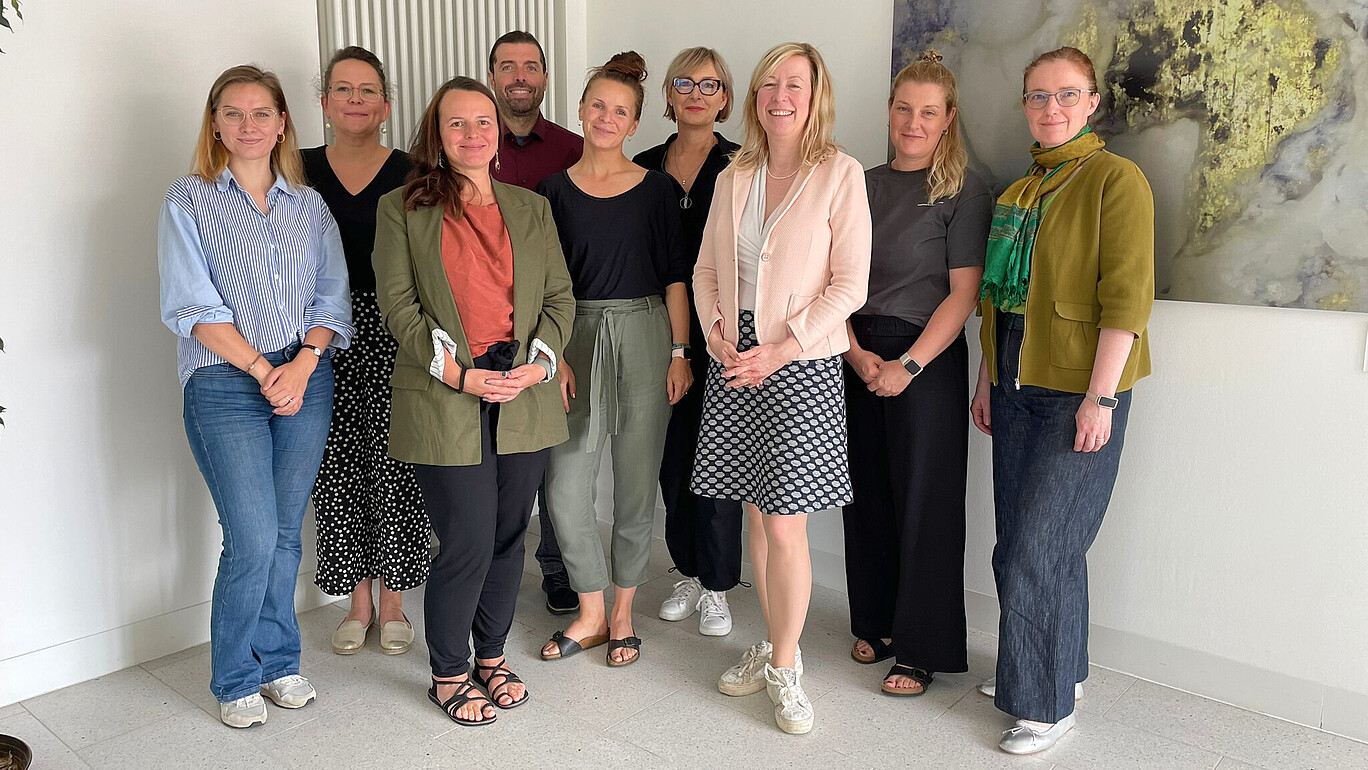
”As part of the International Affairs Working Group, colleagues from various areas of the university collaborate and pool their expertise to develop concrete measures. Members include Prof. Dr. Sophia Keil (Vice President for Education and International Affairs), Dr. Cristiano Marcellino (Director of the University Language Centre), Dr. Ewa Wieszczeczynska (Faculty of Managerial and Cultural Studies), Alina Bulcsu (Director of the International Office), Susanne Fentzel (University development and communication), Kristin Groß (Rector’s KIA officer), Corina Haak (KIA International), and Inna Hauf (Skilled Workforce Initiative within the Prorectorate for Education and International Affairs).
The working group is open to all university staff—everyone is warmly invited to participate and contribute their own ideas.
The working group kicked off its work with a kickoff workshop on June 20, 2024, during which thoughts and ideas were exchanged and an internationalization plan was developed. During this workshop, the vision was formulated, clear goals were established, and specific tasks were defined. Since then, the team has been meeting regularly for a monthly meeting to discuss the results and develop new, needs-based solutions. Since its founding, the working group has presented its plans and measures to various internal committees and incorporated valuable feedback. In addition, external partners, such as regional companies and the Oberland Corporate Training Network, have been involved. The working group was represented at the Chamber of Commerce and Industry (IHK) Employers’ Conference.
To support the Skilled Workforce Strategy 2030, the Free State of Saxony has developed a comprehensive action plan and allocated funds for the targeted implementation of these measures. As part of the International Affairs Working Group, HSZG has launched its own skilled workforce initiative. This initiative involves specifically targeting and recruiting international prospective and first-year students, ensuring their academic success, and providing support and guidance to students in both academic and non-academic areas. Another component of this initiative is preparing international students for integration into the Saxon labor market.
A dedicated team of three people handles these tasks: Susanne Fentzel is responsible for recruiting prospective international students, Dr. Cristiano Marcellino is responsible for ensuring academic success, and Inna Hauf is dedicated to preparing students for the job market and their integration into the regional economy.
Targeted measures were developed for the target groups—comprising international students at HSZG, students at the 'Studienkolleg' in Zittau, and students at the Rahn Education 'Studienkolleg' in Leipzig—and a comprehensive action plan was drawn up for the 2024–2025 winter semester. In just three months since the start of the semester, approximately 90% of the target group has actively participated in the offered programs. This underscores the great importance and necessity of internationalization efforts and demonstrates how crucial it is to provide targeted support to international students.
Individual counseling plays a major role in supporting international students. Many of them seek advice on topics such as academic guidance, identifying their own skills and potential, reviewing applications, and career prospects. These services are particularly in demand among students at the 'Studienkolleg', who make use of the counseling opportunities with great enthusiasm.
In addition, workshops such as “Applying the Right Way” were organized, providing students with valuable tips and tricks for applications and job interviews. Following these sessions, participants had the opportunity to receive personalized counseling to further refine their applications.
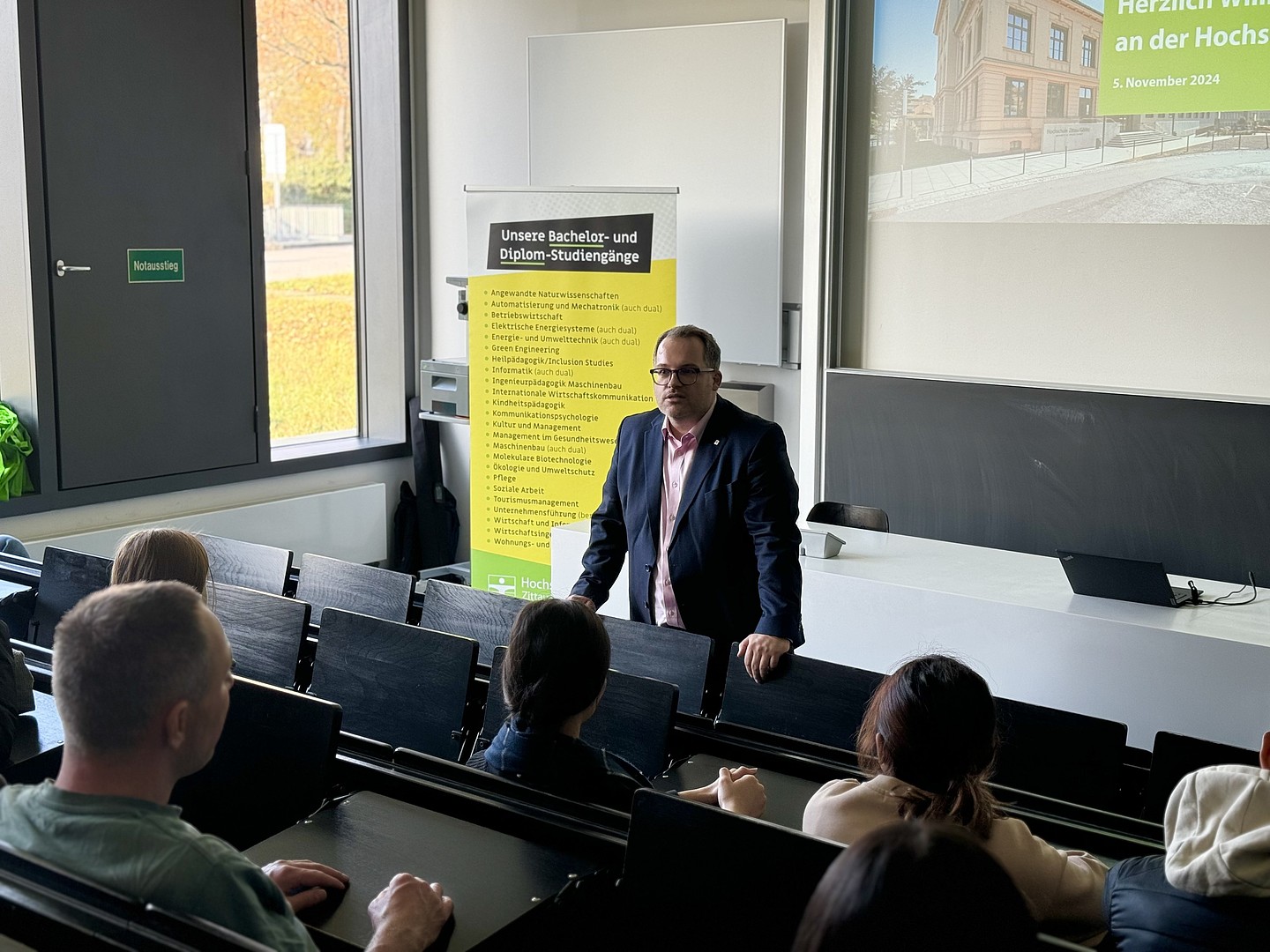
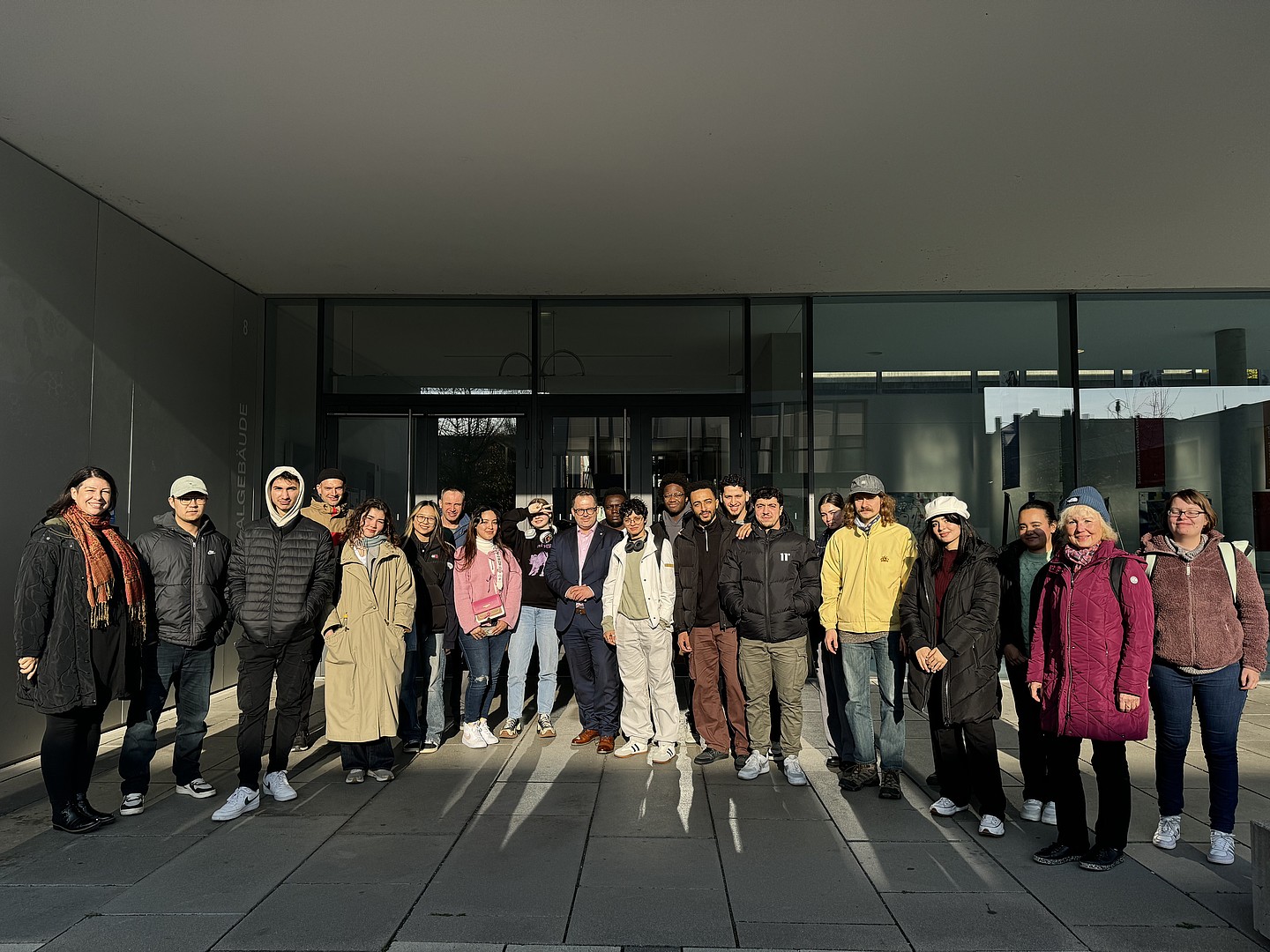
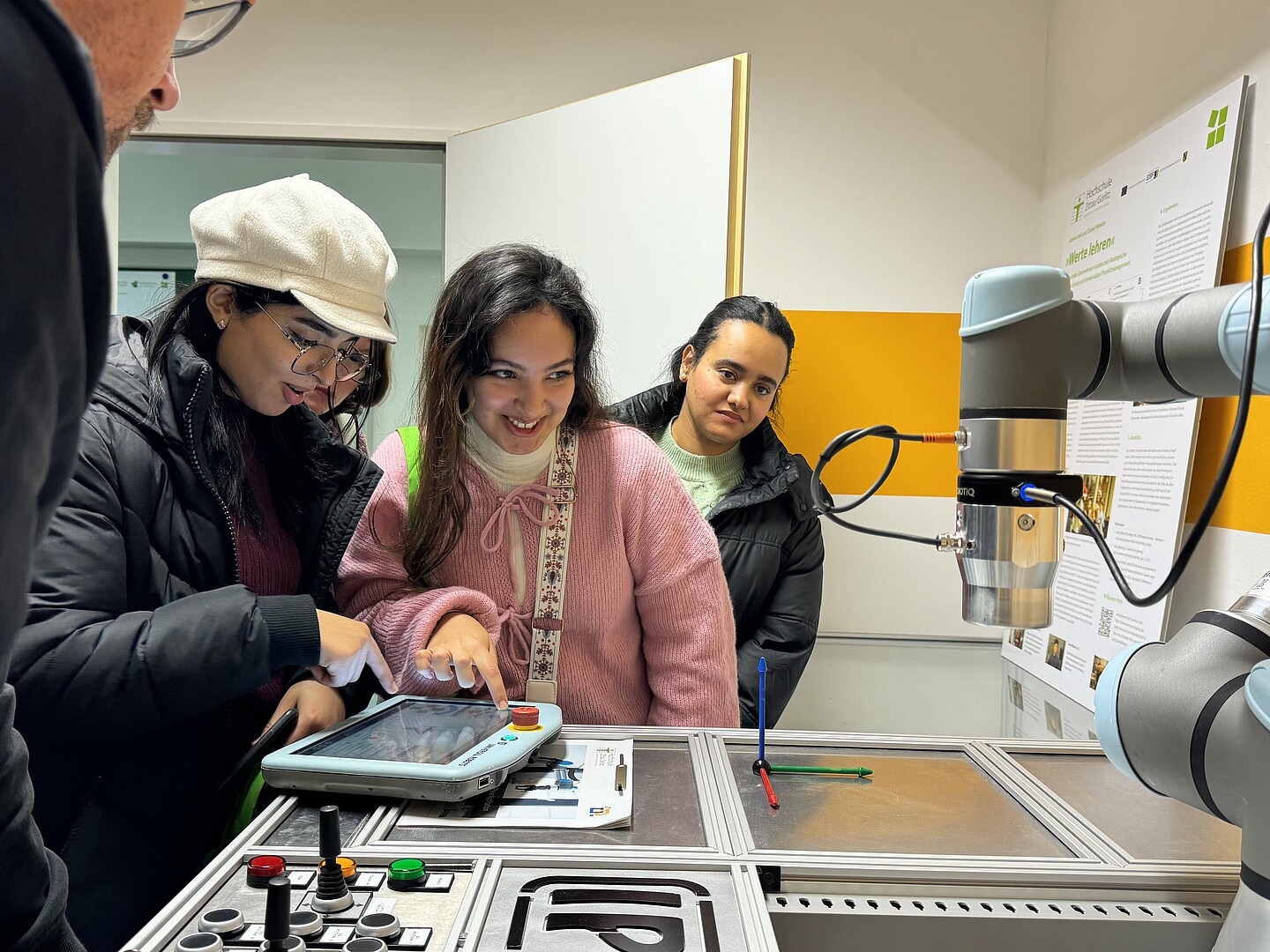
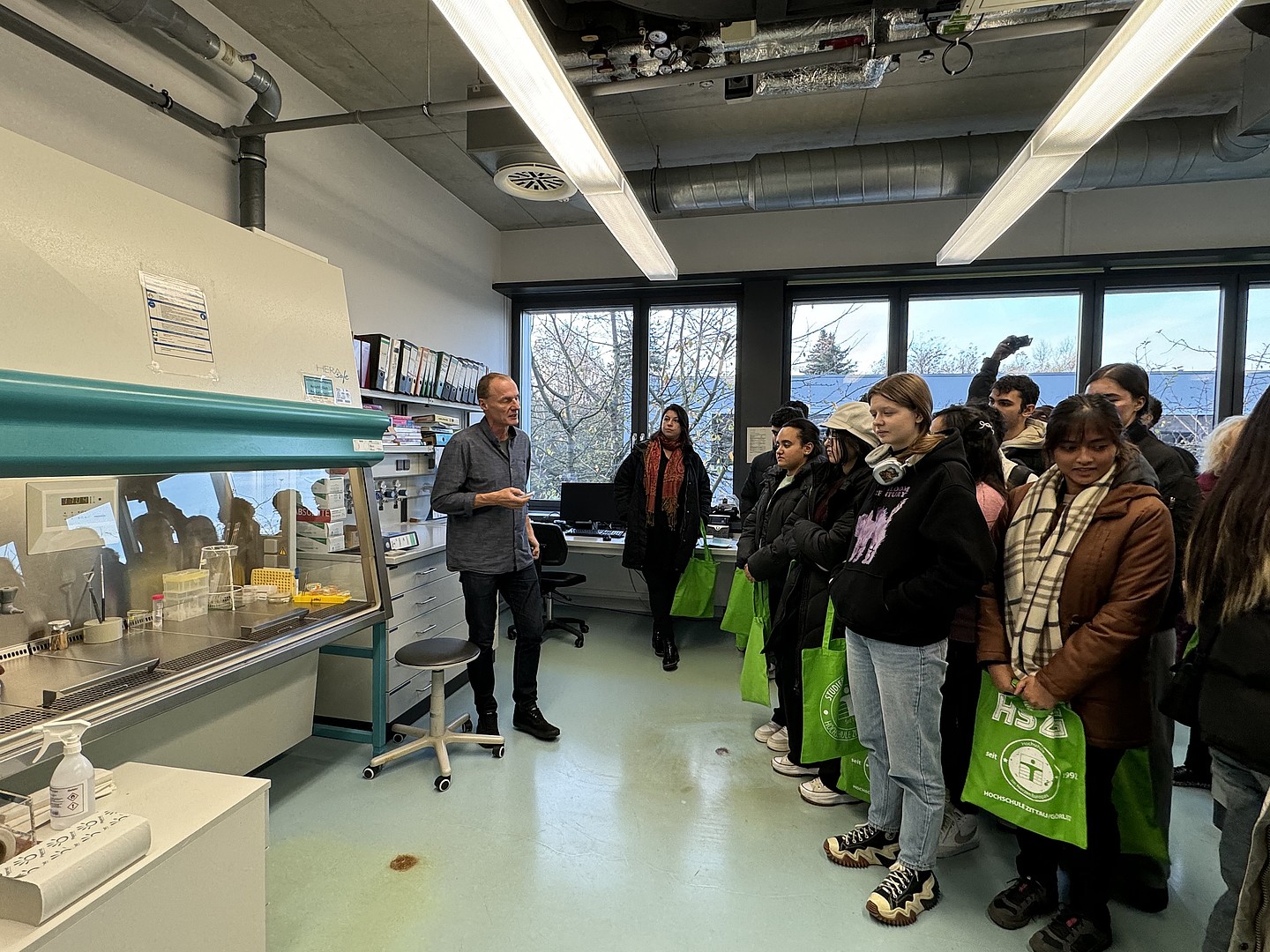
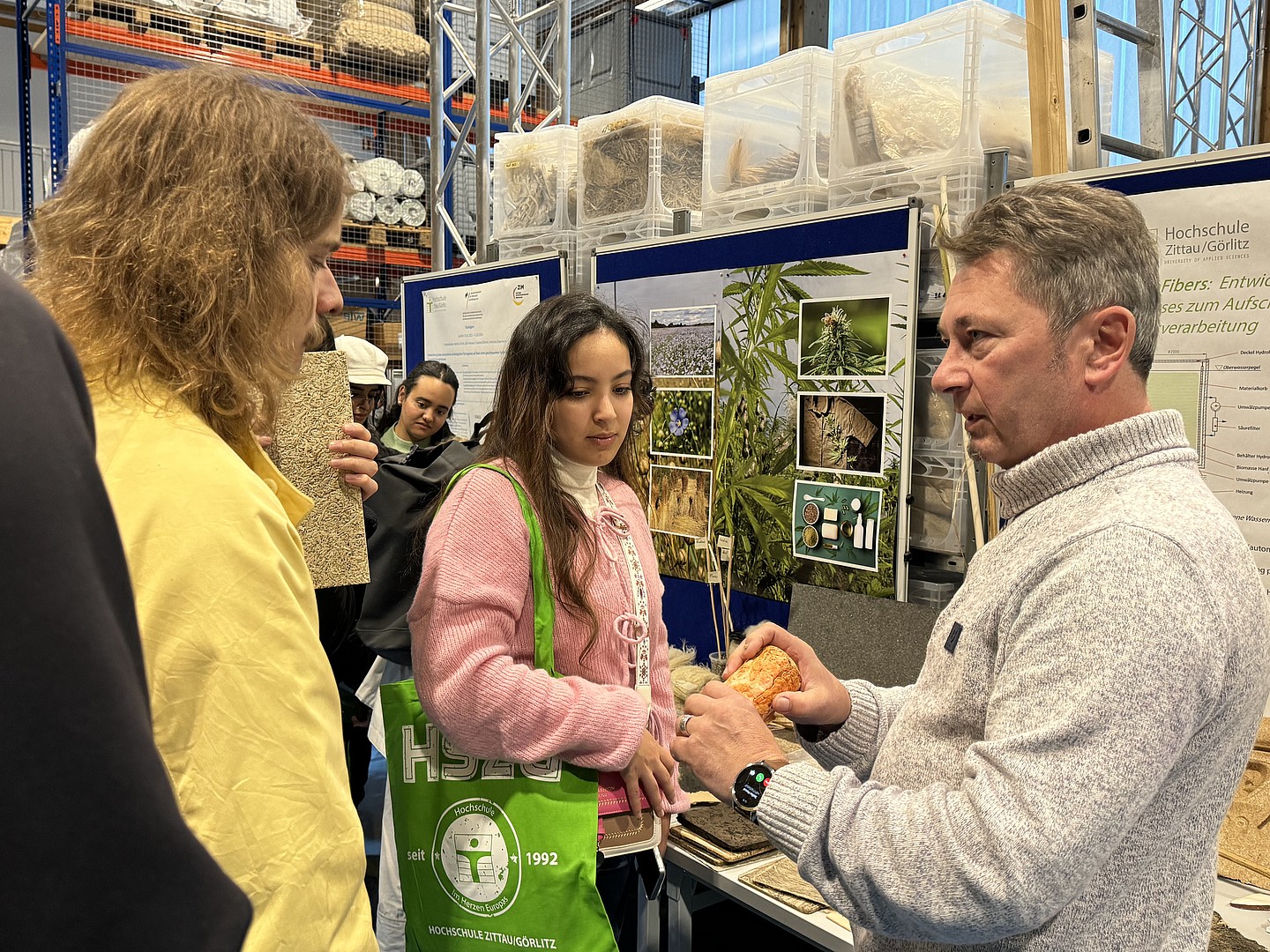
On November 5 and 6, 2024, the HSZG welcomed students from the Rahn Studienkolleg in Leipzig. The international guests traveled from Leipzig to get to know the university and the region. The guests received comprehensive information about studying at the HSZG. The visit began with a campus tour and lab tours, which gave the students a closer look at the HSZG’s modern facilities and technical equipment. In the evening, they were invited to a welcome party—the International Evening—at the Dezi-Bar, where the Rector and the Vice President for Education and International Affairs, together with the students, international students, and international staff members of HSZG, officially opened the current winter semester. In a relaxed atmosphere, participants had the opportunity to strike up conversations with one another and gain initial insights into university life. On the second day, the focus was on lab practicals and workshops. In small groups, the college students exchanged ideas with HSZG faculty and students and learned about the university’s individualized support structure.
A key component of the action plan is providing international students with career prospects. Particular emphasis is placed on specifically preparing students for integration into the Saxon job market. To this end, numerous events have already been organized to support this goal.
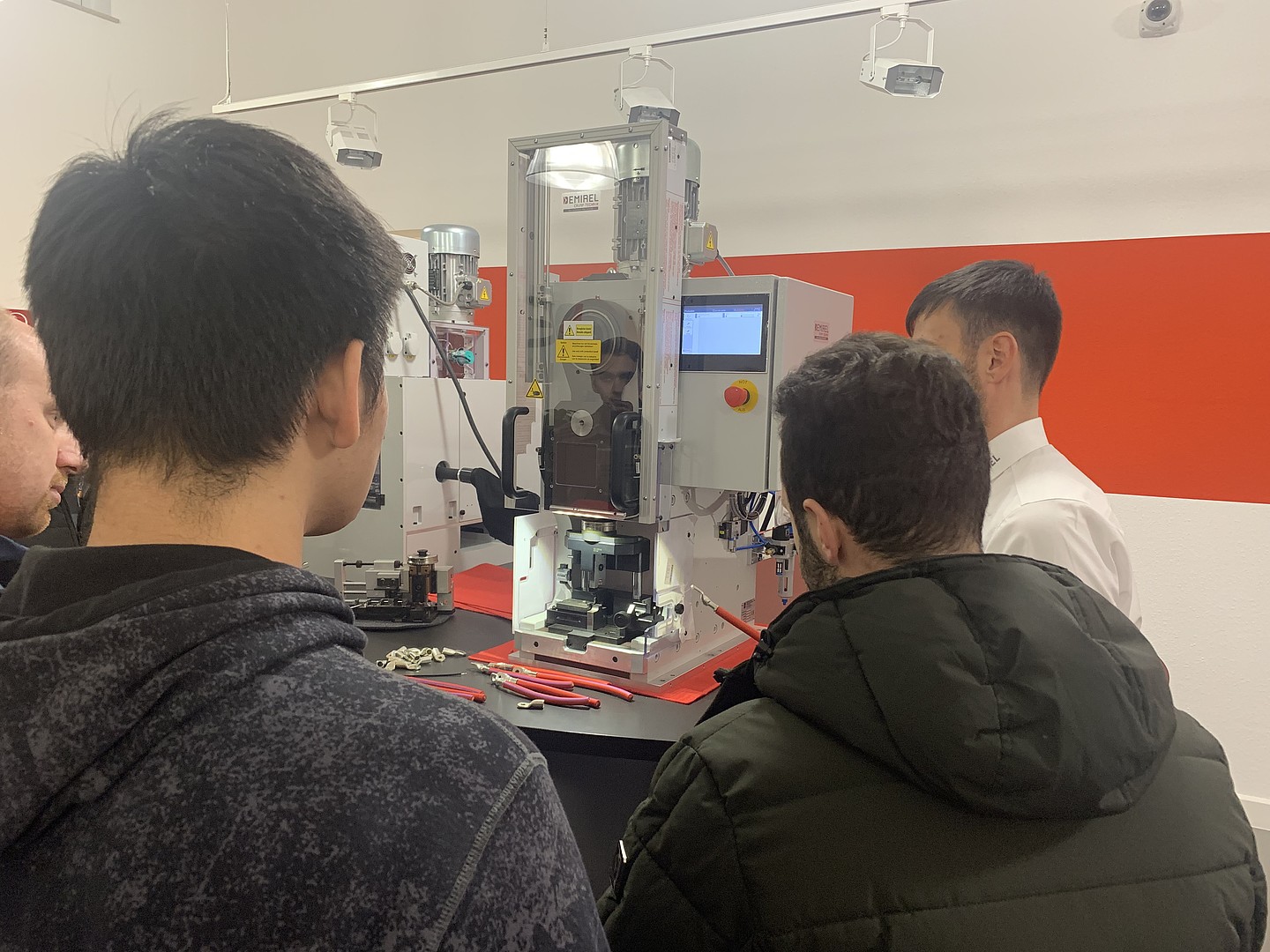
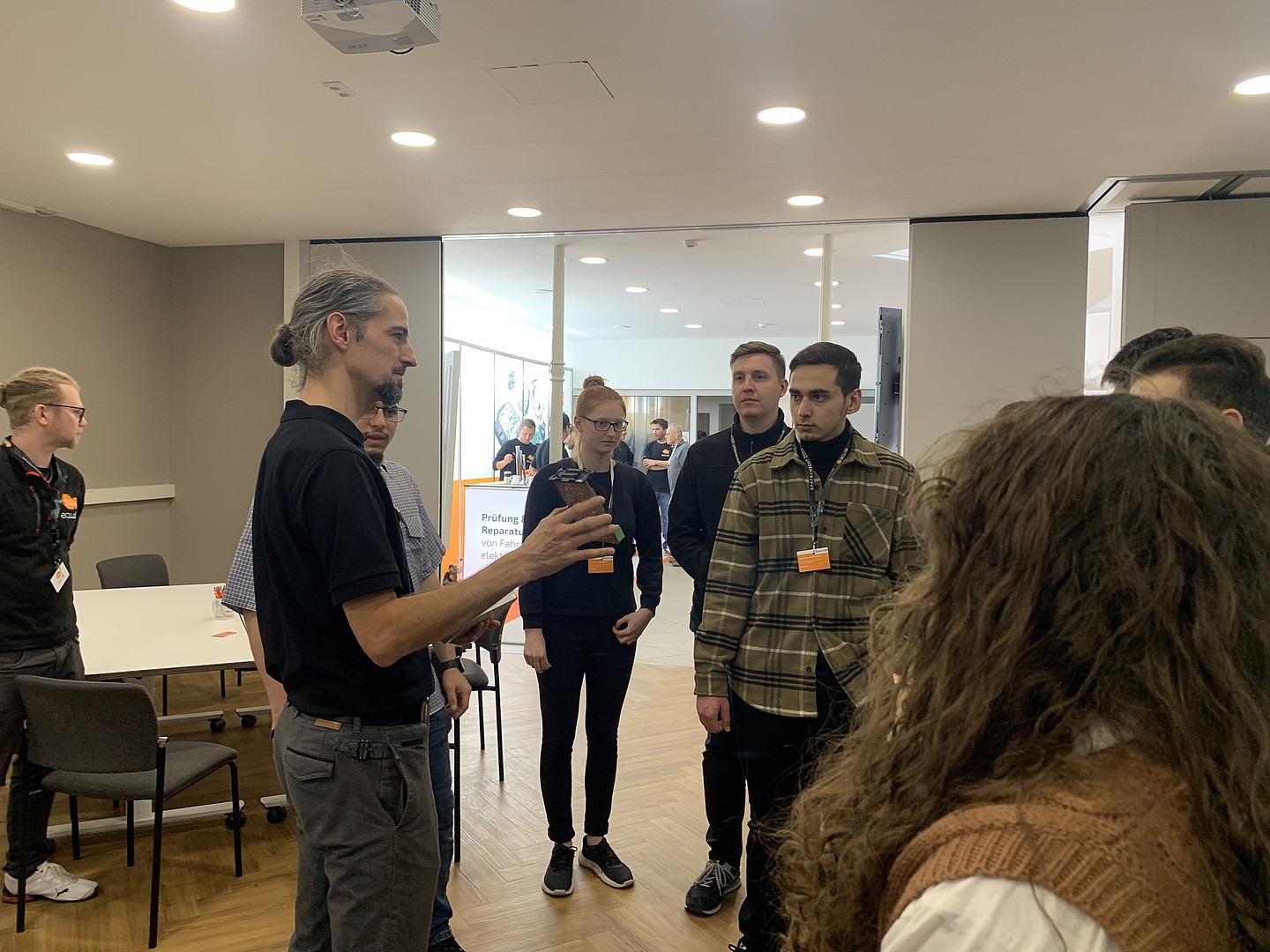
On November 8, 2024, the HSZG Skilled Workforce Initiative organized a joint visit to the Spätschicht facility in Zittau. Numerous companies from the region opened their doors and offered the international students tours of their facilities as well as demonstrations. Knowledgeable representatives were on hand to answer questions about part-time student jobs, internship opportunities, and career entry options after graduation. The exchange was enriching and provided the students with valuable information and practical tips. Particularly encouraging was the enthusiasm of the international students, who took advantage of the opportunity to get to know the regional companies up close.
In addition, the Zittau/Görlitz University of Applied Sciences organized company tours at regional firms such as Glaubitz GmbH & Co. KG in Zittau and V.D. Ledermann & Co. GmbH in Bautzen to give students a better understanding of career prospects in the region.
Future events with local companies are planned at HSZG, such as “Companies Introduce Themselves.” During these events, companies will present their goals, achievements, and strategies, highlight entry-level career opportunities for students, and introduce exciting internship and part-time job opportunities.
“International students who integrate into our region as future professionals are a valuable asset. Their professional expertise, combined with cultural diversity, not only plays a key role in ensuring a supply of skilled workers in our region but also enhances social and regional prosperity. It is therefore of great importance to highlight the career opportunities and prospects for international students in our region and to integrate them into the region’s workforce right from the start of their studies. The gratitude and joy expressed by students and fellows for the support they receive in their professional integration, as well as the positive response from regional companies, give me confidence in the future of our region—a future that will be shaped by international and cultural diversity as well as dynamic economic growth.” - Inna Hauf, Skilled Workforce Initiative within the Prorectorate for Education and International Affairs.
”

The HSZG also offers a wide range of non-academic leisure activities that help international students to integrate socially and regionally.
The newly launched International Campus Café on the Görlitz campus offers an exciting experience—a place where students can learn about new cultures and languages in a relaxed atmosphere while improving their language skills along the way. In addition, students from other countries receive valuable support in dealing with the challenges of everyday student life. Whether international students or locals—anyone interested in intercultural exchange is warmly welcome here. All participants need to bring is a cup for coffee and a plate for cake. Everything else is provided—and a listening ear is guaranteed. The International Campus Café has become a staple and is organized with great dedication by students every two weeks on the Görlitz campus.
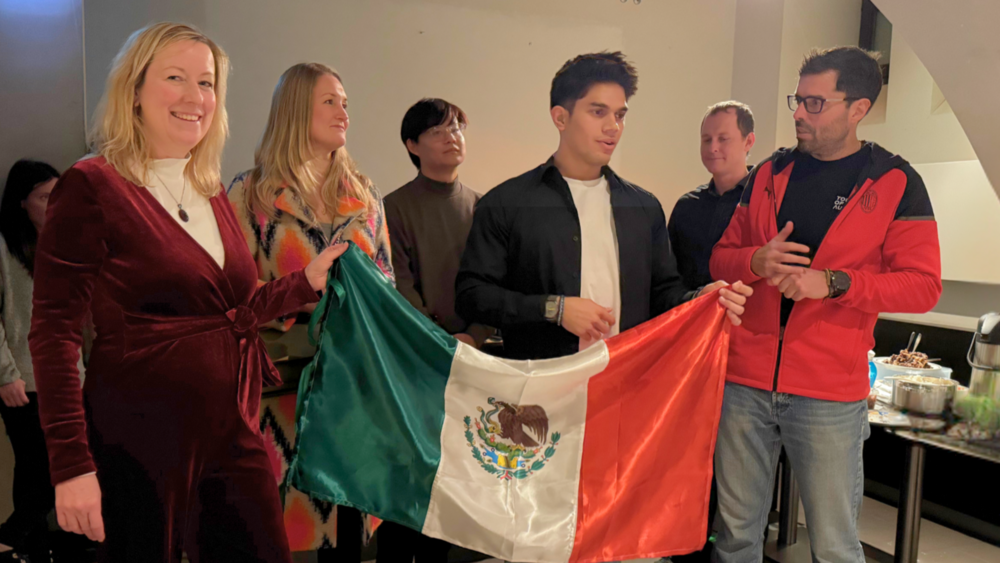
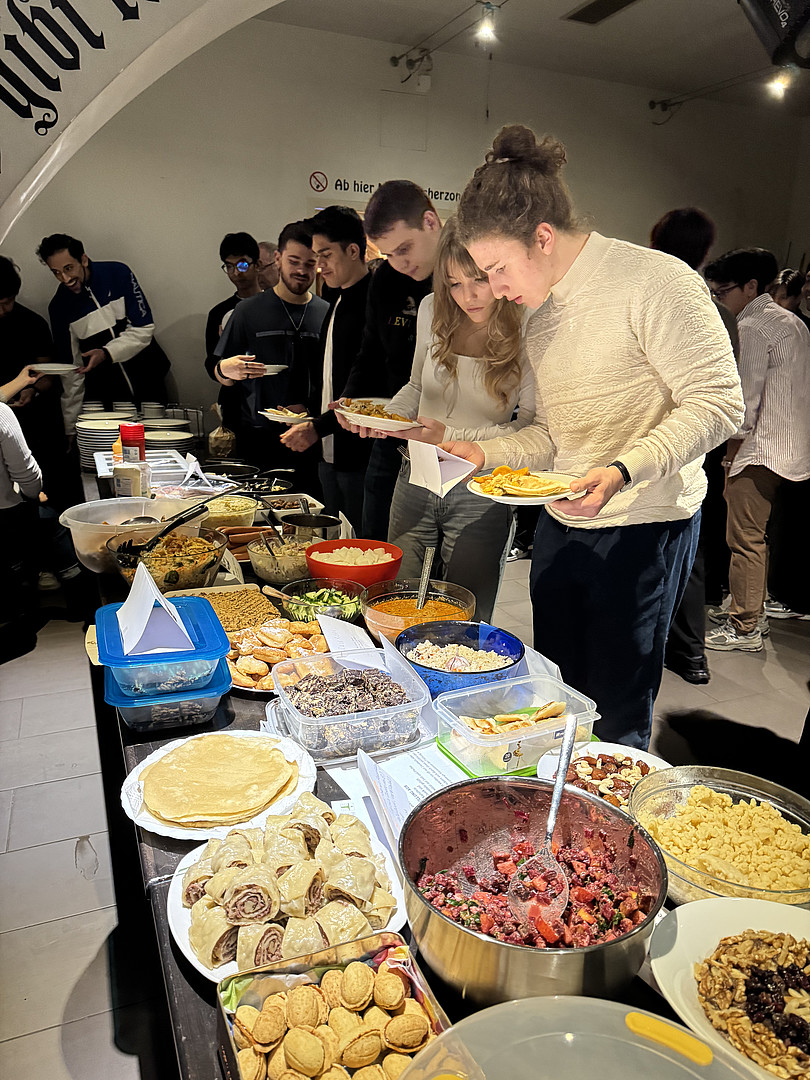
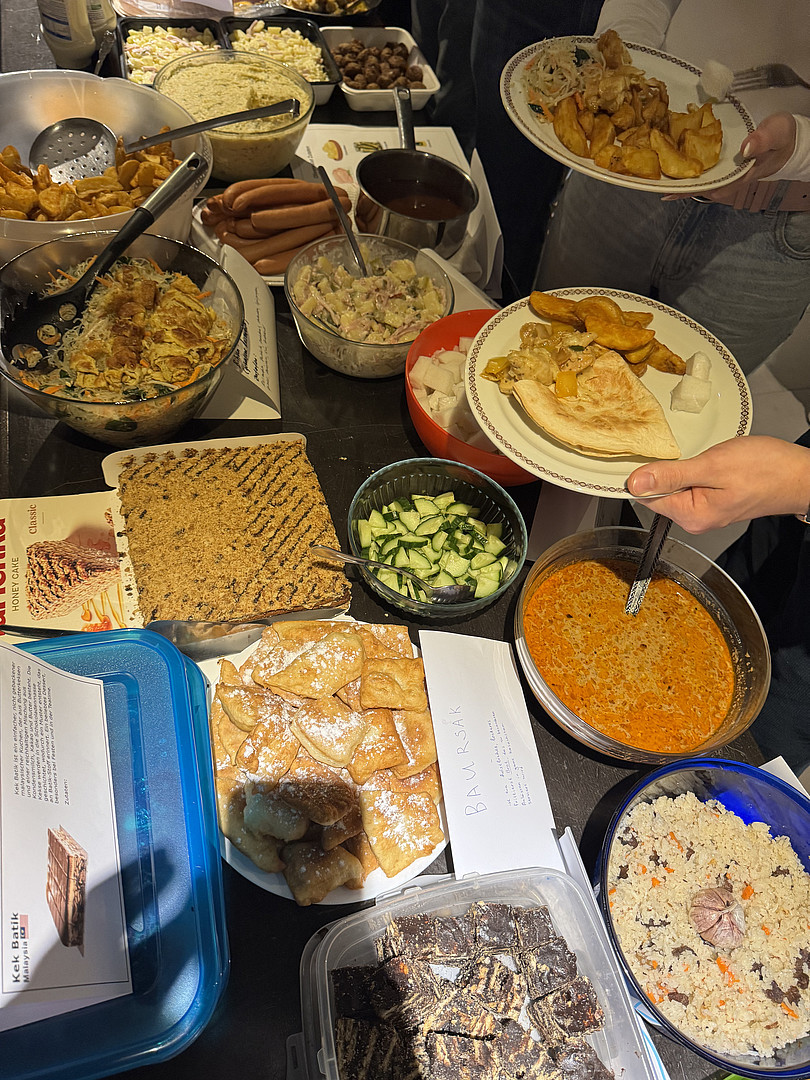
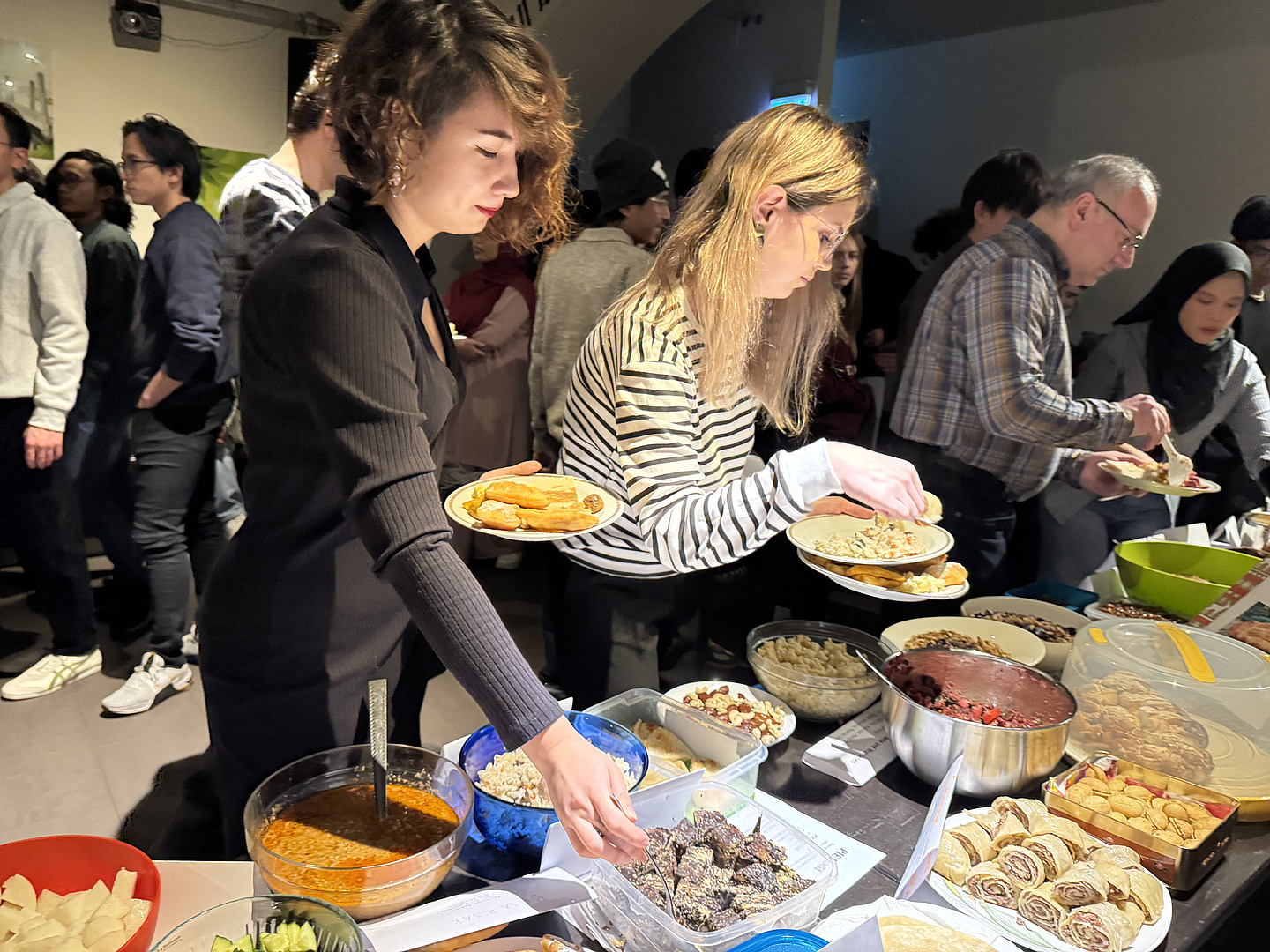
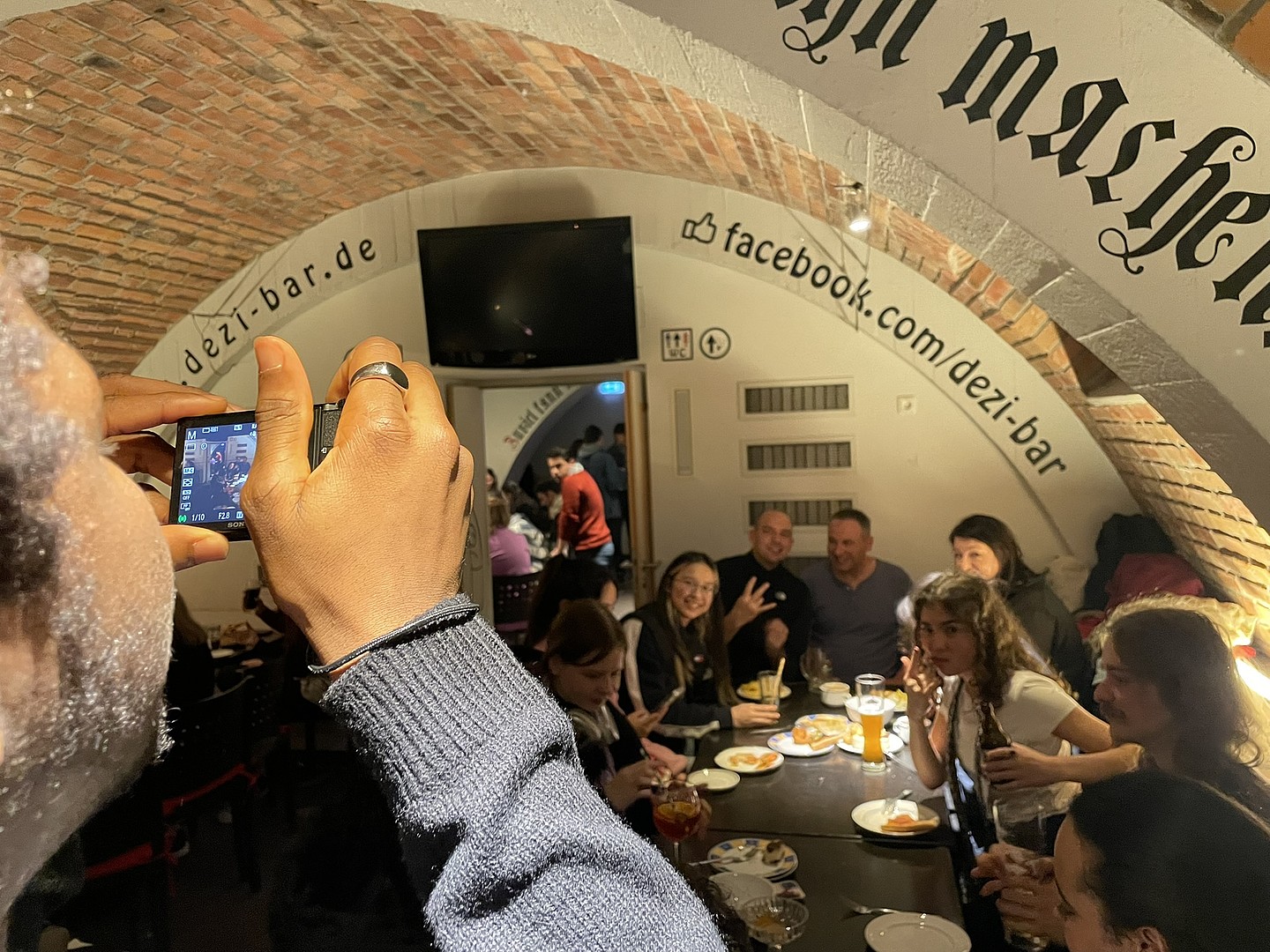
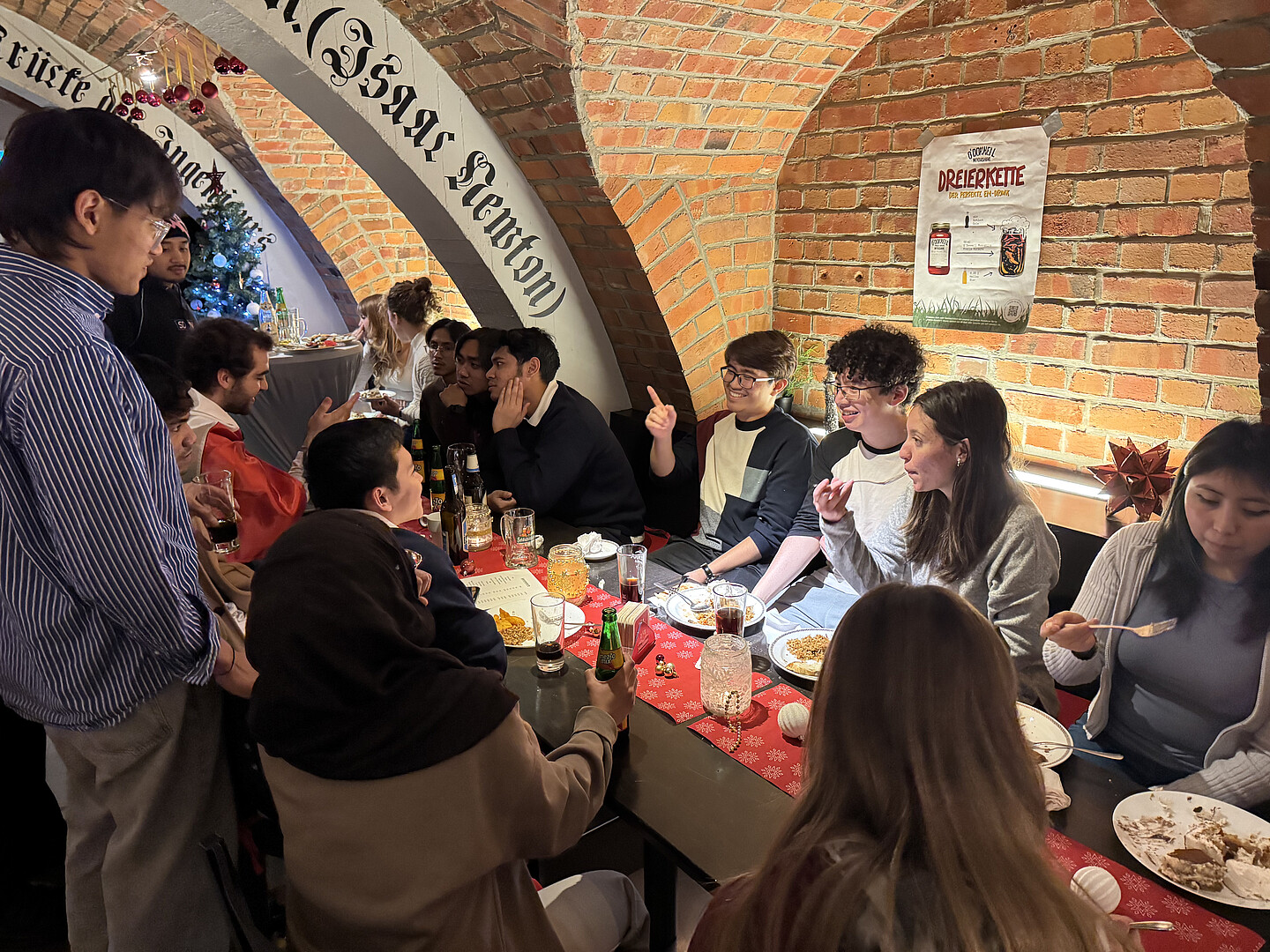
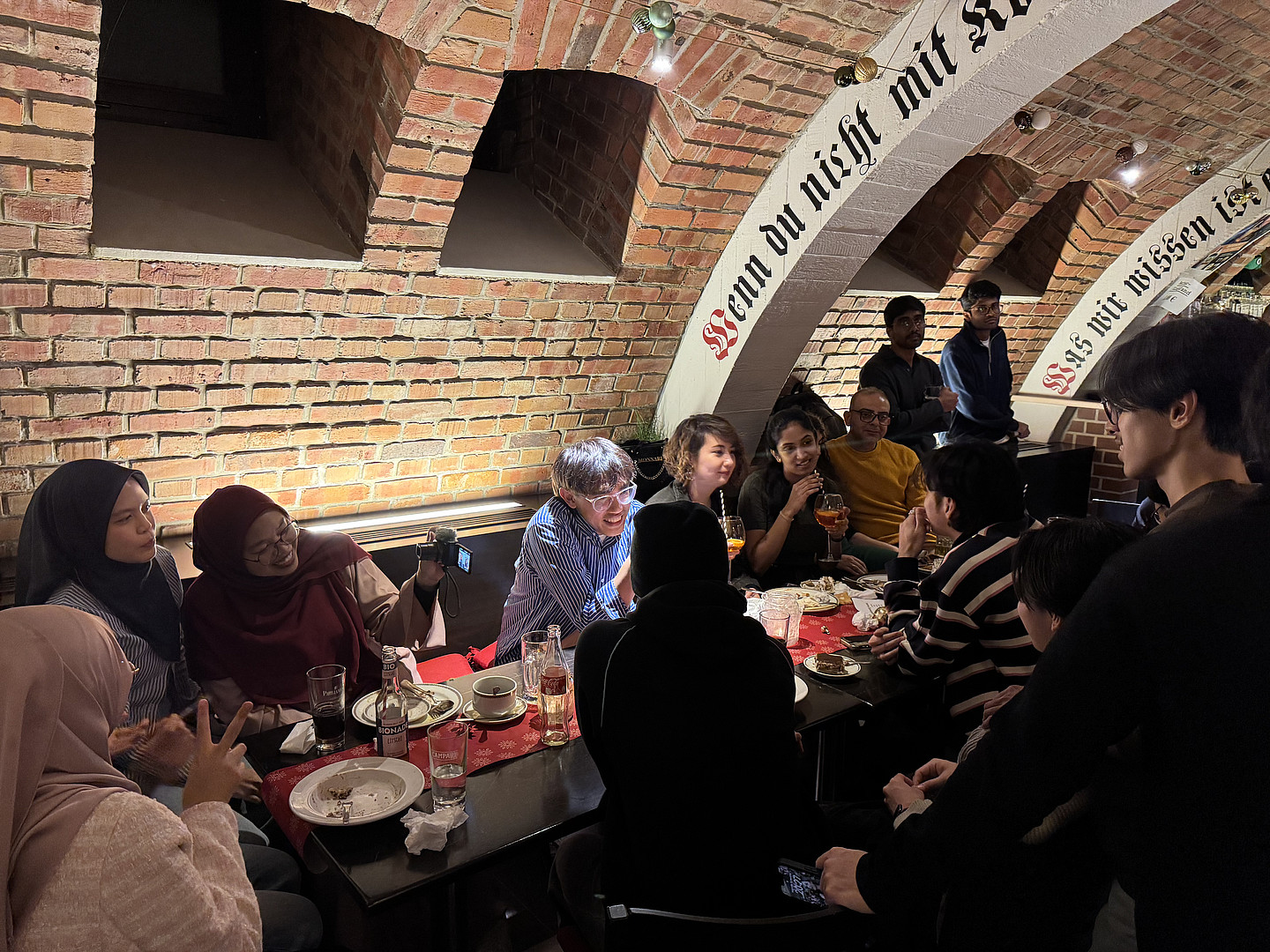
As the grand finale of the year, the International Dinner took place on December 18, 2024, at the DeZi Bar—one of the most enjoyable events ever offered at HSZG. Approximately 80 students from over 10 different countries (e.g., Mexico, Kazakhstan, Malaysia, India, China, Ukraine, Russia, Poland, Syria, Indonesia, Germany) as well as university staff prepared delicious dishes from their home countries and invited everyone to sample these special delicacies. A large table was set with culinary specialties from around the world, allowing participants to embark on a culinary journey around the globe. Students from the Zittau and Görlitz campuses came together in a relaxed atmosphere, introduced themselves, and shared how they came to our region and what they particularly appreciate about it. Following the feast, a raffle added even more excitement. The students not only had a lot of fun but also learned about new cultures and celebrated their culinary traditions together.
“Working on the internationalization of our university has been a profoundly enriching personal experience for me and a milestone for the entire university. It has opened up new horizons for all of us—the students, the university, and myself. Initiatives such as the Campus Café, the Welcome Party, and the International Dinner have impressively demonstrated just how inspiring the coming together of cultures, tastes, ideas, and languages can be. When we’re united around a table, differences fade away, and a vibrant sense of community, mutual respect, and belonging emerges. These moments of inclusion are at the heart of our international exchange.” – Dr. Cristiano Marcellino, University Language Centre and Skilled Workforce Initiative within the Prorectorate for Education and International Affairs.
”

Leisure activities, such as hikes in the Zittau Mountains, bowling evenings, visits to the theater or ice skating, complement the HSZG's offerings and make a significant contribution to promoting the social and regional integration of our international students. These shared experiences enable them to get to know the region better and feel welcome and integrated in their new environment.
In August 2024, the first report was submitted to the SMWK, in which the internationalization plan and the planned measures were presented. Further reporting on the success of the implemented measures will follow in January 2025. At the same time, a survey of international students will be conducted to determine their wishes, ideas and needs. Future plans and measures will be optimized on the basis of these findings. In addition, a joint workshop is being prepared to modernize the internationalization strategy.
We are on a promising path and look forward with confidence to a future that will be characterized by international and cultural diversity as well as dynamic economic growth. The HSZG plays an important role as a driving force and is actively shaping this positive change in our region.
Special thanks go to the HSZG Sponsors' Association, whose financial support made the international events possible.
We would also like to thank all those involved who actively supported the organization and implementation of the events.
Vice President for Education and International Affairs:
Prof. Dr. rer. pol. Sophia Keil
International Office:
Skilled Workforce Initiative:
- M.A. Susanne Fentzel
- Dr. Cristiano Marcellino
- Inna Hauf, Diplom in Business Administration (University of Applied Sciences)
KIA International:
Your contact persons

1st floor

First floor